Understanding the Lifespan of Your HVAC Unit: Key Factors and Maintenance Tips
Discover how long your HVAC unit can last and learn essential maintenance tips to extend its lifespan and efficiency.
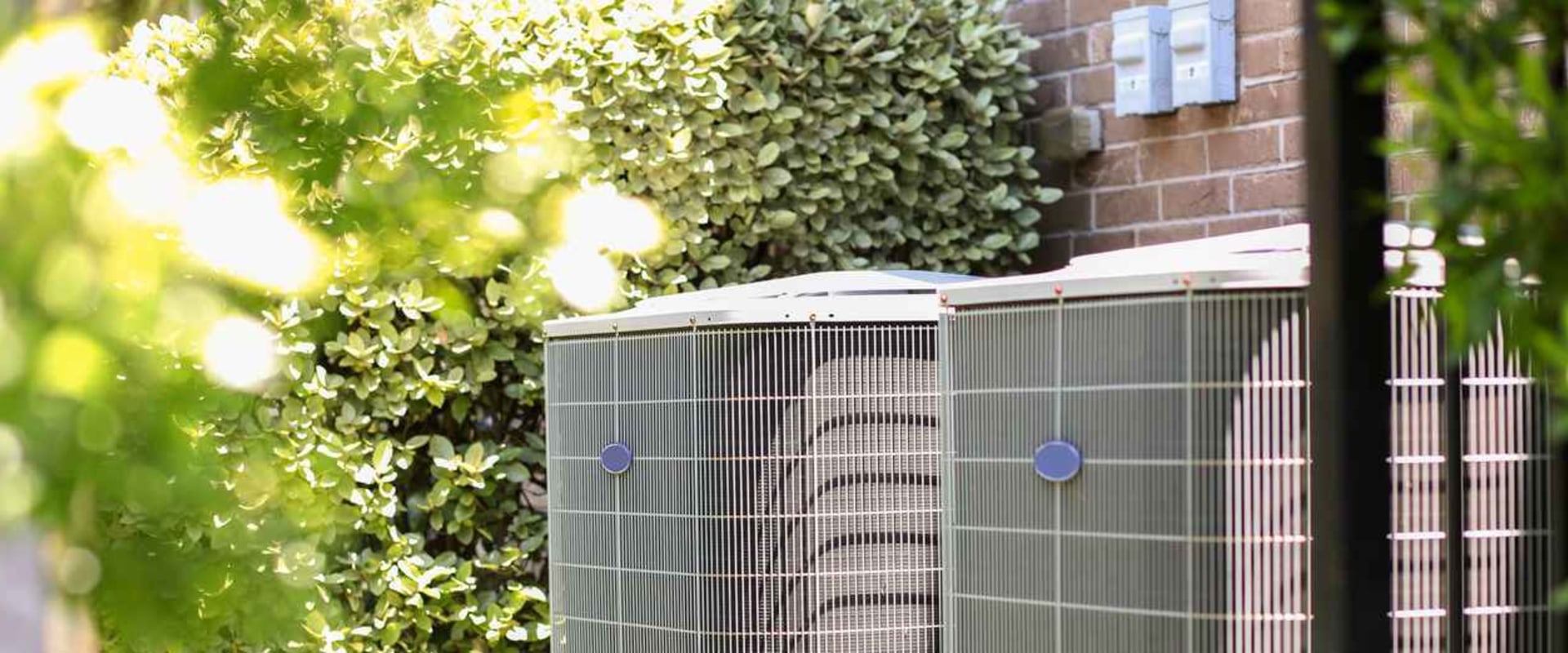
Understanding the lifespan of your HVAC unit is crucial for homeowners who want to maintain a comfortable living environment while managing energy costs. An HVAC system is not just a luxury; it is an essential component of your home that regulates temperature and air quality. Knowing how long your system can last helps you plan for future expenses, including air conditioner repair and potential replacements. The average lifespan of HVAC units varies significantly, influenced by factors such as usage, maintenance, and the quality of installation. Regular maintenance plays a pivotal role in extending the life of your HVAC system.
Just like any other mechanical system, HVAC units require periodic check-ups to ensure they operate efficiently. Neglecting routine maintenance can lead to decreased performance, higher energy bills, and ultimately, premature failure of the unit. Homeowners should be proactive in scheduling annual inspections and addressing minor repairs before they escalate into major issues. In this article, we will delve deeper into the various factors that affect the longevity of HVAC systems, including the importance of timely air conditioner repair, the impact of environmental conditions, and how proper installation can make a significant difference. By understanding these elements, you can make informed decisions about your HVAC system, ensuring it serves you well for years to come.
Average Lifespan of HVAC Units
Understanding the average lifespan of HVAC units is crucial for homeowners looking to maintain their comfort and budget.Different components of an HVAC system have varying lifespans, influenced by factors such as usage, maintenance, and environmental conditions. Here’s a breakdown of what you can typically expect:
- Air Conditioners: The average lifespan of an air conditioning unit ranges from 10 to 15 years. Factors such as the quality of installation, frequency of use, and regular maintenance can significantly impact this duration. Units that are well-maintained often last longer, while those that are neglected may fail prematurely.
- Furnaces: Furnaces generally have a longer lifespan compared to air conditioners, averaging between 15 to 20 years.
Regular inspections and timely repairs can help extend the life of your furnace. Homeowners should also consider the type of fuel used; for instance, gas furnaces may have different longevity compared to electric models.
- Heat Pumps: Heat pumps serve dual purposes—heating in winter and cooling in summer. Their average lifespan is about 10 to 15 years, similar to air conditioners. Proper maintenance is essential for heat pumps, especially since they operate year-round.
- Ductless Mini-Splits: These systems typically last around 15 to 20 years.
They are known for their energy efficiency and flexibility in installation, making them a popular choice for many homeowners.
Factors Affecting HVAC Lifespan
The lifespan of an HVAC unit is influenced by a multitude of factors that can significantly affect its performance and longevity.Understanding these factors is crucial for homeowners who want to maximize the efficiency and lifespan of their heating and cooling systems.
1.Usage Patterns
The frequency and manner in which an HVAC system is used play a pivotal role in determining its lifespan. For instance, units that are used year-round, especially in extreme climates, may experience more wear and tear compared to those that are only used seasonally. Additionally, setting the thermostat to extreme temperatures can put additional strain on the system, leading to potential breakdowns and the need for air conditioner repair.
2.Environmental Conditions
The environment in which the HVAC unit operates can also impact its durability. Units located in areas with high humidity, dust, or pollution may require more frequent maintenance and repairs.
For example, excessive dust can clog filters and coils, reducing efficiency and forcing the system to work harder. This not only shortens the lifespan but can also lead to higher energy bills.
3.Maintenance Practices
Regular maintenance is perhaps the most critical factor affecting the lifespan of an HVAC unit. Homeowners who schedule annual inspections and routine maintenance are likely to see their systems last longer than those who neglect these practices. Simple tasks such as changing filters regularly, cleaning coils, and ensuring proper airflow can prevent many common issues that lead to costly air conditioner repairs.
Furthermore, addressing minor problems early on can prevent them from escalating into major repairs that could compromise the entire system.
4.Quality of Installation
The initial installation quality of an HVAC system cannot be overlooked. A poorly installed unit may not operate efficiently, leading to premature wear and tear. It’s essential to hire qualified professionals for installation to ensure that all components are set up correctly and that the system is appropriately sized for the home.
5.Age of the Unit
As with any appliance, age is a significant factor in determining how long an HVAC unit will last. Most systems have a typical lifespan ranging from 10 to 25 years, depending on their type and usage.
As units age, they become more susceptible to breakdowns and inefficiencies, making regular inspections even more critical. By understanding these factors—usage patterns, environmental conditions, maintenance practices, installation quality, and age—homeowners can make informed decisions about their HVAC systems. Taking proactive steps can not only extend the lifespan of the unit but also enhance its efficiency and reliability.
Signs Your HVAC Unit is Aging
As your HVAC unit ages, it becomes increasingly important to recognize the signs that indicate it may be nearing the end of its lifespan. Early detection of these issues can save you from unexpected breakdowns and costly repairs. Here are some common signs that your HVAC system is showing its age:- Increased Energy Bills: One of the first indicators of an aging HVAC unit is a noticeable spike in your energy bills.
If your system is working harder to maintain the desired temperature, it may be time to consider air conditioner repair or replacement.
- Frequent Repairs: If you find yourself calling for repairs more often than usual, this could be a sign that your HVAC unit is struggling. Frequent breakdowns not only indicate wear and tear but can also lead to higher repair costs over time.
- Uneven Temperature Distribution: An efficient HVAC system should provide consistent heating or cooling throughout your home. If you notice hot or cold spots in different rooms, it may suggest that your unit is losing its ability to effectively distribute air.
- Strange Noises: Unusual sounds such as grinding, squeaking, or rattling can indicate mechanical issues within your HVAC system. These noises often signal that components are wearing out and may require immediate attention.
- Age of the Unit: The average lifespan of an HVAC system typically ranges from 10 to 25 years, depending on the type and maintenance history.
If your unit is approaching or exceeding this age range, it’s wise to start planning for a replacement.
- Increased Humidity Levels: An effective air conditioning system should help control humidity levels in your home. If you notice excessive humidity or condensation, it may indicate that your unit is no longer functioning properly.
The Importance of Regular Maintenance
Regular maintenance of your HVAC system is not just a recommendation; it is a necessity for ensuring the longevity and efficiency of your unit.Just like any other mechanical system, HVAC units require consistent care to operate at their best. Neglecting maintenance can lead to a host of problems, including decreased efficiency, higher energy bills, and ultimately, the need for costly air conditioner repair.
One of the primary benefits of regular HVAC maintenance is the prevention of major issues before they arise. During routine inspections, technicians can identify potential problems such as worn-out components, refrigerant leaks, or electrical issues. Addressing these concerns early can save homeowners from unexpected breakdowns and expensive repairs down the line.
Recommended Maintenance Practices
- Change Filters Regularly: One of the simplest yet most effective maintenance tasks is changing the air filters.
Clogged filters restrict airflow, making your system work harder and less efficiently. It’s advisable to check and replace filters every 1-3 months, depending on usage.
- Clean Coils: Both the evaporator and condenser coils should be cleaned regularly to ensure optimal heat exchange. Dirty coils can lead to overheating and reduced efficiency.
- Inspect Ductwork: Leaks in ductwork can significantly impact your HVAC system's performance. Regular inspections can help identify and seal any leaks, improving overall efficiency.
- Check Thermostat Settings: Ensuring that your thermostat is functioning correctly can help maintain consistent temperatures throughout your home.
Consider upgrading to a programmable thermostat for added convenience.
- Schedule Professional Inspections: At least once a year, have a qualified technician perform a comprehensive inspection of your HVAC system. They can provide insights into any necessary repairs or adjustments needed to keep your unit running smoothly.
By prioritizing these practices, homeowners can enjoy a comfortable living environment while extending the lifespan of their HVAC units and minimizing the need for frequent air conditioner repair.
Cost Considerations: Repair vs. Replacement
When it comes to managing your HVAC system, one of the most significant decisions you will face is whether to invest in air conditioner repair or to opt for a complete replacement. Understanding the cost implications of each option is crucial for making a financially sound decision.Repair Costs
- The average cost of HVAC repairs can vary widely, typically ranging from $150 to $1,500 depending on the issue at hand. Common repairs include replacing faulty thermostats, fixing refrigerant leaks, or addressing electrical issues.
- As your HVAC unit ages, it may require more frequent repairs.
This can lead to escalating costs that may not be sustainable in the long run.
- Consider the age of your unit when evaluating repair costs. If your air conditioner is over 10 years old and requires significant repairs, it may be more cost-effective to replace it rather than continue pouring money into repairs.
Replacement Costs
- The cost of replacing an HVAC system can range from $3,000 to $7,000 or more, depending on the size of your home and the type of system you choose. While this is a substantial upfront investment, a new system can offer improved energy efficiency and lower utility bills.
- Newer models often come with warranties that cover parts and labor for several years, providing peace of mind and potentially saving you money on future repairs.
- Additionally, many utility companies offer rebates or incentives for upgrading to energy-efficient systems, which can help offset the initial costs.
Making the Decision
To determine whether to repair or replace your HVAC unit, consider the following:
- Age of the Unit: If your system is nearing the end of its expected lifespan (typically 10-15 years for air conditioners), replacement may be wise.
- Frequency of Repairs: If you find yourself calling for repairs multiple times a year, it may be time to consider a new unit.
- Energy Efficiency: Newer systems are designed to be more energy-efficient, which can lead to significant savings on your energy bills over time.
Energy Efficiency and Its Impact on Lifespan
Energy efficiency plays a crucial role in determining the performance and longevity of your HVAC unit. When an HVAC system operates efficiently, it not only consumes less energy but also experiences less wear and tear, ultimately extending its lifespan.Understanding how energy efficiency impacts your HVAC system can help you make informed decisions about maintenance and upgrades. One of the primary factors affecting energy efficiency is the age and condition of your HVAC unit. Older systems tend to be less efficient due to outdated technology and wear on components. For instance, a traditional air conditioning unit may have a Seasonal Energy Efficiency Ratio (SEER) rating of 10 or lower, while newer models can achieve ratings of 16 or higher. This significant difference means that upgrading to a more efficient model can lead to substantial energy savings and reduced operational strain on the system. Moreover, the efficiency of your HVAC system is directly linked to how well your home is insulated and sealed.
Poor insulation allows conditioned air to escape, forcing your HVAC unit to work harder to maintain the desired temperature. This increased workload can lead to premature wear on components, resulting in more frequent repairs and a shorter lifespan. Therefore, ensuring that your home is properly insulated and sealed is essential for maximizing energy efficiency.
Benefits of Energy Audits
Conducting an energy audit is an effective way to identify areas where your home may be losing energy. During an audit, a qualified technician will assess your HVAC system's performance, insulation levels, and overall energy usage.The benefits of an energy audit include:
- Identifying inefficiencies: An audit can pinpoint specific issues that may be causing your HVAC system to operate inefficiently.
- Recommendations for improvements: Technicians can suggest upgrades or modifications that enhance efficiency, such as better insulation or sealing leaks.
- Cost savings: By improving energy efficiency, you can lower your utility bills and reduce the frequency of repairs.
- Increased comfort: A more efficient HVAC system maintains consistent temperatures throughout your home, enhancing overall comfort.
Choosing a Qualified HVAC Contractor
When it comes to maintaining the efficiency and longevity of your HVAC system, selecting a qualified HVAC contractor is crucial. The right contractor not only ensures proper installation but also provides ongoing maintenance and timely air conditioner repair services. Here are some essential tips to help you choose the best HVAC contractor for your needs.- Check Credentials: Always verify that the contractor holds the necessary licenses and certifications required by your state or local regulations.
This ensures they have met specific training and competency standards.
- Experience Matters: Look for contractors with a proven track record in the industry. Experienced technicians are more likely to diagnose issues accurately and provide effective solutions.
- Read Reviews: Customer feedback can provide valuable insights into a contractor's reliability and quality of work. Check online reviews on platforms like Google, Yelp, or the Better Business Bureau to gauge their reputation.
- Ask for References: A reputable contractor should be willing to provide references from previous clients. Contact these references to inquire about their experiences with the contractor's services.
- Get Multiple Quotes: Don’t settle for the first estimate you receive.
Obtain quotes from several contractors to compare pricing, services offered, and warranties. This will help you make an informed decision.
- Inquire About Maintenance Plans: Regular maintenance is key to extending the lifespan of your HVAC unit. Ask potential contractors if they offer maintenance plans that include routine inspections and priority service for repairs.
- Evaluate Communication: A good contractor should communicate clearly and promptly. They should be willing to answer your questions and explain their recommendations without using technical jargon.
Remember, investing time in choosing the right professional can save you money in the long run by preventing costly repairs and extending the life of your HVAC unit.
Conclusion: Key Takeaways on HVAC Lifespan and Maintenance
Understanding the lifespan of your HVAC unit is crucial for homeowners looking to maintain comfort and efficiency in their living spaces. Throughout this article, we have explored various factors that influence the longevity of HVAC systems, emphasizing the importance of regular maintenance and timely repairs.Key Takeaways:
- Average Lifespan: Most HVAC units typically last between 10 to 25 years, depending on the type of system and how well it has been maintained.
- Regular Maintenance: Scheduling annual maintenance checks can significantly extend the life of your HVAC system. This includes cleaning, inspections, and necessary adjustments to ensure optimal performance.
- Signs of Aging: Homeowners should be vigilant for signs that their HVAC unit may be nearing the end of its lifespan. These signs include increased energy bills, inconsistent temperatures, and unusual noises during operation.
- Cost of Repairs vs.
Replacement:
As HVAC units age, they may require more frequent repairs. It’s essential to weigh the cost of ongoing repairs against the potential benefits of investing in a new, energy-efficient system. - Energy Efficiency: Upgrading to a newer model can not only improve comfort but also reduce energy costs. Many utility companies offer rebates for energy-efficient upgrades, making it a financially sound decision.
- Insulation Matters: Proper insulation and sealing in your home can greatly affect your HVAC system's efficiency and lifespan. A well-insulated home reduces the workload on your HVAC unit, allowing it to function more effectively.
By recognizing the signs of wear and tear and understanding when to seek professional help for air conditioner repair, you can ensure that your home remains comfortable year-round while avoiding costly replacements or extensive repairs down the line.
More articles
When to Replace Your HVAC System: Key Signs and Considerations
Learn the key signs that indicate it's time to replace your HVAC system and how to make informed decisions for your home's comfort.
Understanding the Lifespan of HVAC Systems: Key Factors and Maintenance Tips
Discover how long HVAC systems last and learn essential maintenance tips to extend their lifespan and improve efficiency.
Essential First Steps in HVAC System Diagnostics for Air Conditioner Repair
Learn essential first steps in HVAC diagnostics for effective air conditioner repair. Ensure optimal performance and comfort in your home.
When is the Best Time to Replace Your HVAC System? A Comprehensive Guide
Discover when to replace your HVAC system and learn about signs, costs, and energy efficiency for optimal home comfort.