The Costly Truth About AC Compressor Replacement: Understanding Air Conditioner Repair
Discover the essential facts about AC compressor replacement and air conditioner repair to save money and maintain comfort in your home.
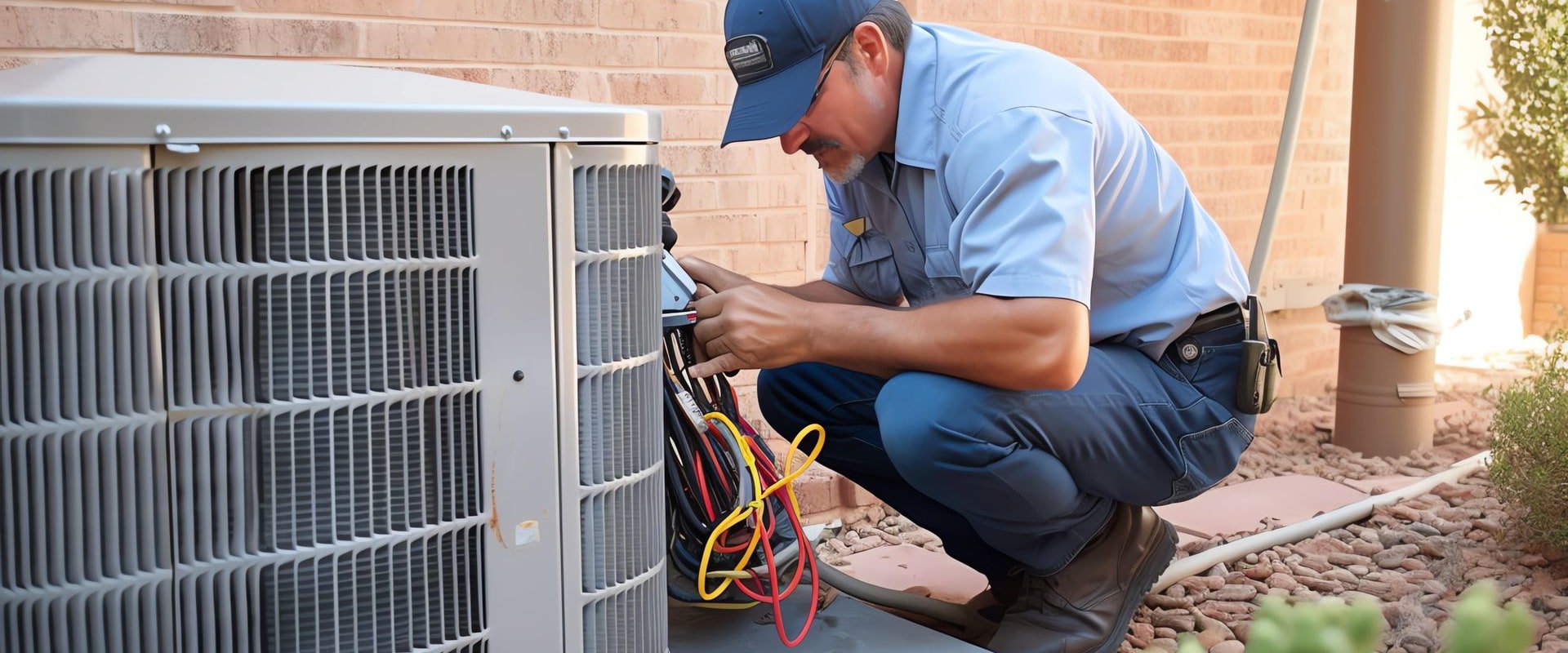
The AC compressor serves as the heart of your air conditioning system, playing a pivotal role in ensuring that your home remains cool and comfortable, especially during the sweltering summer months. This essential component is responsible for circulating refrigerant throughout the system, allowing for the efficient transfer of heat from inside your home to the outside environment. Understanding how the compressor functions and its significance in the overall operation of your air conditioning unit is crucial for homeowners who wish to maintain a comfortable living space. When the air conditioning system is activated, the compressor takes in low-pressure refrigerant gas from the evaporator coil and compresses it into a high-pressure gas. This process not only increases the temperature of the refrigerant but also prepares it for its journey through the condenser coil, where it will release heat and transform back into a liquid state.
This cycle of compression and condensation is vital for cooling indoor air, making the compressor an indispensable part of your air conditioning system. Moreover, a well-functioning compressor contributes significantly to energy efficiency. When this component operates optimally, it ensures that your air conditioning unit uses less energy to achieve the desired cooling effect. Conversely, a malfunctioning compressor can lead to increased energy consumption, resulting in higher utility bills and potential system breakdowns. Therefore, recognizing the importance of regular maintenance and timely repairs can save homeowners from costly replacements and ensure that their air conditioning systems operate smoothly. In summary, understanding the role of the AC compressor is essential for any homeowner looking to maintain their air conditioning system effectively.
By grasping how this critical component works and its impact on overall system performance, you can make informed decisions regarding maintenance and repairs, ultimately enhancing your indoor comfort while avoiding unnecessary expenses.
Signs Your AC Compressor Needs Replacement
Recognizing the signs of a failing AC compressor is crucial for homeowners who want to avoid the hefty costs associated with air conditioner repair. The compressor is a vital component of your air conditioning system, and its failure can lead to a complete breakdown of your unit. Here are some common indicators that your AC compressor may need replacement:- Unusual Noises: If you hear strange sounds such as grinding, squealing, or clanking coming from your AC unit, it could be a sign that the compressor is struggling. These noises often indicate internal damage or wear and tear.
- Inconsistent Cooling: If certain areas of your home are warmer than others or if the air conditioning system fails to cool your space effectively, the compressor may not be functioning properly.
This inconsistency can stem from a failing compressor that cannot circulate refrigerant efficiently.
- Increased Energy Bills: A sudden spike in your energy bills without any changes in usage patterns can indicate that your AC compressor is working harder than it should. A malfunctioning compressor often leads to increased energy consumption as it struggles to maintain the desired temperature.
- Refrigerant Leaks: If you notice any signs of refrigerant leaks around your AC unit, this could point to a failing compressor. Low refrigerant levels can cause the system to overheat and lead to further damage.
- Frequent Cycling: If your air conditioning system frequently turns on and off (short cycling), it may be due to a malfunctioning compressor. This behavior can put additional strain on the unit and lead to premature failure.
- Burning Smell: A burning odor coming from your AC unit is a serious warning sign.
It could indicate electrical issues within the compressor or overheating components, which require immediate attention.
The Cost Breakdown of AC Compressor Replacement
Replacing an AC compressor is a significant investment, and understanding the cost breakdown can help homeowners make informed decisions. The total cost of an AC compressor replacement typically includes several components: parts, labor, refrigerant, and potential system upgrades.1.Parts Cost
- The price of a new compressor can range from $1,200 to $2,500, depending on the brand and model of your air conditioning unit.
- In addition to the compressor itself, other parts may need replacement during the process, such as the accumulator or receiver-drier, which can add another $100 to $300 to your total.
- Don’t forget about the cost of refrigerant.
Depending on the type and amount needed, this can add an additional $100 to $200.
2.Labor Costs
- Labor costs for replacing an AC compressor can vary widely based on your location and the complexity of the job. On average, you can expect to pay between $500 and $1,000 for labor alone.
- Factors such as accessibility of the unit and whether additional repairs are needed can influence labor costs significantly.
3.Additional Expenses
- If your system is older or inefficient, you might consider upgrading other components like the condenser or evaporator coil. This could add anywhere from $1,000 to $3,000 to your overall costs.
- Regular maintenance before a breakdown can help mitigate these costs in the long run by ensuring that all components are functioning optimally.
DIY vs.
Professional AC Compressor Replacement When it comes to replacing an AC compressor, homeowners often face a critical decision: should they attempt a DIY AC repair or hire a professional HVAC technician? Each option has its own set of advantages and disadvantages that can significantly impact both the outcome of the repair and the overall cost.
Pros of DIY AC Compressor Replacement
- Cost Savings: One of the most appealing aspects of a DIY approach is the potential for cost savings. By eliminating labor costs associated with hiring a professional, homeowners can save a significant amount of money.
- Learning Experience: For those who enjoy hands-on projects, replacing an AC compressor can be an educational experience. It provides an opportunity to learn more about how air conditioning systems work and develop valuable skills.
- Control Over the Process: DIY repairs allow homeowners to control every aspect of the replacement process, from sourcing parts to scheduling the work at their convenience.
Cons of DIY AC Compressor Replacement
- Safety Risks: Working with refrigerants and electrical components poses significant safety risks. Improper handling can lead to serious injuries or even fatalities.
Additionally, without proper safety gear, homeowners may expose themselves to harmful chemicals.
- Potential for Further Damage: If not done correctly, a DIY compressor replacement can lead to further damage to the AC unit. This could result in more extensive repairs down the line, negating any initial cost savings.
- Lack of Warranty: Many manufacturers require professional installation for warranties to remain valid. A DIY replacement could void any warranty on the new compressor, leaving homeowners unprotected against future issues.
The Case for Professional HVAC Services
Hiring a professional HVAC technician for compressor replacement comes with its own set of benefits:- Expertise and Experience: Professionals have extensive training and experience in handling complex HVAC systems. They can quickly diagnose issues and ensure that the replacement is done correctly.
- Safety Compliance: Licensed technicians are familiar with safety regulations and best practices, minimizing risks associated with refrigerants and electrical components.
- Warranty Protection: Professional installation often comes with warranties on both parts and labor, providing peace of mind for homeowners.
For most homeowners, hiring a professional HVAC service is the safer and more reliable option when it comes to replacing an AC compressor.
Preventive Maintenance to Extend Your AC's Lifespan
To ensure your air conditioning unit operates efficiently and lasts as long as possible, implementing a routine of preventive maintenance is essential. Regular upkeep not only enhances performance but also significantly reduces the likelihood of costly repairs, such as AC compressor replacement. Here are some effective strategies to maintain your air conditioner:- Change or Clean Filters Regularly: One of the simplest yet most impactful maintenance tasks is to check and replace or clean the air filters every 1-3 months. Clogged filters restrict airflow, making your AC work harder and potentially leading to overheating or compressor failure.
- Inspect the Condenser Coils: The outdoor unit's condenser coils can accumulate dirt and debris over time.
Cleaning these coils at least once a year helps maintain efficient heat exchange, which is crucial for cooling performance.
- Clear the Drain Line: A blocked drain line can cause water damage and increase humidity levels in your home. Regularly check and clear the drain line to prevent clogs that can lead to more significant issues.
- Check Refrigerant Levels: Low refrigerant levels can indicate a leak, which can severely impact your AC's efficiency. Have a professional check the refrigerant levels during routine maintenance to ensure optimal performance.
- Schedule Professional Inspections: While homeowners can perform basic maintenance, scheduling annual inspections with an HVAC professional is crucial. They can identify potential problems early on and perform necessary repairs before they escalate into costly replacements.
A well-maintained air conditioning system operates more efficiently, which can lead to lower energy bills. Additionally, it contributes to better indoor air quality by reducing allergens and pollutants circulating in your home. By adopting these AC maintenance tips, you not only extend the lifespan of your unit but also enhance its overall performance. Remember, investing time in preventive care today can save you from significant expenses tomorrow.
Frequently Asked Questions About AC Compressor Replacement
When it comes to air conditioner repair, many homeowners have questions about the AC compressor replacement process. Below are some of the most frequently asked questions that can help clarify common concerns and guide you through the complexities of this essential component.What are the signs that my AC compressor needs to be replaced?
Several indicators can suggest that your AC compressor is failing:- Unusual Noises: If you hear grinding, squealing, or clanking sounds coming from your unit, it may indicate a problem with the compressor.
- Inconsistent Cooling: If certain areas of your home are warmer than others or if your AC is not cooling effectively, the compressor might be struggling.
- Increased Energy Bills: A sudden spike in your energy costs can signal that your compressor is working harder than it should be, often due to inefficiency.
- Leaking Refrigerant: If you notice any refrigerant leaks around your unit, this could point to a failing compressor.
How much does it cost to replace an AC compressor?
The cost of replacing an AC compressor can vary widely based on several factors:- Type of Compressor: Different types of compressors (e.g., scroll, reciprocating) come with varying price tags.
- Labor Costs: The complexity of the installation and local labor rates can significantly affect the overall cost.
- Refrigerant Type: The type and amount of refrigerant required for your system can also impact the total expense.
Can I replace the AC compressor myself?
While some homeowners may consider DIY repairs to save money, replacing an AC compressor is a complex task that requires specialized knowledge and tools.Improper installation can lead to further damage or safety hazards. It is highly recommended to hire a qualified HVAC professional for this job.
How long does an AC compressor last?
The lifespan of an AC compressor typically ranges from 10 to 15 years, depending on factors such as maintenance practices, usage patterns, and environmental conditions. Regular maintenance can help extend its life and improve efficiency. If you have more questions about air conditioner repair, consulting with a certified HVAC technician can provide personalized insights tailored to your specific situation.Conclusion: Making Informed Decisions About Your AC System
In conclusion, understanding the intricacies of AC compressor replacement is essential for homeowners who wish to maintain a comfortable living environment without incurring unexpected costs. Throughout this article, we have explored the critical role that the compressor plays in your air conditioning system, likening it to the heart of the unit.When this vital component fails, the repercussions can be both inconvenient and financially burdensome. We discussed how the cost of replacing an AC compressor can vary significantly based on several factors, including the type of system you have, the specific model of the compressor, and local labor rates. It is crucial to recognize that while some repairs may seem minor, neglecting regular maintenance can lead to more severe issues down the line, ultimately resulting in costly replacements. Regular maintenance not only extends the lifespan of your air conditioning unit but also enhances its efficiency. By scheduling routine check-ups with a qualified HVAC professional, you can identify potential problems early on—such as refrigerant leaks or electrical issues—before they escalate into major repairs. This proactive approach can save you money and ensure that your system operates at peak performance. Moreover, being informed about your options when it comes to air conditioner repair empowers you to make better decisions.
Whether it’s choosing between repairing or replacing your compressor or understanding the long-term benefits of investing in a new energy-efficient model, knowledge is your best ally. Ultimately, taking the time to educate yourself about your AC system and its components will not only help you avoid unnecessary expenses but also contribute to a more comfortable and enjoyable home environment. Remember, a well-maintained air conditioning system is not just about comfort; it’s also about making smart financial choices that benefit you in the long run.
More articles
Maximizing Resale Value: The Advantages of Upgrading Your HVAC System
Discover how upgrading your HVAC system can enhance your home's resale value and attract potential buyers with energy efficiency and modern features.
Is It Time to Replace Your 15-Year-Old HVAC System? A Comprehensive Guide
Is your HVAC system over 15 years old? Discover signs it's time for a replacement and the benefits of modern energy-efficient units.
Comprehensive Guide to Troubleshooting HVAC: Your First Step to Effective Air Conditioner Repair
Learn essential troubleshooting tips for HVAC systems to ensure effective air conditioner repair and maintain indoor comfort year-round.
The Top 10 HVAC Problems You Need to Know About
Learn about the top 10 HVAC problems that homeowners can expect to encounter with their heating, ventilation, and air conditioning systems. Find out how to troubleshoot these issues and when it's best to call a professional for help.