When to Replace Your HVAC System: Key Signs and Considerations
Learn the key signs that indicate it's time to replace your HVAC system and how to make informed decisions for your home's comfort.
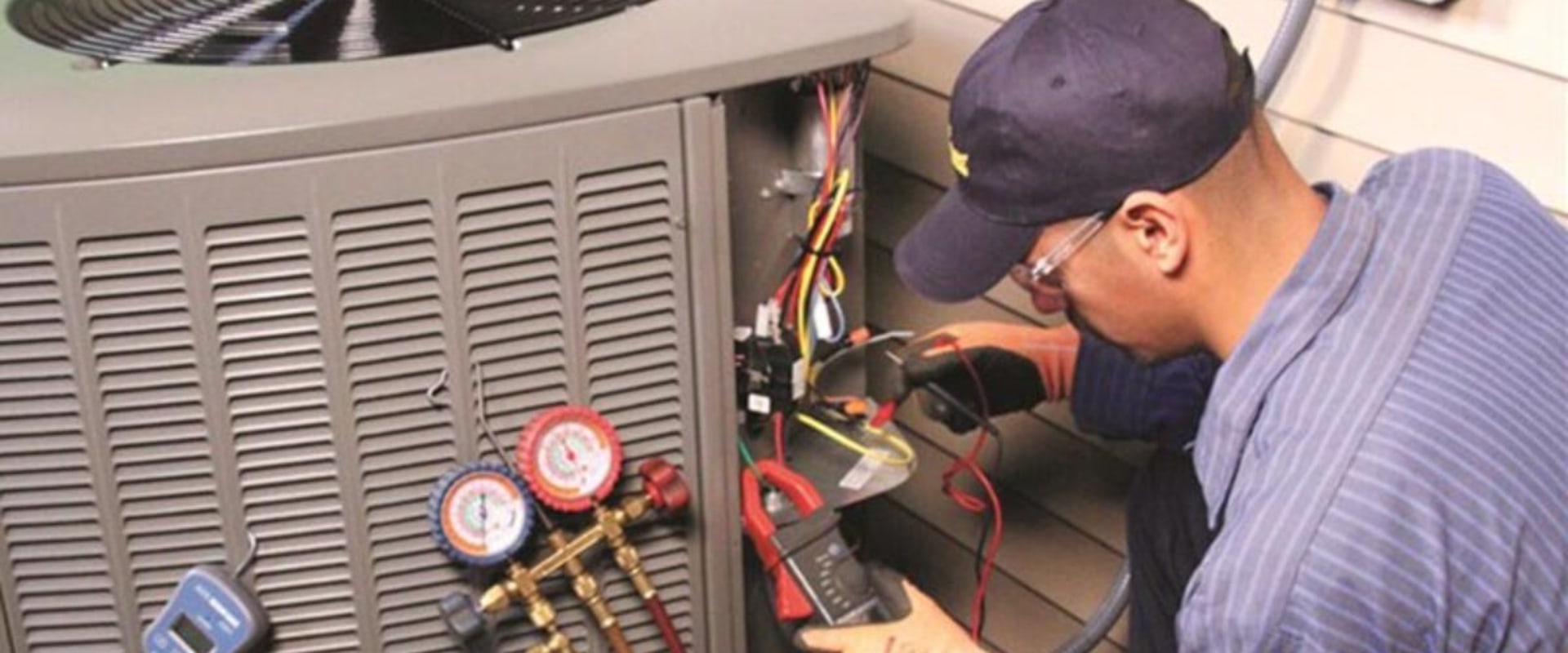
Understanding the lifespan of your HVAC system is crucial for homeowners who want to maintain a comfortable living environment while avoiding unexpected expenses. On average, an HVAC system can last anywhere from 10 to 15 years, depending on various factors such as the type of system, maintenance practices, and usage patterns. Knowing how long your air conditioning unit or heating system is expected to last can help you plan for its eventual replacement and avoid the stress of sudden breakdowns. Many homeowners often overlook the importance of regular maintenance, which can significantly extend the lifespan of their HVAC systems. Simple tasks like changing air filters, cleaning ducts, and scheduling annual inspections can make a world of difference in how efficiently your system operates.
In fact, neglecting these essential maintenance tasks can lead to premature wear and tear, resulting in costly repairs or even the need for a complete replacement much sooner than anticipated. As you consider the longevity of your HVAC system, it’s also important to recognize the signs that indicate it may be time for a replacement. Factors such as rising energy bills, inconsistent temperatures throughout your home, and frequent repairs can all signal that your system is struggling to keep up with your needs. By being proactive and understanding these indicators, you can make informed decisions about when to invest in a new HVAC system, ensuring that your home remains comfortable year-round.
Signs That Indicate It's Time for Replacement
Recognizing the signs that indicate it may be time to replace your HVAC system is essential for maintaining a comfortable home environment. Ignoring these indicators can lead to unexpected breakdowns, costly repairs, and decreased energy efficiency.Here are some key signs to watch for:
- Age of the System: One of the most significant factors in determining whether to replace your HVAC system is its age. Most systems have a lifespan of around 15 years. If your unit is approaching or has surpassed this age, it may be time to consider a replacement.
- Frequent Repairs: If you find yourself calling for air conditioner repair more often than usual, it could be a sign that your system is on its last legs. Frequent breakdowns not only disrupt your comfort but can also add up to significant repair costs over time.
- Increased Energy Bills: A sudden spike in your energy bills can indicate that your HVAC system is working harder than it should be.
This inefficiency often results from aging components or a system that is no longer capable of maintaining optimal performance.
- Inconsistent Temperatures: If certain rooms in your home are consistently warmer or cooler than others, it may suggest that your HVAC system is struggling to distribute air evenly. This inconsistency can be a sign of an aging or failing unit.
- Noisy Operation: Unusual noises such as grinding, squealing, or banging can indicate mechanical issues within your HVAC system. While some sounds may be resolved with minor repairs, persistent noise often points to deeper problems that could warrant a full replacement.
- Humidity Issues: An effective HVAC system should regulate humidity levels in your home. If you notice excessive humidity or dryness, it may indicate that your system is not functioning properly and could need replacement.
- Rising Repair Costs: If the cost of repairs begins to approach 50% of the value of a new system, it’s often more economical to invest in a replacement rather than continue pouring money into an aging unit.
Regular maintenance and inspections by a qualified technician can also help extend the life of your system, but knowing when to replace it is crucial for long-term efficiency and comfort.
The Cost of Repairs vs. Replacement
When considering whether to repair or replace your HVAC system, understanding the cost of repairs versus the cost of replacement is crucial. Homeowners often face the dilemma of investing in ongoing repairs or making a significant upfront investment in a new system. To make an informed decision, it’s essential to evaluate both options carefully.Understanding HVAC Repair Costs
- The average cost of HVAC repairs can range from $150 to $1,500, depending on the issue at hand.
Common repairs include replacing a faulty thermostat, fixing refrigerant leaks, or repairing ductwork.
- Regular maintenance can help mitigate repair costs. A well-maintained system is less likely to experience major breakdowns, which can lead to costly repairs.
- However, if you find yourself calling for repairs multiple times a year, it may indicate that your system is nearing the end of its lifespan.
The Cost of Replacing Your HVAC System
- On average, replacing an HVAC system can cost between $4,000 and $12,000, depending on the size of your home and the type of system you choose.
- Newer systems are often more energy-efficient, which can lead to lower utility bills over time. This energy savings can help offset the initial investment.
- Additionally, many manufacturers offer warranties on new systems that can provide peace of mind and protect against future repair costs.
Repair vs. Replace: Making the Decision
To determine whether to repair or replace your HVAC system, consider the following:
- Age of the System: If your system is over 10-15 years old and requires frequent repairs, replacement may be more cost-effective in the long run.
- Frequency of Repairs: If you’re spending more than 50% of the cost of a new system on repairs within a year, it’s time to consider replacement.
- Energy Efficiency: Older systems tend to be less efficient.
If your energy bills are rising despite regular maintenance, a new system could save you money over time.
Energy Efficiency and Environmental Impact
Upgrading to a more energy-efficient HVAC system can significantly enhance your home’s comfort while also benefiting the environment. As energy costs continue to rise, homeowners are increasingly seeking ways to reduce their monthly expenses. One of the most effective strategies is to invest in an energy-efficient HVAC system.Energy Savings
Modern HVAC systems are designed with advanced technology that allows them to operate more efficiently than older models. For instance, systems that are rated with a higher Seasonal Energy Efficiency Ratio (SEER) can provide substantial savings on energy bills.
Homeowners can expect to save anywhere from 20% to 50% on their heating and cooling costs by switching to a new, energy-efficient model. This not only alleviates financial strain but also contributes to a more sustainable lifestyle.
Environmental Impact
The environmental benefits of upgrading your HVAC system cannot be overstated. Older systems often use refrigerants that are harmful to the ozone layer and contribute to greenhouse gas emissions. In contrast, newer models utilize eco-friendly refrigerants and are designed to minimize energy consumption, thereby reducing your carbon footprint.
By choosing an energy-efficient HVAC system, you are actively participating in the fight against climate change.
Additional Benefits
- Improved Indoor Air Quality: Newer systems often come equipped with advanced filtration systems that can significantly improve indoor air quality by reducing allergens and pollutants.
- Enhanced Comfort: Energy-efficient HVAC systems provide more consistent temperatures throughout your home, eliminating hot and cold spots.
- Increased Home Value: Homes equipped with modern, efficient HVAC systems tend to have higher resale values, making it a wise investment for the future.
Evaluating Your Home's Insulation and Sealing
When considering the efficiency and longevity of your HVAC system, one of the most critical factors to evaluate is your home’s insulation and sealing. Proper insulation not only helps maintain a comfortable indoor temperature but also significantly impacts the performance of your heating and cooling systems.Understanding the Role of Insulation
Insulation acts as a barrier to heat flow, keeping your home warm in the winter and cool in the summer. If your home is poorly insulated, your HVAC system will have to work harder to maintain the desired temperature, leading to increased energy consumption and wear on the system.
Here are some key points to consider:
- Types of Insulation: Different types of insulation materials (fiberglass, foam, cellulose) have varying R-values, which measure their effectiveness. Higher R-values indicate better insulating properties.
- Location Matters: Insulating areas such as attics, walls, and basements can drastically reduce energy loss. Pay special attention to areas where heat can escape or enter.
- Age of Insulation: Over time, insulation can settle or become less effective. Regularly check its condition and replace it if necessary.
The Importance of Sealing
In addition to insulation, sealing gaps and cracks in your home is essential for maximizing HVAC efficiency.
Air leaks can occur around windows, doors, ducts, and even electrical outlets. These leaks allow conditioned air to escape and unconditioned air to enter, forcing your HVAC system to work overtime. Consider these sealing strategies:
- Weatherstripping: Apply weatherstripping around doors and windows to create a tight seal that prevents air leakage.
- Caulking: Use caulk to seal cracks and gaps in walls, especially around windows and doors.
- Duct Sealing: Ensure that ductwork is properly sealed to prevent air loss. Leaky ducts can account for significant energy waste.
Impact on HVAC Efficiency
A well-insulated and sealed home can lead to substantial savings on energy bills while extending the lifespan of your HVAC system.
By reducing the workload on your heating and cooling units, you not only enhance their efficiency but also minimize the need for frequent repairs or replacements. Regular maintenance checks should include an evaluation of both insulation and sealing to ensure optimal performance. In conclusion, investing time and resources into improving your home’s insulation and sealing can yield significant benefits for your HVAC system's efficiency and longevity. By addressing these factors proactively, you can create a more comfortable living environment while also saving money in the long run.
Choosing the Right Replacement System
When it comes to selecting a replacement HVAC system, the process can feel overwhelming due to the variety of options available. However, making an informed decision is crucial for ensuring comfort, efficiency, and cost-effectiveness in your home.Here are some key factors to consider when choosing the right system:
- Assess Your Home's Size and Layout: The first step in selecting an HVAC system is to evaluate the size of your home. A system that is too small will struggle to maintain comfortable temperatures, while one that is too large can lead to inefficiencies and increased energy costs. Consider consulting with a professional who can perform a load calculation to determine the appropriate size for your new system.
- Energy Efficiency Ratings: Look for systems with high energy efficiency ratings, such as those certified by ENERGY STAR. These systems use less energy to operate, which can significantly reduce your utility bills over time.
Pay attention to the Seasonal Energy Efficiency Ratio (SEER) for air conditioners and the Annual Fuel Utilization Efficiency (AFUE) for furnaces.
- Type of System: There are various types of HVAC systems available, including central air conditioning, ductless mini-splits, heat pumps, and more. Each type has its own advantages and disadvantages depending on your home’s layout and your specific heating and cooling needs. For instance, ductless systems are ideal for homes without existing ductwork.
- Budget Considerations: Establishing a budget is essential before you start shopping for a new HVAC system. While it may be tempting to go for the cheapest option available, consider the long-term savings associated with more efficient models.
Factor in installation costs, potential rebates, and financing options that may be available through local utility companies or manufacturers.
- Brand Reputation and Warranty: Research different brands and their reputations in the market. Look for reviews from other homeowners and check ratings from organizations like Consumer Reports. Additionally, consider the warranty offered by the manufacturer; a longer warranty can provide peace of mind regarding future repairs.
- Professional Installation: Finally, ensure that you hire a qualified HVAC contractor for installation. Proper installation is critical for the performance and longevity of your new system.
A professional can also help you navigate any local codes or regulations that may apply.
The Importance of Professional Installation
When it comes to installing a new HVAC system, the significance of professional installation cannot be overstated. While some homeowners may consider a DIY approach to save on costs, the reality is that improper installation can lead to a myriad of issues that compromise both the performance and longevity of the system.Benefits of Hiring an HVAC Contractor
- Expertise and Experience: Professional HVAC contractors possess the necessary training and experience to handle complex installations. They understand the intricacies of different systems and can ensure that your unit is installed according to manufacturer specifications.
- Proper Sizing: An HVAC contractor will perform a detailed load calculation to determine the appropriate size of the system for your home.
An incorrectly sized unit can lead to inefficiencies, increased energy bills, and premature wear and tear.
- Compliance with Local Codes: Professionals are familiar with local building codes and regulations. They ensure that your installation meets all legal requirements, which can prevent costly fines or issues during future inspections.
- Warranty Protection: Many manufacturers require professional installation for warranty coverage. If you attempt a DIY installation, you risk voiding the warranty, leaving you responsible for any repairs or replacements.
Common Pitfalls of DIY Installations
Attempting to install an HVAC system without professional help can lead to several common pitfalls:
- Poor Airflow: Incorrect ductwork installation can restrict airflow, leading to uneven heating or cooling throughout your home.
- Increased Energy Costs: A poorly installed system may not operate efficiently, resulting in higher energy bills as it struggles to maintain desired temperatures.
- Frequent Breakdowns: Without proper installation, components may wear out faster, leading to frequent repairs and a shorter lifespan for your system.
Installation Tips for HVAC Systems
If you decide to hire a professional for your HVAC installation, consider these tips:
- Research Contractors: Look for licensed and insured contractors with positive reviews and references from previous clients.
- Get Multiple Quotes: Obtain estimates from several contractors to compare pricing and services offered.
- Ask About Maintenance Plans: Inquire if the contractor offers maintenance plans post-installation to keep your system running efficiently.
Maintenance Tips for Your New HVAC System
Maintaining your new HVAC system is crucial for ensuring its longevity and efficiency.Regular upkeep not only helps in avoiding costly repairs but also enhances the overall comfort of your home. Here are some essential HVAC maintenance tips to keep your system running smoothly:
- Schedule Regular Professional Inspections: At least once a year, have a qualified HVAC technician inspect your system. They can identify potential issues before they escalate, ensuring that your system operates at peak efficiency.
- Change Air Filters Frequently: Dirty air filters can restrict airflow and cause your system to work harder than necessary. Check your filters monthly and replace them every 1-3 months, depending on usage and filter type.
- Keep the Outdoor Unit Clean: Ensure that the outdoor condenser unit is free from debris such as leaves, dirt, and grass clippings.
A clean unit allows for better airflow and efficiency. Trim any nearby vegetation to maintain at least two feet of clearance around the unit.
- Check Thermostat Settings: Make sure your thermostat is functioning correctly and set to an appropriate temperature. Consider upgrading to a programmable thermostat for better energy management.
- Inspect Ductwork: Leaky ducts can lead to significant energy loss. Inspect your ductwork for any signs of damage or disconnections, and seal any leaks with duct tape or mastic sealant.
- Monitor System Performance: Pay attention to how your HVAC system operates.
If you notice unusual noises, inconsistent temperatures, or increased energy bills, it may be time to consult a professional.
Frequently Asked Questions About HVAC Replacement
When considering the replacement of your HVAC system, homeowners often have numerous questions. Here are some of the most frequently asked questions regarding HVAC replacement and air conditioner repair.1.How do I know if my HVAC system needs to be replaced?
Several signs indicate that it may be time for a replacement:- Age: If your system is over 15 years old, it may be less efficient and more prone to breakdowns.
- Frequent Repairs: If you find yourself calling for repairs multiple times a year, it might be more cost-effective to invest in a new system.
- Increased Energy Bills: A sudden spike in your energy bills can indicate that your HVAC system is working harder than it should.
- Inconsistent Temperatures: If certain rooms in your home are too hot or too cold, your HVAC system may not be functioning properly.
2.What are the benefits of replacing my HVAC system?
Replacing an outdated HVAC system can offer several advantages:- Improved Energy Efficiency: Newer models are designed to use less energy, which can lead to significant savings on utility bills.
- Enhanced Comfort: Modern systems provide better temperature control and air quality, ensuring a more comfortable living environment.
- Reduced Repair Costs: A new system typically requires fewer repairs and maintenance, saving you money in the long run.
3.How long does an HVAC replacement take?
The duration of an HVAC replacement can vary based on several factors, including the size of your home and the complexity of the installation. Generally, you can expect the process to take anywhere from a few hours to a full day.Your contractor will provide a more accurate timeline based on your specific situation.
4.Should I repair or replace my air conditioner?
This decision often depends on the age of your unit and the extent of the repairs needed. A good rule of thumb is the 50% rule: if the cost of repairs exceeds 50% of the cost of a new unit, it’s usually wiser to replace it. Additionally, consider how much longer you expect your current unit to last; if it's nearing the end of its lifespan, replacement may be the better option. If you have further questions about your specific situation or need assistance with air conditioner repair, consulting with a professional HVAC technician can provide tailored advice and solutions.Conclusion: Making Informed Decisions About Your HVAC System
In conclusion, understanding when to replace your HVAC system is crucial for maintaining a comfortable and energy-efficient home. Throughout this article, we have explored various indicators that suggest it may be time to consider a replacement, including the age of your system, rising energy bills, frequent breakdowns, and inconsistent temperature control.Recognizing these signs early can save you from unexpected discomfort and costly repairs. It is essential to remember that while air conditioner repair can extend the life of your HVAC system, there comes a point when repairs become more frequent and expensive than a full replacement. Investing in a new system not only enhances your home’s comfort but also improves energy efficiency, which can lead to significant savings on utility bills over time. Moreover, advancements in HVAC technology mean that newer systems are often more efficient and environmentally friendly. By upgrading, you can take advantage of these innovations, which can provide better air quality and lower your carbon footprint. To make informed decisions about your HVAC system:
- Schedule Regular Maintenance: Regular inspections by a qualified technician can help identify potential issues before they escalate.
- Consider Energy Audits: An energy audit can provide insights into your home’s efficiency and whether your HVAC system is performing optimally.
- Evaluate Your Home’s Insulation: Proper insulation plays a vital role in the efficiency of your HVAC system. Ensure that your home is well-insulated to maximize performance.
- Research Replacement Options: When it’s time to replace your system, research various models and consult with professionals to find the best fit for your needs and budget.
By staying informed and taking timely action, you can ensure that you enjoy a reliable and efficient heating and cooling system for years to come.
More articles
Expert Tips for Diagnosing Air Conditioner Problems: A Comprehensive Guide to Air Conditioner Repair
Learn expert tips for diagnosing air conditioner problems and ensure efficient air conditioner repair with our comprehensive guide.
The Best HVAC Brands for Long-Lasting Performance: A Comprehensive Guide
Discover the best HVAC brands known for durability and efficiency. Learn how to choose the right system for long-lasting comfort.
Essential First Steps in HVAC System Diagnostics for Air Conditioner Repair
Learn essential first steps in HVAC diagnostics for effective air conditioner repair. Ensure optimal performance and comfort in your home.
The Costly Truth About AC Unit Repairs: Understanding Air Conditioner Repair Costs and Prevention
Discover the truth about air conditioner repair costs and how to prevent expensive issues. Learn essential maintenance tips for your HVAC system.