The Most Common Air Conditioner Problems and How to Fix Them
Discover the most common air conditioner problems and effective solutions to keep your home cool and comfortable all summer long.
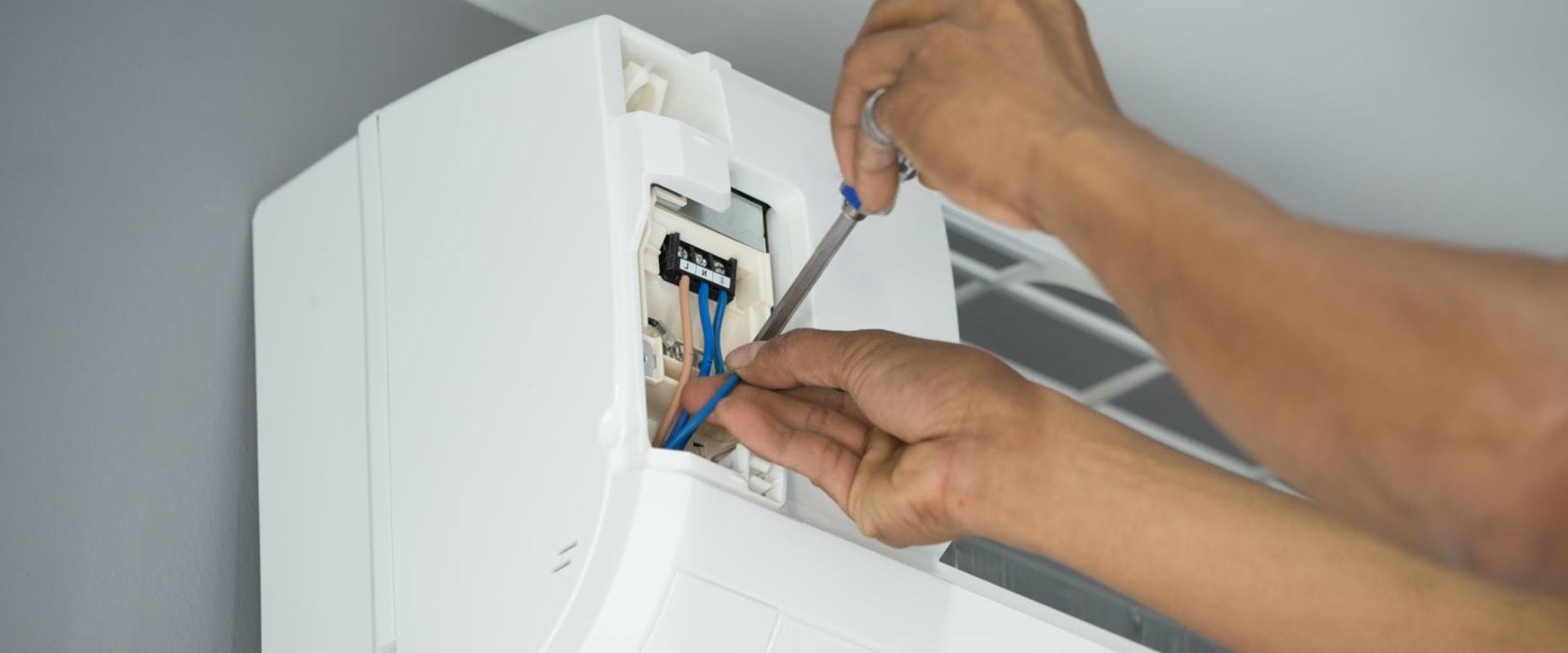
As temperatures rise during the sweltering summer months, the air conditioner becomes an essential appliance in many households. However, like any mechanical system, air conditioners are prone to a variety of issues that can hinder their performance and efficiency. Understanding these As temperatures rise during the sweltering summer months, the air conditioner becomes an essential appliance in many households. However, like any mechanical system, air conditioners are prone to a variety of issues that can hinder their performance and efficiency. Understanding these air conditioner problems is crucial for homeowners who want to maintain a comfortable living environment and avoid costly repairs. By familiarizing yourself with common AC issues, you can take proactive steps to ensure your unit operates smoothly. Many homeowners may not realize that even minor problems can escalate into significant malfunctions if left unaddressed.
For instance, a simple issue like a clogged filter can lead to reduced airflow, causing the system to work harder and consume more energy. This not only affects your comfort but also increases your utility bills. Therefore, recognizing the signs of trouble early on is vital for effective air conditioner repair . In this article, we will delve into the most frequent air conditioning problems encountered by homeowners. From inadequate cooling and strange noises to water leaks and thermostat malfunctions, each issue will be explored in detail.
We will also provide practical solutions and maintenance tips to help you tackle these challenges head-on. By understanding the root causes of these common AC issues, you can make informed decisions about repairs and maintenance, ultimately extending the lifespan of your air conditioning unit.
Understanding Your Air Conditioning System
To effectively address air conditioner repair issues, it is essential to understand the fundamental workings of your air conditioning system. At its core, an air conditioning unit operates on the principles of thermodynamics, utilizing a refrigerant to transfer heat from inside your home to the outside environment.Key Components of an Air Conditioning System
- Compressor: Often referred to as the heart of the AC system, the compressor pumps the refrigerant through the system. It compresses the refrigerant gas, raising its pressure and temperature before sending it to the condenser.
-
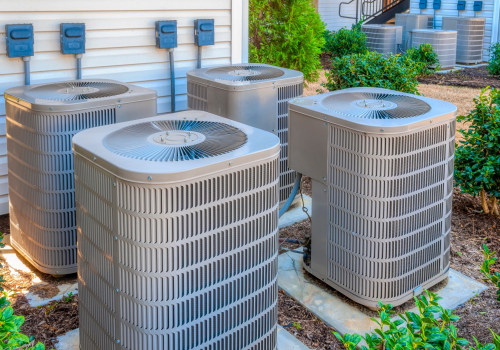
Condenser: Located outside your home, the condenser cools and condenses the refrigerant from a gas back into a liquid.
This process releases heat absorbed from inside your home into the outdoor air.
- Evaporator Coil: Found inside your home, the evaporator coil absorbs heat from indoor air. As warm air passes over the coil, the refrigerant inside evaporates, cooling the air that is then circulated back into your living space.
- Expansion Valve: This component regulates the flow of refrigerant into the evaporator coil. It reduces the pressure of the refrigerant, allowing it to expand and cool before entering the evaporator.
- Thermostat: The thermostat acts as the control center for your air conditioning system. It monitors indoor temperatures and signals the AC unit to turn on or off based on your desired settings.
How Air Conditioners Work
The cycle begins when warm air from your home is drawn into the AC unit through return ducts.
The air passes over the evaporator coil, where it is cooled by the refrigerant. The cooled air is then blown back into your living space via supply ducts. Meanwhile, the refrigerant absorbs heat and transforms into a gas, which is then sent to the compressor. The compressor pressurizes this gas and sends it to the condenser, where it releases heat and condenses back into a liquid state. This continuous cycle of heat absorption and release is what keeps your home comfortable during hot weather.
Understanding these components and their functions can significantly aid in diagnosing common issues that may arise with your air conditioning system.
Common Air Conditioner Problems
Air conditioners are essential for maintaining comfort in our homes, especially during the sweltering summer months. However, like any mechanical system, they can encounter a variety of issues that may hinder their performance. Understanding these common air conditioner problems can help you troubleshoot effectively and determine when to seek professional air conditioner repair. Here are some of the most frequent issues faced by air conditioning units:-
Inadequate Cooling: One of the most frustrating problems is when your air conditioner fails to cool your space adequately. This could be due to a dirty air filter, which restricts airflow, or low refrigerant levels caused by leaks.
Regular maintenance, including changing filters and checking refrigerant levels, can prevent this issue.
- Strange Noises: If your air conditioner starts making unusual sounds such as grinding, squealing, or banging, it could indicate mechanical issues. These noises may stem from loose parts, worn-out bearings, or debris caught in the fan. Ignoring these sounds can lead to more severe damage.
-
Water Leaks: Water pooling around your air conditioning unit is a clear sign of trouble. This could be due to a clogged drain line or a malfunctioning condensate pump.
If not addressed promptly, water leaks can lead to mold growth and structural damage.
- Frequent Cycling: If your air conditioner turns on and off frequently, it may be short cycling. This can be caused by an oversized unit, a malfunctioning thermostat, or dirty coils. Short cycling not only affects comfort but also increases energy consumption.
- Bad Odors: Foul smells emanating from your air conditioning system can indicate mold growth within the unit or ductwork. It’s crucial to address this issue quickly as it can affect indoor air quality and health.
Regular maintenance and prompt attention to these common issues will ensure that your air conditioning unit operates efficiently and effectively throughout its lifespan.
Inadequate Cooling: Causes and Solutions
Experiencing inadequate cooling from your air conditioner can be frustrating, especially during the sweltering summer months. If your AC is not cooling effectively, it could be due to several underlying issues. Understanding these causes and knowing how to address them can save you time and money on air conditioner repair.Common Causes of Inadequate Cooling
- Refrigerant Leaks: One of the most common reasons for poor cooling performance is a refrigerant leak. Refrigerant is essential for absorbing heat from your home, and if there’s a leak, the system cannot cool effectively.
-
Thermostat Malfunctions: A malfunctioning thermostat can lead to incorrect temperature readings, causing the AC to run inefficiently or not at all.
This can result in rooms feeling warmer than desired.
- Dirty Air Filters: Clogged or dirty air filters restrict airflow, making it difficult for your AC to circulate cool air throughout your home. Regularly changing or cleaning filters is crucial for optimal performance.
- Blocked Vents: Furniture or other obstructions blocking air vents can prevent cool air from reaching certain areas of your home. Ensuring that all vents are clear is essential for even cooling.
- Faulty Compressor: The compressor is the heart of your air conditioning system. If it’s not functioning properly, the entire system will struggle to cool your home effectively.
Step-by-Step Solutions
If you find that your air conditioner is not cooling as it should, here are some steps you can take:-
Check the Thermostat: Ensure that the thermostat is set to a temperature lower than the current room temperature.
Replace batteries if necessary and check for any error codes.
- Inspect Air Filters: Remove and inspect the air filters. If they are dirty or clogged, replace them with new ones to improve airflow.
- Examine Vents: Walk through your home and ensure that all vents are open and unobstructed. Move any furniture or items that may be blocking airflow.
- Look for Refrigerant Leaks: If you suspect a refrigerant leak, it’s best to call a professional technician. They can locate and repair leaks and recharge the system with the correct amount of refrigerant.
-
Schedule Professional Maintenance: Regular maintenance by a qualified technician can help identify potential issues before they become major problems.
Schedule annual check-ups to keep your system running smoothly.
Strange Noises from Your Air Conditioner
When your air conditioner starts making strange noises, it can be a cause for concern. These sounds often indicate underlying issues that may require air conditioner repair. Understanding what these noises mean can help you troubleshoot the problem effectively.Common Noises and Their Meanings
-
Hissing Sounds: A hissing noise can suggest a refrigerant leak.
This occurs when the refrigerant escapes from the coils, leading to reduced cooling efficiency. If you hear this sound, it’s crucial to turn off your unit and contact a professional technician to locate and repair the leak.
- Buzzing or Clicking: Buzzing noises may indicate electrical issues, such as a failing capacitor or loose wiring. Clicking sounds can occur when the thermostat is malfunctioning or when there are issues with the compressor. Both situations require immediate attention to prevent further damage.
-
Rattling or Banging: If you hear rattling or banging noises, it could mean that there are loose parts within the unit, such as screws or fan blades.
This can lead to more significant mechanical failures if not addressed promptly. Inspect the unit for any visible loose components and tighten them if possible.
- Squealing Sounds: A high-pitched squeal often indicates that the fan belt is worn out or that there is an issue with the motor bearings. This type of noise should not be ignored, as it can lead to complete motor failure if not repaired.
Troubleshooting Noisy Air Conditioners
If your air conditioner is making unusual sounds, here are some steps you can take:- Turn Off the Unit: For safety reasons, always turn off your air conditioner before attempting any troubleshooting.
- Inspect for Visible Issues: Check for any loose screws, debris in the fan, or damaged components that may be causing the noise.
- Check the Filters: Clogged filters can restrict airflow and cause your system to work harder, leading to unusual sounds. Replace or clean filters regularly to maintain optimal performance.
-
Consult a Professional: If you cannot identify or resolve the issue on your own, it’s best to call a qualified technician who specializes in air conditioner repair.
They have the tools and expertise to diagnose and fix complex problems safely.
Water Leaks: Identifying and Fixing the Problem
Water leaks from your air conditioning unit can be a frustrating issue, often leading to water damage and increased repair costs if not addressed promptly. Understanding the common causes of these leaks and how to fix them is essential for any homeowner.Common Causes of AC Water Leaks
-
Clogged Drain Lines: One of the most frequent culprits behind water leaks is a clogged condensate drain line. Over time, dirt, dust, and algae can accumulate in the drain line, preventing water from flowing out properly.
This blockage can cause water to back up and leak from the unit.
- Faulty Condensate Pump: If your air conditioning system uses a condensate pump to remove excess water, a malfunctioning pump can lead to leaks. If the pump is broken or not functioning correctly, it may not be able to expel the water effectively.
- Low Refrigerant Levels: Insufficient refrigerant can cause the evaporator coil to freeze. When the coil melts, it can lead to excessive water that the drainage system cannot handle, resulting in leaks.
- Dirty Air Filters: Clogged air filters restrict airflow, causing the evaporator coil to freeze. Similar to low refrigerant levels, when the ice melts, it can overwhelm the drainage system.
-
Poor Installation: If your air conditioning unit was not installed correctly, it could lead to improper drainage and leaks.
Ensuring that your unit is level and that all components are correctly aligned is crucial for optimal performance.
Troubleshooting AC Leaks
If you notice water pooling around your air conditioning unit, follow these troubleshooting steps:- Inspect the Drain Line: Check for any visible blockages in the drain line. You can use a wet/dry vacuum to clear minor clogs or a plumber's snake for more stubborn blockages.
- Examine the Condensate Pump: Ensure that the pump is plugged in and functioning. If it appears damaged or is not working correctly, consider replacing it.
- Check Refrigerant Levels: If you suspect low refrigerant levels, contact a professional technician to assess and recharge your system as needed.
- Replace Air Filters: Regularly changing your air filters can prevent airflow issues that lead to freezing coils. Aim to replace filters every 1-3 months depending on usage.
- Consult a Professional: If you are unable to identify or fix the leak yourself, it’s best to call an HVAC technician who can diagnose and resolve more complex issues.
Thermostat Issues: Troubleshooting Tips
Thermostat issues can significantly impact the efficiency and performance of your air conditioning system.Understanding how to troubleshoot these problems can save you time, money, and discomfort during hot weather. Here are some common thermostat-related problems and effective solutions to address them.
Common Thermostat Problems
- Inaccurate Temperature Readings: If your thermostat is not accurately reflecting the temperature in your home, it may cause your air conditioner to run inefficiently. This can be due to dust accumulation or placement in a location that receives direct sunlight.
- Unresponsive Thermostat: Sometimes, the thermostat may fail to respond to temperature adjustments. This could be due to dead batteries, a tripped circuit breaker, or internal malfunctions.
-
Short Cycling: If your air conditioner frequently turns on and off, it may be a sign of a malfunctioning thermostat.
This can lead to increased energy bills and unnecessary wear on your system.
Troubleshooting Tips
Here are some steps you can take to troubleshoot common thermostat issues:- Check the Power Supply: Ensure that your thermostat is receiving power. If it’s battery-operated, replace the batteries. For wired models, check the circuit breaker to ensure it hasn’t tripped.
- Clean the Thermostat: Dust and debris can interfere with the thermostat's sensors. Gently clean the unit with a soft brush or cloth to remove any buildup.
-
Recalibrate the Thermostat: If you suspect inaccurate readings, consult your user manual for recalibration instructions.
This process can help ensure that your thermostat reflects the actual room temperature.
- Inspect Wiring Connections: Loose or damaged wires can cause communication issues between the thermostat and the air conditioning unit. If you’re comfortable doing so, check for any visible wiring problems.
Compressor Problems: Signs and Solutions
The compressor is often referred to as the heart of your air conditioning system, playing a crucial role in the cooling process. When issues arise with the compressor, it can lead to significant discomfort and costly repairs.Understanding the signs of compressor failure and knowing how to address these problems is essential for maintaining an efficient air conditioning system.
Signs of Compressor Failure
- Unusual Noises: If you hear clanking, buzzing, or grinding sounds coming from your AC unit, it may indicate that the compressor is struggling or has internal damage.
- Inadequate Cooling: If your air conditioner is running but not cooling your home effectively, the compressor may not be functioning properly.
- Frequent Cycling: An AC unit that frequently turns on and off may be a sign of compressor issues, as it struggles to maintain the desired temperature.
- High Energy Bills: A sudden spike in your energy bills can indicate that your compressor is working harder than it should due to inefficiencies.
- Overheating: If the compressor feels excessively hot to the touch, it may be overheating due to a lack of refrigerant or other mechanical failures.
How to Fix AC Compressor Problems
If you suspect that your compressor is failing, here are some steps you can take:
- Turn Off the Unit: To prevent further damage, immediately turn off your air conditioning system if you notice any signs of compressor failure.
- Check the Power Supply: Ensure that the unit is receiving power. A tripped circuit breaker or blown fuse could be the culprit.
- Inspect for Refrigerant Leaks: Low refrigerant levels can cause compressor issues. Look for signs of leaks around the unit and consider calling a professional for a recharge if necessary.
- Clean or Replace Filters: Clogged filters can restrict airflow and cause the compressor to overheat. Regular maintenance includes cleaning or replacing filters as needed.
-
Consult a Professional: If basic troubleshooting does not resolve the issue, it’s best to contact a qualified HVAC technician.
They can diagnose more complex problems and recommend whether repair or replacement is necessary.
When to Replace Your Compressor
If repairs are extensive or if your compressor is older than 10-15 years, replacement may be more cost-effective in the long run. A new, energy-efficient model can save you money on energy bills and improve overall comfort in your home. By recognizing the signs of compressor failure early and taking appropriate action, you can extend the life of your air conditioning system and ensure a cool, comfortable environment during those hot summer months.
Preventive Maintenance for Your Air Conditioner
Regular maintenance is crucial for ensuring the longevity and efficiency of your air conditioning system. By implementing a proactive approach to air conditioner maintenance, homeowners can significantly reduce the likelihood of encountering common issues that lead to costly repairs. Here are some essential maintenance tips to keep your AC running smoothly:-
Change or Clean Filters: One of the simplest yet most effective maintenance tasks is to regularly check and replace or clean the air filters.
Clogged filters restrict airflow, making your system work harder and less efficiently. Aim to change or clean your filters every 1-3 months, especially during peak usage seasons.
- Inspect the Condenser Unit: The outdoor condenser unit should be free from debris such as leaves, dirt, and grass clippings. Regularly inspect the unit and clear any obstructions to ensure proper airflow. Additionally, consider trimming back any vegetation that may encroach on the unit.
-
Check Refrigerant Levels: Low refrigerant levels can indicate a leak in the system.
It’s essential to have a qualified technician check the refrigerant levels during routine maintenance to ensure optimal performance.
- Clean the Coils: Both the evaporator and condenser coils can accumulate dirt over time, which can hinder their ability to absorb and release heat effectively. Cleaning these coils at least once a year can improve efficiency and prolong the life of your air conditioner.
- Examine Ductwork: Inspecting your ductwork for leaks or blockages is vital for maintaining efficient airflow throughout your home. Sealing any leaks can prevent energy loss and improve overall system performance.
- Test Thermostat Settings: Ensure that your thermostat is functioning correctly by testing its settings. Consider upgrading to a programmable thermostat for better energy management.
-
Schedule Professional Maintenance: While there are many tasks homeowners can perform, scheduling annual professional maintenance is essential.
A qualified HVAC technician can conduct a thorough inspection, identify potential issues, and perform necessary repairs before they escalate.
When to Call a Professional for Air Conditioner Repair
While many air conditioner issues can be addressed with basic troubleshooting and DIY fixes, there are specific scenarios where the expertise of a professional HVAC technician is essential. Recognizing these situations can save you time, money, and potential damage to your system.Signs You Need Professional AC Repair Help
- Persistent Cooling Issues: If your air conditioner is not cooling your home effectively despite changing filters and checking the thermostat settings, it may indicate a deeper problem that requires professional diagnosis.
- Unusual Noises: Sounds such as grinding, squealing, or banging can signal mechanical issues within the unit. These noises often suggest that components are failing or misaligned, necessitating a technician's intervention.
-
Frequent Cycling: If your AC turns on and off frequently (short cycling), it could be due to an oversized unit or a malfunctioning thermostat.
A professional can assess the situation and recommend appropriate solutions.
- Water Leaks: Any signs of water pooling around your air conditioning unit should be taken seriously. This could indicate a clogged drain line or a refrigerant leak, both of which require immediate attention from a qualified technician.
- Foul Odors: Unpleasant smells emanating from your AC can indicate mold growth or electrical issues. These problems can pose health risks and should be evaluated by a professional.
- Increased Energy Bills: A sudden spike in your energy bills without any change in usage patterns may suggest that your air conditioner is working harder than it should due to inefficiencies. A technician can help identify the cause and improve efficiency.
The Benefits of Hiring Qualified Technicians
Engaging a professional for air conditioner repair not only ensures that the job is done correctly but also provides peace of mind.
Qualified technicians have the training and experience to diagnose complex issues accurately and implement effective solutions. They also have access to specialized tools and equipment that may not be available to the average homeowner. Moreover, hiring a professional can help maintain your warranty coverage. Many manufacturers require that repairs be performed by certified technicians to keep warranties valid. This means that investing in professional services can protect your investment in the long run. In conclusion, while some air conditioning problems can be managed independently, knowing when to call in a professional is crucial for maintaining the efficiency and longevity of your system.
If you encounter any of the signs mentioned above, don’t hesitate to reach out to a qualified HVAC technician for assistance.
<strong>Conclusion</strong>
In summary, understanding the most common air conditioner problems and their solutions is crucial for maintaining a comfortable living environment, especially during the sweltering summer months. Regular maintenance and timely air conditioner repair can significantly extend the lifespan of your unit and enhance its efficiency. As we have discussed, issues such as faulty installation, inadequate maintenance, thermostat malfunctions, and compressor failures are prevalent among air conditioning systems. Each of these problems can lead to decreased performance and increased energy costs if not addressed promptly. Therefore, it is essential to be proactive in identifying these issues before they escalate into more significant concerns. Moreover, engaging a qualified technician for installation and repairs is vital.A professional can ensure that your system is set up correctly and maintained according to the manufacturer's specifications. This not only helps in avoiding common pitfalls but also guarantees that your air conditioner operates at peak efficiency. Additionally, homeowners should familiarize themselves with basic troubleshooting techniques. For instance, checking the thermostat settings, replacing air filters regularly, and ensuring that vents are unobstructed can often resolve minor issues without the need for professional intervention. Ultimately, investing time in understanding your air conditioning system will pay off in the long run. By being aware of potential problems and knowing how to address them, you can enjoy a cool and comfortable home while minimizing repair costs.
Remember, when in doubt, don’t hesitate to call in an expert to handle complex repairs or maintenance tasks. In conclusion, a well-maintained air conditioning system not only provides comfort but also contributes to energy efficiency and cost savings. Stay vigilant about your unit's performance, and take action at the first sign of trouble to ensure that your air conditioner continues to serve you well for years to come.
More articles
The Costly Truth About AC Compressor Replacement: Understanding Air Conditioner Repair
Discover the essential facts about AC compressor replacement and air conditioner repair to save money and maintain comfort in your home.
Understanding the Lifespan of Your HVAC Unit: Key Factors and Maintenance Tips
Discover how long your HVAC unit can last and learn essential maintenance tips to extend its lifespan and efficiency.
The Costly Truth About AC Unit Repairs: Understanding Air Conditioner Repair Costs and Prevention
Discover the truth about air conditioner repair costs and how to prevent expensive issues. Learn essential maintenance tips for your HVAC system.
Essential Tips to Extend the Lifespan of Your Residential HVAC System
Discover essential tips to maximize the lifespan of your HVAC system and reduce air conditioner repair costs. Keep your home comfortable year-round.