Understanding the Most Common Causes of Air Conditioner Unit Failure
Discover the most common causes of air conditioner failure and learn how to prevent costly repairs with proper maintenance.
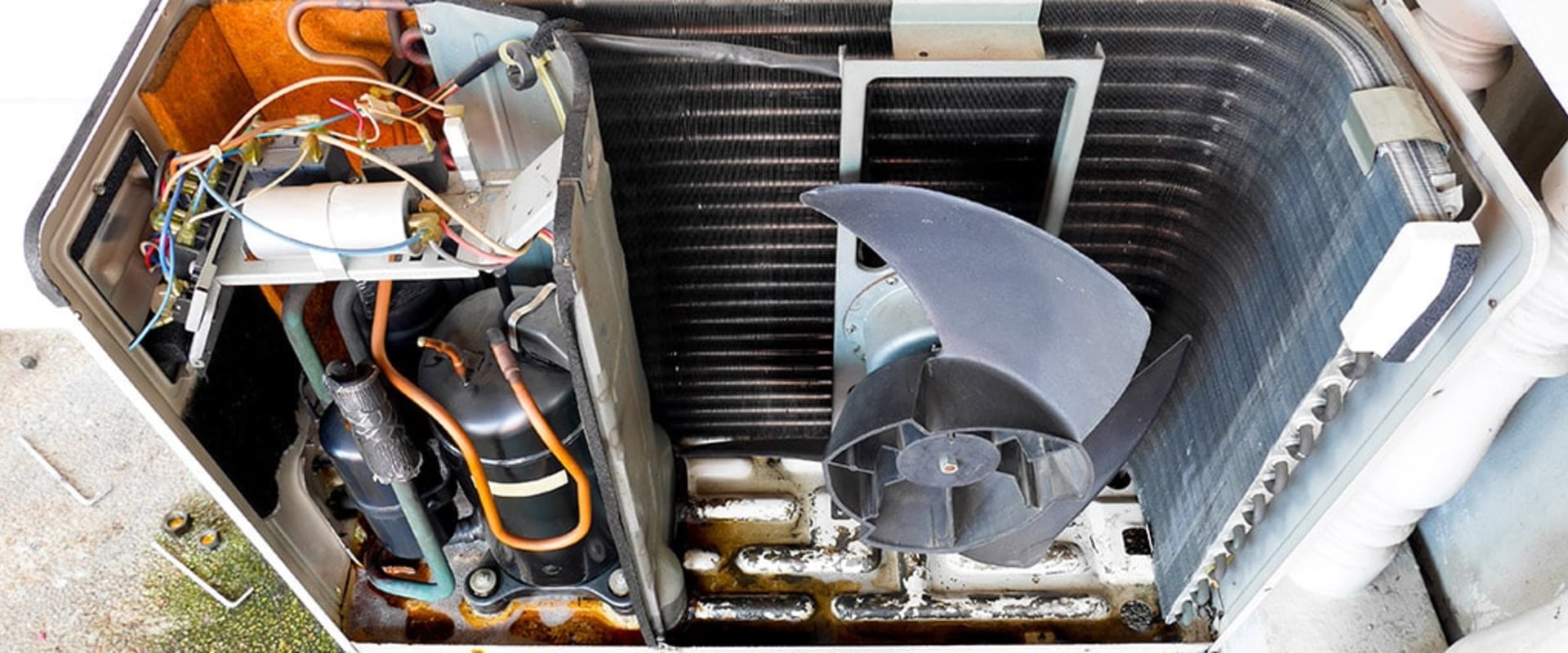
As the temperatures rise during the summer months, the last thing any homeowner wants to experience is an unexpected breakdown of their air conditioning system. Understanding the common causes of AC unit failureAC unit failure is crucial for maintaining a comfortable living environment and avoiding costly air conditioner repair bills. Many homeowners may not realize that a few simple maintenance tasks can significantly extend the lifespan of their air conditioning units and enhance their efficiency. Air conditioners are complex systems composed of various components that work together to cool your home. When one part malfunctions, it can lead to a domino effect, causing other components to fail as well.
Common issues such as refrigerant leaks, clogged filters, and electrical problems can arise if not addressed promptly. By familiarizing yourself with these potential pitfalls, you can take proactive measures to prevent them from escalating into major repairs. Moreover, regular maintenance is often overlooked by homeowners, leading to a higher likelihood of breakdowns. Simple actions like changing air filters, cleaning coils, and scheduling professional inspections can make a world of difference in your AC unit's performance. In this article, we will delve deeper into the most frequent causes of air conditioner failures and provide practical tips on how to keep your system running smoothly throughout the hot months.
The Role of the Compressor in AC Units
The compressor is often referred to as the heart of an air conditioning unit, playing a crucial role in the cooling process.Its primary function is to compress the refrigerant gas, raising its pressure and temperature before it moves to the condenser. This process is essential for transferring heat from inside your home to the outside environment, thereby cooling the indoor air. Given its vital role, the compressor is typically the first component to experience failure in an AC unit. Several factors contribute to this vulnerability:
- Overheating: The compressor works continuously during hot weather, which can lead to overheating if the unit is not properly maintained or if airflow is restricted.
- Electrical Issues: Faulty wiring or electrical surges can damage the compressor's motor, leading to operational failures.
- Lack of Lubrication: Compressors require adequate lubrication to function smoothly. Insufficient oil levels can cause excessive wear and tear, ultimately leading to failure.
- Refrigerant Problems: An incorrect refrigerant charge—whether too low or too high—can put undue stress on the compressor, causing it to work harder than necessary.
Here are some common indicators that your compressor may be failing:
- Unusual Noises: If you hear clanking, buzzing, or grinding sounds coming from your AC unit, it could indicate internal damage within the compressor.
- Inconsistent Cooling: If certain rooms in your home are warmer than others or if your AC struggles to maintain a set temperature, it may be a sign of compressor malfunction.
- Increased Energy Bills: A sudden spike in your energy costs without a change in usage patterns can suggest that your compressor is working harder than it should be due to inefficiencies.
- Frequent Cycling: If your air conditioner turns on and off more frequently than usual, this short cycling can indicate that the compressor is struggling to maintain proper cooling.
Airflow Problems: Causes and Solutions
Airflow problems are among the most common issues that can lead to air conditioner failure. When airflow is restricted, the entire cooling system struggles to maintain the desired temperature, which can result in increased energy consumption and premature wear on components. Understanding the causes of airflow issues and implementing effective solutions is crucial for maintaining your AC unit's efficiency and longevity.Common Causes of Airflow Problems
-
Blocked Vents: One of the primary reasons for poor airflow is blocked or closed vents.
Furniture, curtains, or other obstructions can impede the flow of air, preventing it from circulating effectively throughout your home.
- Dirty Air Filters: Air filters play a vital role in maintaining clean airflow. When filters become clogged with dust and debris, they restrict airflow, forcing the system to work harder. This not only reduces efficiency but can also lead to overheating and compressor failure.
- Duct Leaks: Leaky ducts can significantly reduce airflow by allowing conditioned air to escape before it reaches its intended destination. This not only affects comfort levels but also increases energy costs as the system works overtime to compensate for lost air.
-
Fan Issues: The fan is responsible for circulating air through the system.
If the fan motor is malfunctioning or if the fan blades are damaged, airflow can be severely restricted, leading to inadequate cooling.
Solutions for Improving Airflow
- Regular Maintenance: Schedule regular maintenance checks with a qualified technician to ensure that your AC unit is operating efficiently. This includes cleaning or replacing air filters, checking ductwork for leaks, and inspecting fan components.
- Clear Obstructions: Regularly check vents and registers to ensure they are free from obstructions. Rearranging furniture or removing items that block airflow can significantly improve performance.
- Duct Sealing: If you suspect duct leaks, consider hiring a professional to perform a duct sealing service. This will help ensure that all conditioned air reaches its intended areas without loss.
-
Upgrade Filters: Consider upgrading to high-efficiency filters that capture more particles while allowing better airflow.
Ensure that any new filters are compatible with your system.
Refrigerant Issues: Undercharging and Leaks
Maintaining the correct level of refrigerant in your air conditioning system is crucial for optimal performance.Refrigerant
is the lifeblood of your AC unit, responsible for absorbing heat from the indoor air and releasing it outside. When the refrigerant levels are not within the manufacturer’s specified range, it can lead to significant issues, including reduced cooling efficiency and potential system failure.Refrigerant Leaks
One of the most common problems associated with refrigerant is leaks.
These leaks can occur due to various reasons:
- Corrosion: Over time, the metal components of your AC unit can corrode, leading to tiny holes where refrigerant can escape.
- Poor Installation: If the system was not installed correctly, connections may be loose or improperly sealed, resulting in leaks.
- Aging Components: Older units are more susceptible to wear and tear, which can lead to leaks in hoses and fittings.
- Increased energy bills due to inefficient operation.
- Ice buildup on the evaporator coils.
- Unusual hissing or bubbling sounds coming from the unit.
Refrigerant Undercharging
Another issue that can arise is undercharging, which occurs when there is not enough refrigerant in the system. This can happen during installation if the technician fails to add the correct amount or if there has been a leak that has gone undetected. Undercharging leads to:
- Poor Cooling Performance: The AC unit will struggle to cool your home effectively, leading to discomfort during hot weather.
- Increased Wear and Tear: The compressor has to work harder to compensate for low refrigerant levels, which can lead to premature failure.
They will perform a thorough inspection, identify any leaks, and recharge the system with the appropriate amount of refrigerant. In conclusion, maintaining proper refrigerant levels is vital for the efficiency and longevity of your air conditioning system. Regular maintenance checks by a professional can help detect and resolve issues related to refrigerant leaks and undercharging before they escalate into costly repairs.
Electrical Failures: Common Causes and Prevention
Electrical failures are among the most common issues that can lead to air conditioner breakdowns. These problems can stem from various sources, including faulty wiring, capacitor malfunctions, and issues with the thermostat. Understanding these electrical failures is crucial for homeowners looking to maintain their air conditioning units effectively.Faulty Wiring
One of the primary causes of electrical issues in AC units is faulty wiring.
Over time, wires can become frayed or damaged due to wear and tear, exposure to moisture, or even rodent activity. When wiring is compromised, it can lead to short circuits, which may cause the air conditioner to stop functioning altogether or even pose a fire hazard.
Capacitor Issues
The capacitor is another critical component that can fail electrically. It helps start the compressor and fan motors by storing and releasing energy. If a capacitor fails, the air conditioner may struggle to start or may not start at all.
Signs of a failing capacitor include a humming noise from the unit or a noticeable delay in starting up.
Preventing Electrical Problems
To prevent electrical failures in your air conditioning unit, regular maintenance is essential. Here are some tips:
- Schedule Regular Inspections: Have a professional technician inspect your AC unit at least once a year. They can identify potential electrical issues before they become significant problems.
- Check Wiring and Connections: Regularly inspect visible wiring for signs of wear or damage. Ensure that all connections are secure and free from corrosion.
- Replace Capacitors as Needed: If you notice any signs of capacitor failure, such as unusual noises or performance issues, have it replaced promptly to avoid further damage.
- Keep the Area Clean: Ensure that the area around your AC unit is free from debris and vegetation that could interfere with electrical components.
Thermostat Malfunctions: Impact on Performance
The thermostat is a critical component of your air conditioning system, acting as the brain that regulates temperature and ensures comfort in your home.When thermostat malfunctions occur, they can lead to inefficient cooling or even complete system failure, making it essential to understand how to identify and resolve these issues. One of the most common problems with thermostats is inaccurate temperature readings. If your thermostat is not calibrated correctly, it may not reflect the actual temperature in your home. This can cause the air conditioner to run longer than necessary or not turn on at all. To check for this issue, you can use a separate thermometer to compare readings.
If there is a significant discrepancy, recalibrating or replacing the thermostat may be necessary. Another frequent issue is a malfunctioning sensor. The sensor detects the temperature and sends signals to the air conditioning unit. If it becomes dirty or misaligned, it may fail to provide accurate readings, leading to improper cooling cycles. Regular cleaning and maintenance of the thermostat can help prevent this problem. Wiring issues are also a common culprit behind thermostat problems.
Loose or corroded connections can disrupt communication between the thermostat and the AC unit, resulting in erratic behavior or complete failure to operate. Inspecting the wiring for any visible damage or corrosion is crucial, and if you notice any issues, it’s best to consult a professional technician for repairs. Additionally, battery-operated thermostats may experience issues when batteries are low or dead. If your thermostat is not responding, check the batteries first. Replacing them can often resolve the problem quickly. To effectively address air conditioner thermostat problems, consider implementing regular maintenance checks.
This includes cleaning the thermostat, checking for proper calibration, and ensuring all connections are secure. If you encounter persistent issues despite these efforts, it may be time to consult with an HVAC professional who can diagnose and fix more complex problems. In conclusion, understanding how to identify and resolve thermostat malfunctions is vital for maintaining an efficient air conditioning system. By being proactive about maintenance and addressing issues promptly, you can ensure your home remains comfortable throughout the hot summer months.
Importance of Regular Maintenance for Longevity
Regular maintenance of your air conditioning unit is crucial for ensuring its longevity and optimal performance. Just like any other mechanical system, an AC unit requires periodic check-ups to function efficiently and avoid unexpected breakdowns.Neglecting maintenance can lead to a host of problems, including reduced efficiency, higher energy bills, and ultimately, costly repairs.
Benefits of Regular AC Maintenance
- Enhanced Efficiency: A well-maintained air conditioner operates more efficiently, which can significantly lower your energy costs. Regular cleaning and servicing help ensure that all components are functioning correctly, allowing the unit to cool your home effectively without overworking.
- Extended Lifespan: Routine maintenance can extend the lifespan of your AC unit. By addressing minor issues before they escalate into major problems, you can keep your system running smoothly for many years.
- Improved Air Quality: Regularly changing filters and cleaning coils helps maintain better indoor air quality. This is particularly important for individuals with allergies or respiratory issues, as a clean system reduces dust, pollen, and other allergens circulating in your home.
-
Fewer Breakdowns: Preventative maintenance reduces the likelihood of unexpected failures.
Technicians can identify potential issues during routine inspections and address them before they lead to a complete system failure.
Maintenance Checklist
- Check and replace air filters regularly (every 1-3 months).
- Inspect and clean the evaporator and condenser coils.
- Ensure that the condensate drain is clear to prevent water damage.
- Examine electrical connections for signs of wear or corrosion.
- Test the thermostat for accurate temperature readings.
- Lubricate moving parts to reduce friction and wear.
Signs Your Air Conditioner Needs Repair
Recognizing the signs that your air conditioner needs repair is crucial for maintaining a comfortable home environment.Ignoring these signs can lead to more significant issues and costly repairs down the line. Here are some common indicators that your AC unit may require professional attention:
- Inconsistent Cooling: If you notice that some rooms in your home are significantly warmer than others, it could indicate a problem with your air conditioner's airflow or refrigerant levels. This inconsistency often points to issues such as blocked ducts or a failing compressor.
- Unusual Noises: Strange sounds like grinding, squealing, or banging coming from your AC unit can signal mechanical problems. These noises may indicate that components such as the fan motor or compressor are malfunctioning and need immediate inspection.
-
Foul Odors: A musty or burning smell emanating from your air conditioner can be a sign of mold growth or electrical issues.
Mold can pose health risks, while electrical problems can lead to fire hazards, making it essential to address these odors promptly.
- Increased Energy Bills: If you notice a sudden spike in your energy bills without a corresponding increase in usage, it may be due to an inefficient air conditioning system. This inefficiency can stem from various issues, including dirty filters or failing components.
- Water Leaks: Puddles of water around your AC unit can indicate a clogged drain line or a refrigerant leak. Both situations require immediate attention to prevent water damage and further complications.
- Thermostat Issues: If your thermostat is not accurately reflecting the temperature in your home or if the AC does not respond to temperature adjustments, it may be malfunctioning. A faulty thermostat can lead to improper cooling cycles and increased wear on the system.
Early detection and repair of air conditioning issues can save you money and extend the lifespan of your unit.
Conclusion: Keeping Your Air Conditioner Running Smoothly
In summary, understanding the most common causes of air conditioner failure is crucial for homeowners who wish to maintain a comfortable living environment while avoiding costly repairs. By recognizing the signs of potential issues and taking proactive measures, you can significantly extend the lifespan of your AC unit. One of the primary factors contributing to air conditioner breakdowns is the compressor. As the heart of your cooling system, it is essential to ensure that it operates efficiently. Regular maintenance, including checking airflow and ensuring that all windows and doors are closed during operation, can help prevent undue stress on this vital component. Additionally, proper installation and routine servicing are key to avoiding problems related to refrigerant levels.An incorrect refrigerant charge can lead to inefficiencies and even damage your system. Always hire qualified technicians who understand the intricacies of air conditioning systems to perform maintenance and repairs. Moreover, neglecting simple tasks such as changing air filters and cleaning coils can lead to significant issues over time. Clogged filters restrict airflow, causing the compressor to work harder than necessary, which can lead to premature failure. Regularly replacing filters and cleaning coils will not only improve efficiency but also enhance indoor air quality. Lastly, don’t overlook the importance of electrical connections.
Corroded wires and terminals can disrupt power flow and lead to system failures. During routine inspections, ensure that all electrical components are in good condition. By staying informed about these common causes of AC unit failure and implementing a regular maintenance schedule, you can keep your air conditioning system running smoothly for years to come. Remember, timely intervention is key; addressing minor issues before they escalate into major problems will save you both time and money in the long run.
More articles
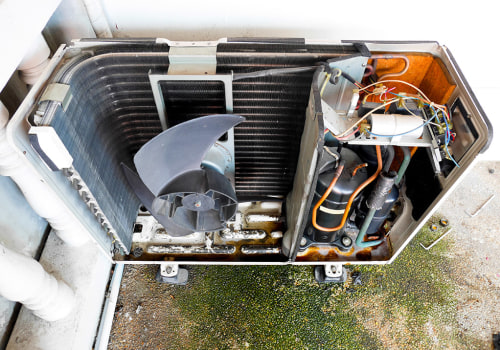
The Essential Guide to Regular Air Conditioner Maintenance: Why It Matters for Repair and Longevity
Discover the importance of regular air conditioner maintenance for efficiency, longevity, and avoiding costly repairs.
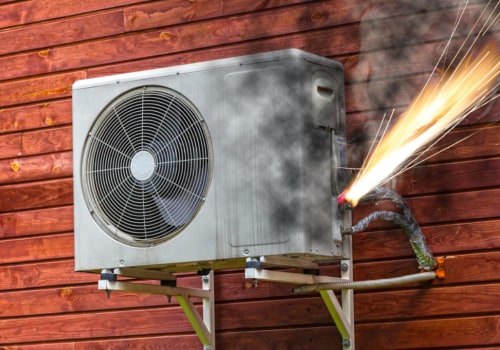
The Most Common Failures of HVAC Systems and How to Solve Them
Learn about the top problems that homeowners and businesses face with their HVAC systems and how to prevent or fix them. From dirty filters to overheating, find out how to keep your system running smoothly.

Understanding the Impact of HVAC Systems on Home Value: The Role of Air Conditioner Repair
Discover how HVAC systems, especially air conditioner repair, impact your home's value and marketability in today's real estate market.
The Essential First Step in Diagnosing Air Conditioning System Problems
Learn the essential first steps to diagnose air conditioning issues effectively and ensure your system runs smoothly all summer long.