When to Replace Your HVAC System: Key Signs and Considerations
Discover key signs that indicate when it's time to replace your HVAC system and avoid costly air conditioner repairs.
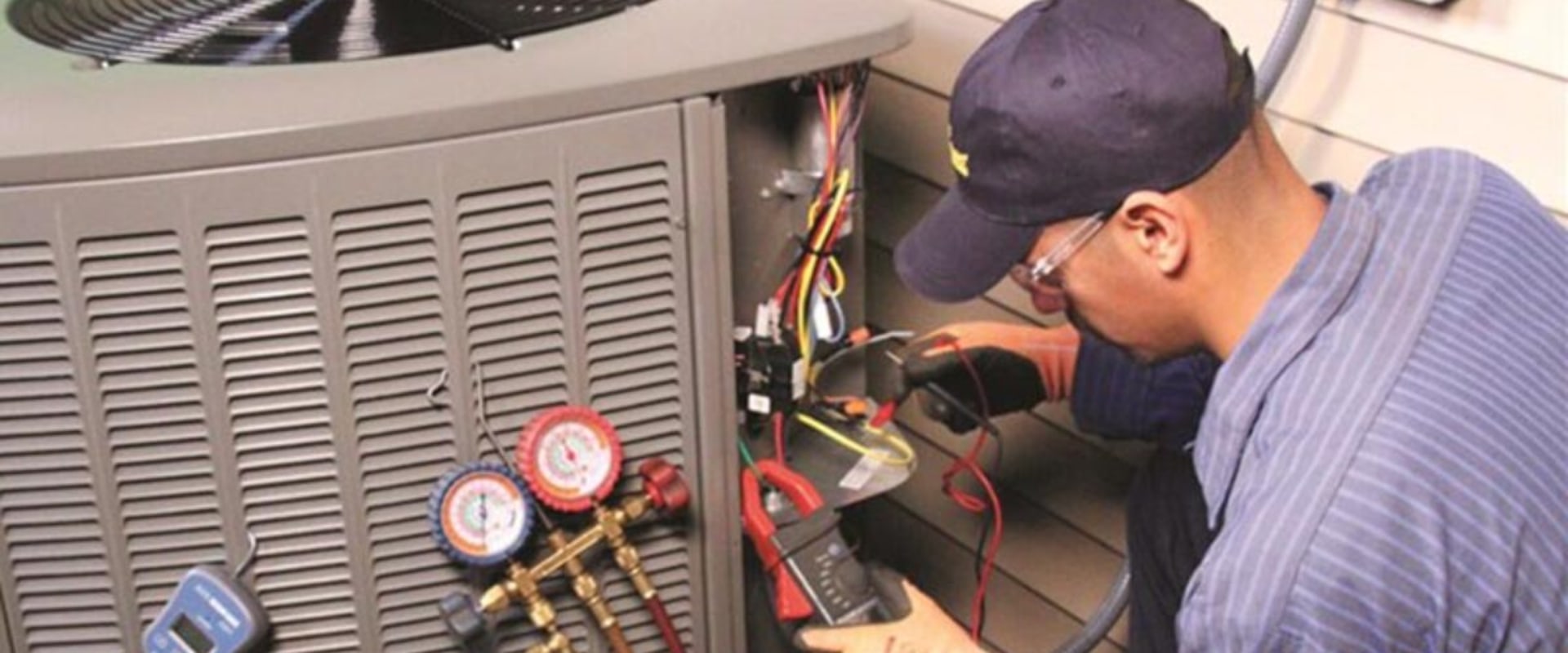
Understanding your HVAC system is crucial for maintaining a comfortable and healthy living environment. HVAC, which stands for heating, ventilation, and air conditioning, encompasses a range of technologies designed to regulate indoor temperature, humidity, and air quality. This system plays a vital role in ensuring that your home remains cozy during the winter months while providing a cool refuge in the sweltering heat of summer. By grasping the fundamentals of how your HVAC system operates, you can make informed decisions about its maintenance and when it might be time for an upgrade. At the heart of any HVAC system are its key components: the furnace or heater, the air conditioner, ductwork, and ventilation systems.
The furnace generates heat during colder months, while the air conditioner cools the air in warmer seasons. Ductwork serves as the pathway for conditioned air to flow throughout your home, ensuring that every room receives adequate heating or cooling. Additionally, proper ventilation is essential for maintaining good indoor air quality by allowing fresh air to circulate and reducing humidity levels. As your HVAC system ages or experiences wear and tear, it may require air conditioner repair or other maintenance services to keep it functioning efficiently. Understanding the signs that indicate your system is struggling can save you from costly repairs down the line.
For instance, if you notice uneven temperatures throughout your home or increased energy bills without a corresponding change in usage, these could be red flags that your HVAC system is not operating at peak performance. In this article, we will delve deeper into the indicators that suggest it may be time to replace your HVAC system. By recognizing these signs early on, you can avoid unexpected breakdowns and ensure that your home remains a comfortable sanctuary year-round.
Signs That Indicate It's Time for a Replacement
Deciding whether to replace your HVAC system can be challenging, but recognizing the signs that indicate a replacement is necessary can simplify the process. Here are some key indicators to consider:- Age of the System: One of the most significant factors is the age of your HVAC unit. If your system is over 10-15 years old, it may be time to start considering a replacement.
Older systems often use outdated refrigerants like R-22, which are no longer produced due to environmental regulations. This not only makes repairs more expensive but also less efficient.
- Increased Energy Bills: Have you noticed a spike in your energy bills? An aging or malfunctioning HVAC system can lead to higher energy consumption as it struggles to maintain comfortable temperatures. If your energy costs have risen significantly without any changes in usage, it might be time to evaluate your system's efficiency.
- Frequent Repairs: If you find yourself calling for air conditioner repair more often than usual, it could be a sign that your system is nearing the end of its lifespan. Spending money on frequent repairs can add up quickly and may exceed the cost of a new unit.
- Inconsistent Temperatures: Are certain rooms in your home warmer or cooler than others? Inconsistent heating or cooling can indicate that your HVAC system is struggling to distribute air evenly throughout your home.
This inefficiency can lead to discomfort and increased energy costs.
- Noisy Operation: Unusual noises such as banging, clanking, or hissing sounds coming from your HVAC unit can signal serious issues. While some noises may be minor, persistent or loud sounds often indicate that components are failing and may require replacement.
- Humidity Issues: An effective HVAC system should regulate humidity levels in your home. If you notice excessive humidity or dryness, it could mean that your system is not functioning properly and may need to be replaced.
The Age Factor: How Old is Too Old?
When it comes to HVAC systems, age is a critical factor that can significantly impact performance, efficiency, and overall comfort in your home.Understanding the average lifespan of these systems is essential for homeowners who want to make informed decisions about air conditioner repair or replacement. Typically, an HVAC system can last anywhere from 10 to 20 years, depending on various factors such as usage, maintenance, and the quality of the installation. Here’s a breakdown of what you can expect:
- 10-15 Years: Most air conditioning units begin to show signs of wear and tear around this age. You may notice decreased efficiency, higher energy bills, and more frequent repairs.
- 15-20 Years: At this stage, many systems are nearing the end of their operational life. If your HVAC system is over 15 years old and requires significant repairs, it may be more cost-effective to replace it rather than continue investing in repairs.
This decline in performance can lead to inconsistent temperatures throughout your living space. If you find yourself constantly adjusting the thermostat or dealing with hot and cold spots in different rooms, it may be time to consider a replacement. Moreover, older systems often use outdated refrigerants that are not only less efficient but also harmful to the environment. For instance, many units manufactured before 2010 use R-22 refrigerant, which has been phased out due to its ozone-depleting properties. Transitioning to a newer model that utilizes eco-friendly refrigerants can not only improve efficiency but also reduce your carbon footprint. In addition to performance issues, consider the financial implications of keeping an aging HVAC system.
As systems age, repair costs tend to increase. If you find yourself spending more on repairs than what you would pay for a new unit over time, it’s a clear indicator that replacement is the better option. Ultimately, while age is a significant factor in determining whether to repair or replace your HVAC system, it should be considered alongside other indicators such as performance issues and repair costs. Consulting with an HVAC professional can provide valuable insights tailored to your specific situation.
Rising Repair Costs: When Fixing Becomes Expensive
As your HVAC system ages, the likelihood of needing repairs increases. While occasional maintenance is expected, rising repair costs can be a significant indicator that it may be time to consider a replacement.Understanding when repairs become too expensive is crucial for homeowners looking to manage their budgets effectively. Common repairs can range from minor fixes to major overhauls. For instance, replacing a faulty thermostat might cost around $100 to $300, while fixing a refrigerant leak can set you back anywhere from $200 to $1,500, depending on the severity of the issue. If your air conditioning unit requires a new compressor, you could be looking at a bill of $1,500 to $2,500. These costs can quickly add up, especially if multiple repairs are needed within a short timeframe. When evaluating whether to repair or replace your HVAC system, consider the following:
- Age of the System: If your system is over 10 years old and requires frequent repairs, it may be more cost-effective to invest in a new unit rather than continue pouring money into an aging system.
- Frequency of Repairs: If you find yourself calling for repairs multiple times each season, it’s a clear sign that your system is struggling.
A good rule of thumb is the "$5,000 rule"—if your repair costs exceed 50% of the cost of a new system and your unit is over 10 years old, replacement is often the better option.
- Energy Efficiency: Older systems tend to be less efficient, leading to higher energy bills. If you’re spending significantly more on energy costs due to an inefficient unit, it may be time to consider an upgrade.
Efficiency and Performance Issues: Signs of Decline
As your HVAC system ages, one of the most noticeable changes is a decline in its efficiency and performance. This decline can manifest in various ways, often leading to increased energy bills and discomfort in your home.Understanding these signs is crucial for determining whether it’s time to consider a replacement.
Increased Energy Bills
One of the first indicators that your HVAC system may be struggling is a significant rise in your energy bills. If you notice that your monthly utility costs have increased without any corresponding change in usage patterns, it could be a sign that your air conditioning unit is working harder than it should. An inefficient system often has to run longer to achieve the desired temperature, leading to higher energy consumption.
Inconsistent Temperature Control
Another common issue is the inability to maintain a consistent temperature throughout your home. If certain rooms feel warmer or cooler than others, it may indicate that your HVAC system is losing its ability to distribute air effectively.
This inconsistency can be frustrating and uncomfortable, especially during extreme weather conditions.
Frequent Repairs
If you find yourself calling for air conditioner repair services more frequently, it’s a clear sign that your system is on its last legs. While minor repairs are normal, a pattern of recurring issues can indicate that the overall performance of your HVAC unit is declining. The cost of these repairs can quickly add up, making replacement a more economical option in the long run.
Unusual Noises
Pay attention to any strange noises coming from your HVAC system. Sounds such as grinding, squealing, or banging can indicate mechanical issues that may worsen over time.
These noises often signal that components are wearing out or failing, which can lead to decreased efficiency and performance.
Age of the System
The age of your HVAC system plays a significant role in its efficiency. Most systems have a lifespan of 10 to 15 years. If yours is approaching or exceeding this age, it’s likely becoming less efficient and more prone to performance issues. Investing in a new system can provide better energy efficiency and improved comfort levels.
In summary, if you’re experiencing increased energy bills, inconsistent temperatures, frequent repairs, unusual noises, or if your system is aging, it may be time to consider replacing your HVAC unit.
Addressing these efficiency and performance issues early can save you money and ensure a comfortable living environment.
Environmental Considerations: The Impact of Old Systems
As we become increasingly aware of our environmental footprint, the impact of older HVAC systems on the planet cannot be overlooked. Many homeowners may not realize that their aging heating and cooling units could be contributing to significant environmental harm. One of the primary concerns with older HVAC systems is the use of outdated refrigerants. Many systems manufactured before 2010 utilize R-22 , also known as Freon, which has been phased out due to its detrimental effects on the ozone layer. The production of R-22 has been banned in many countries, and as a result, the cost of this refrigerant has skyrocketed.Homeowners relying on these older systems may find themselves facing exorbitant repair costs just to maintain their units, all while contributing to environmental degradation. In addition to harmful refrigerants, older HVAC systems are often less energy-efficient than their modern counterparts. These systems can consume significantly more energy to operate, leading to higher utility bills and increased greenhouse gas emissions. According to the U. S.
Department of Energy, heating and cooling account for nearly half of a typical home's energy use. By continuing to operate an outdated system, homeowners not only pay more but also contribute to a larger carbon footprint. Fortunately, there are eco-friendly alternatives available for those considering a replacement. Modern HVAC systems are designed with energy efficiency in mind, often utilizing R-410A refrigerant, which has a much lower environmental impact compared to R-22. Additionally, many new units come equipped with advanced technology that allows for better temperature control and reduced energy consumption. Homeowners can also explore options such as geothermal heating and cooling , which harnesses the earth's natural temperature to regulate indoor climates efficiently. This renewable energy source not only reduces reliance on fossil fuels but also significantly lowers energy bills over time. In conclusion, if your HVAC system is aging and still using outdated refrigerants, it may be time to consider an upgrade.
Not only will you benefit from improved efficiency and lower costs, but you will also be making a positive impact on the environment by reducing harmful emissions and embracing more sustainable technologies.
Consulting a Professional: Getting Expert Advice
When contemplating whether to replace your HVAC system, seeking the guidance of a qualified HVAC professional can be invaluable. These experts possess the knowledge and experience necessary to evaluate your current system's performance and provide tailored recommendations based on your specific needs. During a consultation, you can expect the HVAC professional to conduct a thorough assessment of your system. This typically includes:- System Inspection: The technician will examine all components of your HVAC system, including the furnace, air conditioner, ductwork, and thermostat. They will look for signs of wear and tear, leaks, or any other issues that may affect efficiency.
- Performance Evaluation: The expert will assess how well your system is performing in terms of heating and cooling efficiency.
They may measure airflow, check refrigerant levels, and evaluate the overall comfort level in your home.
- Energy Efficiency Analysis: A professional will often analyze your energy bills to determine if your system is operating efficiently. They can identify whether high energy costs are due to an aging system or other factors.
- Recommendations for Repairs or Replacement: Based on their findings, the HVAC expert will provide you with options. If repairs are feasible and cost-effective, they will outline those solutions. However, if replacement is recommended, they will explain why it may be more beneficial in the long run.
These indicators often suggest that your system is struggling to meet your household's demands. Moreover, a professional can help you understand the latest advancements in HVAC technology. With options like high-efficiency systems and smart thermostats available today, you may find that investing in a new unit could lead to significant savings on energy costs while enhancing comfort. In summary, consulting an HVAC expert is a crucial step in determining whether it's time to replace your system. Their expertise not only helps you make informed decisions but also ensures that you invest wisely in a solution that meets your long-term needs.
Cost-Benefit Analysis: Weighing Replacement vs. Repair
When faced with the dilemma of whether to repair or replace your HVAC system, conducting a thorough cost-benefit analysis is essential.This process involves evaluating the financial implications of both options and considering the long-term benefits of each choice. Start by assessing the current condition of your HVAC system. If your unit is relatively new and has only minor issues, repairs may be the most cost-effective solution. However, if your system is over ten years old and requires frequent repairs, it might be time to consider a replacement.
Evaluating Repair Costs
Begin by gathering estimates for necessary repairs. Common issues that may arise include:- Refrigerant leaks
- Compressor failures
- Electrical problems
- Thermostat malfunctions
A good rule of thumb is to consider the 50% rule : if the cost of repairs exceeds 50% of the price of a new unit, replacement may be the wiser choice.
Long-Term Savings and Efficiency
Another critical factor in your decision-making process is energy efficiency. Older HVAC systems often operate at lower efficiency levels, leading to higher utility bills. Newer models are designed to be more energy-efficient, which can result in significant savings over time. Consider the following:- Energy Star Ratings: Look for units with high Energy Star ratings, which indicate better efficiency.
- Potential Rebates: Many utility companies offer rebates for upgrading to energy-efficient systems.
- Maintenance Costs: New systems typically require less maintenance than older ones, further reducing long-term costs.
A new HVAC system can provide consistent heating and cooling, improving your overall quality of life. Ultimately, the decision to repair or replace your HVAC system should be based on a comprehensive evaluation of costs, benefits, and personal circumstances. Consulting with an HVAC professional can also provide valuable insights tailored to your specific situation.
Conclusion: Making the Right Decision for Your Home Comfort
Deciding whether to replace your HVAC system is a significant choice that can impact your home’s comfort, energy efficiency, and overall costs. Throughout this article, we have explored various indicators that suggest it may be time to consider a replacement rather than continuing with costly air conditioner repair. Understanding these signs is crucial for making an informed decision. First and foremost, the age of your HVAC system plays a pivotal role in this decision-making process.Systems that are over ten years old often struggle to maintain efficiency and may require frequent repairs. As we discussed, if your unit is using outdated refrigerants like R-22, it not only poses environmental concerns but also indicates that you might be better off investing in a modern, more efficient system. Additionally, if you find yourself constantly adjusting the thermostat to achieve a comfortable temperature or if certain rooms in your home are consistently too hot or too cold, these are clear signs that your HVAC system may no longer be up to the task. The inability to maintain consistent temperatures can lead to increased energy bills and discomfort for you and your family. Moreover, consider the financial aspect of ongoing repairs versus the cost of a new system. If you’re spending a significant amount on repairs—especially if they exceed 50% of the cost of a new unit—it’s time to weigh the long-term benefits of replacement against short-term fixes. In conclusion, making the right decision regarding your HVAC system requires careful consideration of its age, efficiency, repair costs, and your comfort needs.
Consulting with an HVAC professional can provide valuable insights tailored to your specific situation. Ultimately, investing in a new system can enhance your home’s comfort while reducing energy costs and environmental impact.
More articles
Essential Tips to Extend the Lifespan of Your HVAC System
Discover essential tips to maximize the lifespan of your HVAC system and reduce air conditioner repair costs. Learn more now!
Understanding the Lifespan of HVAC Systems: Key Factors and Maintenance Tips
Discover how long HVAC systems last and learn essential maintenance tips to extend their lifespan and improve efficiency.
The Essential Guide to Regular Air Conditioner Maintenance: Why It Matters for Repair and Longevity
Discover the importance of regular air conditioner maintenance for efficiency, longevity, and avoiding costly repairs.
Is It Worth Investing in a New AC Unit? A Comprehensive Guide to Air Conditioner Repair and Replacement
Explore whether it's worth investing in a new AC unit or opting for air conditioner repair. Discover key factors and benefits for your home.