Understanding the Top Reasons for HVAC System Failures and How to Avoid Them
Discover the top reasons for HVAC system failures and learn how to prevent costly air conditioner repairs with our expert tips.
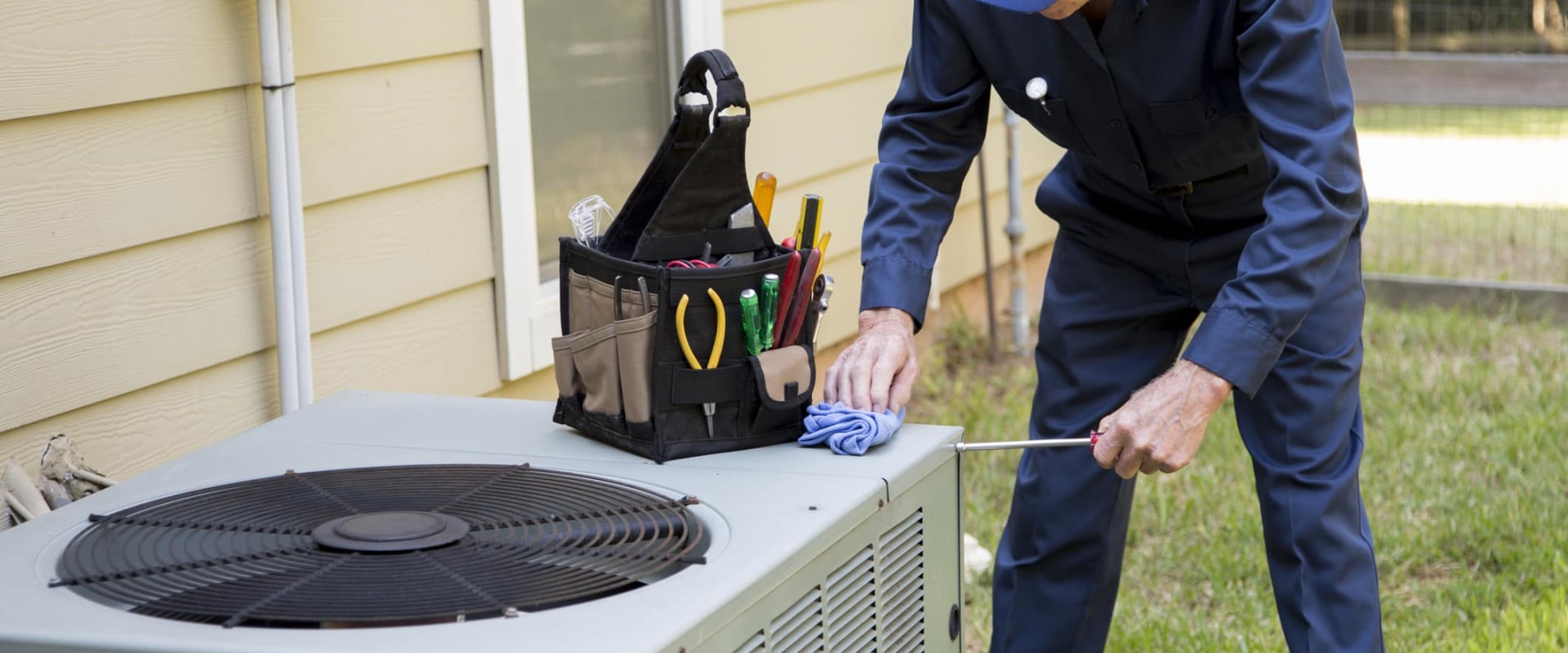
Understanding the intricacies of HVAC system failures is crucial for homeowners and business operators alike. These systems are designed to provide comfort by regulating temperature and air quality, but when they malfunction, the consequences can be both uncomfortable and costly. Recognizing the common issues that lead to air conditioner repair can help you take proactive measures to maintain your system and avoid unexpected breakdowns. Many people underestimate the importance of regular maintenance, often waiting until a problem arises before seeking help. However, being aware of potential HVAC system failures can empower you to act before minor issues escalate into major repairs.
For instance, a simple task like changing an air filter can significantly enhance your system's efficiency and longevity. Neglecting this task can lead to reduced airflow, increased energy consumption, and ultimately, a system failure. In addition to routine maintenance, understanding the signs of HVAC issues is essential. Common symptoms such as unusual noises, inconsistent temperatures, or increased energy bills can indicate underlying problems that require immediate attention. By familiarizing yourself with these warning signs, you can ensure that your HVAC system operates smoothly and efficiently, providing a comfortable environment year-round. In this article, we will delve deeper into the top reasons for HVAC system failures, exploring how these issues arise and what steps you can take to prevent them.
By arming yourself with knowledge about common HVAC issues, you can save money on air conditioner repair costs and maintain a comfortable living or working space.
Common Causes of HVAC System Failures
Understanding the common causes of HVAC system failures is crucial for homeowners and business owners alike. By identifying these issues early, you can prevent costly repairs and ensure your system operates efficiently. Here are some of the most frequent reasons for HVAC failures:- Dirty Air Filters: One of the simplest yet most impactful issues is a dirty air filter. When filters become clogged with dust and debris, they restrict airflow, causing the system to work harder than necessary.
This can lead to overheating and eventual failure. Regularly changing your air filter every month can significantly enhance your system's performance.
- Refrigerant Leaks: Refrigerant is essential for cooling your home. If your air conditioner is low on refrigerant, it may indicate a leak in the system. Not only does this reduce efficiency, but it can also lead to compressor failure if not addressed promptly.
If you find yourself frequently adding refrigerant, it’s time to call a professional for an inspection.
- Thermostat Issues: A malfunctioning thermostat can cause your HVAC system to operate inefficiently or not at all. If your thermostat is not accurately reading the temperature or is unresponsive, it may need recalibration or replacement. Regular checks can help ensure that your thermostat is functioning correctly.
- Electrical Problems: Electrical issues, such as faulty wiring or blown fuses, can lead to significant HVAC failures. These problems can prevent your system from turning on or cause it to shut down unexpectedly.
It’s advisable to have a qualified technician inspect your electrical components during routine maintenance.
- Lack of Maintenance: Just like any other mechanical system, HVAC units require regular maintenance to function optimally. Neglecting routine check-ups can lead to a buildup of dirt and grime, which can cause various problems over time. Scheduling annual maintenance checks can help catch potential issues before they escalate.
Dirty Air Filters: A Major Culprit
One of the most significant yet often overlooked factors contributing to HVAC system failures is the condition of the air filter.A dirty air filter can have a cascading effect on your air conditioning system, leading to inefficiencies and potential breakdowns. When an air filter becomes clogged with dust, dirt, and other debris, it restricts airflow to the evaporator coil. This restriction can cause the coil to become excessively cold, leading to ice formation. As a result, the system may struggle to cool your home effectively, forcing it to work harder and consume more energy. This not only increases your utility bills but also accelerates wear and tear on the system. Moreover, a dirty air filter can lead to:
- Reduced Indoor Air Quality: A clogged filter fails to trap allergens and pollutants, allowing them to circulate throughout your home.
This can exacerbate respiratory issues and allergies.
- Increased Risk of System Failure: The strain placed on the HVAC system due to restricted airflow can lead to overheating and eventual component failure, necessitating costly air conditioner repair.
- Shortened Lifespan of Equipment: Regularly changing your air filter can extend the life of your HVAC system. Neglecting this simple maintenance task can lead to premature breakdowns.
- Monthly Checks: Inspect your air filter at least once a month. If it appears dirty or clogged, replace it immediately.
- Choose the Right Filter: Select filters that are appropriate for your system and home environment.
High-efficiency filters may be beneficial for those with allergies.
- Professional Maintenance: Schedule annual HVAC inspections with a qualified technician who can assess not only the filters but also other components of your system.
Refrigerant Leaks: Signs and Solutions
Refrigerant leaks are a significant concern for any HVAC system, as they can severely impact the efficiency and effectiveness of your air conditioning unit. Understanding the signs of refrigerant issues is crucial for timely air conditioner repair and maintaining a comfortable indoor environment.Identifying Signs of Refrigerant Leaks
- Inadequate Cooling: One of the first signs of a refrigerant leak is a noticeable decrease in cooling performance. If your air conditioner is running but not effectively cooling your space, it may be low on refrigerant due to a leak.
- Ice Formation: If you notice ice forming on the evaporator coils or refrigerant lines, this could indicate that the refrigerant level is too low.
The lack of sufficient refrigerant can cause the coils to freeze, leading to further complications.
- Unusual Hissing or Bubbling Sounds: A refrigerant leak may produce hissing or bubbling noises as the gas escapes from the system. If you hear these sounds, it’s essential to investigate further.
- Increased Energy Bills: If your energy bills have spiked unexpectedly, it could be due to your air conditioner working harder to compensate for the lack of refrigerant. This inefficiency can lead to higher operational costs.
- Oil Stains: Refrigerant leaks can sometimes be accompanied by oil stains around the unit. If you see any oily residue near your air conditioning system, it may indicate a refrigerant leak.
Steps for Repairing Refrigerant Leaks
If you suspect a refrigerant leak, it’s crucial to act quickly.
Here are the steps you should take:
- Contact a Professional: Attempting to repair refrigerant leaks without proper training can be dangerous and illegal in some areas. Always contact a licensed HVAC technician who can safely handle refrigerants.
- Leak Detection: A professional will use specialized tools to locate the source of the leak. This may involve using electronic leak detectors or UV dye to pinpoint the issue.
- Repair or Replace Components: Depending on the severity of the leak, the technician may need to repair or replace damaged components such as coils or fittings.
- Recharge the System: After repairs are made, the technician will recharge your system with the appropriate amount of refrigerant, ensuring optimal performance.
- Regular Maintenance: To prevent future leaks, schedule regular maintenance checks for your HVAC system. This proactive approach can help identify potential issues before they escalate into costly repairs.
By being vigilant about signs of refrigerant issues and seeking timely air conditioner repair, you can ensure a comfortable and healthy indoor environment.
Thermostat Issues: The Control Center of Your HVAC System
The thermostat serves as the brain of your HVAC system, regulating the temperature and ensuring that your home remains comfortable throughout the year. However, when thermostat issues arise, they can lead to significant problems with heating and cooling, often resulting in the need for air conditioner repair. Understanding common thermostat malfunctions can help you troubleshoot and resolve these issues effectively.Common Thermostat Problems
- Incorrect Temperature Readings: One of the most frequent issues is inaccurate temperature readings. If your thermostat is not calibrated correctly, it may cause your HVAC system to run longer than necessary or not at all.
This can lead to discomfort and increased energy bills.
- Unresponsive Thermostat: Sometimes, a thermostat may become unresponsive due to dead batteries or electrical issues. If you notice that your thermostat isn’t displaying any information or responding to adjustments, check the power source first.
- Wiring Issues: Faulty wiring can disrupt communication between the thermostat and the HVAC system. This can result in erratic behavior, such as the system turning on and off unexpectedly or failing to respond to temperature changes.
- Location Problems: The placement of your thermostat can significantly impact its performance. If it’s located near heat sources like windows or appliances, it may not accurately reflect the room’s temperature, leading to improper heating or cooling.
Troubleshooting Tips
If you suspect that your thermostat is malfunctioning, consider these troubleshooting steps:- Check the Batteries: If you have a battery-operated thermostat, replace the batteries to see if that resolves the issue.
- Inspect Wiring Connections: Turn off power to your HVAC system and check for loose or damaged wires connected to the thermostat.
- Recalibrate Your Thermostat: Consult your user manual for instructions on how to recalibrate your thermostat for accurate readings.
- Relocate the Thermostat: If possible, move the thermostat to a more central location away from heat sources to improve its accuracy.
Regular maintenance of your HVAC system, including checking the thermostat functionality, can help prevent these issues from arising in the first place.
Electrical Failures: The Hidden Threats
When it comes to HVAC systems, electrical failures are often overlooked as a potential cause of malfunction. However, these issues can be just as detrimental as mechanical failures, leading to costly air conditioner repair and even complete system breakdowns. Understanding the common electrical problems that can affect your HVAC system is crucial for maintaining its efficiency and longevity.Common Electrical Issues in HVAC Systems
- Tripped Circuit Breakers: One of the most frequent electrical issues is a tripped circuit breaker. This can occur due to an overload in the system or a short circuit.
If your air conditioner frequently trips the breaker, it may indicate a deeper electrical problem that requires professional attention.
- Faulty Thermostat: The thermostat acts as the brain of your HVAC system, regulating temperature and controlling when the system turns on and off. A malfunctioning thermostat can lead to inconsistent temperatures and increased energy bills. Regular checks and calibrations can help ensure its proper functioning.
- Wiring Problems: Over time, wiring can become frayed or damaged due to wear and tear or exposure to moisture. This not only affects the performance of your HVAC system but also poses a fire hazard.
Regular inspections by a qualified technician can help identify and rectify these issues before they escalate.
- Capacitor Failures: Capacitors are essential components that store electrical energy and help start the compressor and fan motors. If a capacitor fails, it can prevent your air conditioner from starting altogether, leading to uncomfortable indoor temperatures during peak heat.
The Importance of Professional Inspections
Given the complexity of electrical systems within HVAC units, it is vital to schedule regular professional inspections. Technicians are trained to identify potential electrical issues that may not be apparent to the average homeowner. They can perform necessary maintenance tasks such as tightening connections, replacing worn-out components, and ensuring that all electrical parts are functioning correctly. Neglecting electrical maintenance can lead to more severe problems down the line, including complete system failure or even safety hazards like electrical fires.
By investing in routine inspections and addressing any identified issues promptly, you can save yourself from expensive air conditioner repair costs and ensure your HVAC system operates efficiently for years to come.
Mechanical Failures: Understanding Component Breakdowns
Mechanical failures in HVAC systems are often the result of prolonged use and inadequate maintenance. Understanding these failures is crucial for homeowners and business owners alike, as they can lead to costly air conditioner repair and significant discomfort during extreme weather conditions. One of the most common mechanical failures occurs in the compressor. The compressor is responsible for circulating refrigerant throughout the system, and if it fails, the entire cooling process is disrupted. Common signs of a failing compressor include unusual noises, overheating, or a complete lack of cooling.Regular maintenance, such as checking electrical connections and ensuring proper lubrication, can help extend the life of this vital component. Another frequent issue arises from worn-out fan motors. The fan plays a critical role in moving air across the evaporator and condenser coils. If the fan motor begins to fail, it can lead to inadequate airflow, causing the system to work harder than necessary. This not only increases energy consumption but also accelerates wear on other components.
Homeowners should listen for any strange sounds coming from the fan and schedule maintenance if they notice any irregularities. Additionally, issues with the blower assembly can lead to significant problems. The blower is responsible for distributing conditioned air throughout your home or building. If it becomes obstructed or damaged, it can result in uneven temperatures and increased energy bills. Regularly cleaning the blower and ensuring that there are no blockages in the ductwork can prevent these issues from escalating. Lastly, leaks in refrigerant lines can also be classified as mechanical failures.
These leaks not only reduce efficiency but can also lead to compressor failure if not addressed promptly. If you find yourself frequently needing air conditioner repair due to low refrigerant levels, it’s essential to have a professional inspect your system for leaks. In conclusion, understanding mechanical failures within HVAC systems is vital for maintaining efficiency and comfort. Regular maintenance checks can help identify potential issues before they escalate into costly repairs, ensuring that your system operates smoothly throughout its lifespan.
Improper Installation: A Recipe for Disaster
When it comes to HVAC systems, the importance of proper installation cannot be overstated. An improperly installed air conditioning unit can lead to a myriad of issues that not only affect the system's efficiency but also its longevity.Many homeowners underestimate the significance of professional installation, often opting for DIY methods or hiring unqualified technicians, which can result in costly air conditioner repair down the line. One of the most common mistakes made during HVAC installation is incorrect sizing of the unit. An air conditioner that is too small will struggle to cool the space effectively, leading to overworking and premature wear. Conversely, a unit that is too large will cycle on and off frequently, causing temperature fluctuations and increased energy consumption. To avoid these issues, it is crucial to have a professional perform a load calculation to determine the appropriate size for your home. Another frequent error is improper placement of the outdoor unit.
If the unit is installed in a location that restricts airflow or exposes it to excessive sunlight, its efficiency can be severely compromised. Additionally, inadequate insulation and sealing around ductwork can lead to significant energy loss, making your system work harder than necessary. Furthermore, failing to follow manufacturer guidelines during installation can void warranties and lead to operational failures. Each HVAC system comes with specific requirements regarding installation procedures, and neglecting these can result in serious malfunctions. To ensure a successful installation, consider the following tips:
- Hire Qualified Professionals: Always choose licensed and experienced HVAC technicians who understand local codes and regulations.
- Conduct a Thorough Assessment: A professional should evaluate your home’s layout and insulation before recommending an HVAC system.
- Follow Manufacturer Instructions: Adhere strictly to the guidelines provided by the manufacturer for optimal performance.
- Schedule Regular Maintenance: After installation, regular check-ups can help identify potential issues before they escalate into major repairs.
Seasonal Maintenance: Preventing Future Failures
To ensure your HVAC system operates at peak efficiency and to minimize the risk of unexpected failures, seasonal maintenance is crucial.Regular upkeep not only extends the lifespan of your air conditioning unit but also enhances its performance, leading to lower energy bills and improved indoor air quality. Here are some essential seasonal maintenance tasks that homeowners should prioritize:
- Change Air Filters: One of the simplest yet most effective maintenance tasks is changing your air filters regularly. Clogged filters restrict airflow, causing your system to work harder and potentially leading to breakdowns. Aim to replace or clean your filters every 1-3 months, depending on usage and filter type.
- Inspect Ductwork: Over time, ducts can accumulate dust, debris, and even develop leaks. Inspecting your ductwork for any signs of damage or blockages can prevent airflow issues.
Consider scheduling a professional duct cleaning every few years to maintain optimal airflow.
- Clean the Outdoor Unit: The outdoor condenser unit should be free from debris such as leaves, dirt, and grass clippings. Regularly check and clean the area around the unit to ensure proper airflow. Additionally, gently rinse the fins with a garden hose to remove any built-up grime.
- Check Refrigerant Levels: Low refrigerant levels can indicate a leak in the system. If you notice that your air conditioner is not cooling effectively, it’s essential to have a professional check the refrigerant levels and repair any leaks promptly.
- Test Thermostat Functionality: Ensure that your thermostat is functioning correctly by testing it before the peak season.
If you have a programmable thermostat, review its settings to optimize energy use during different times of the day.
- Schedule Professional Maintenance: While DIY tasks are important, nothing beats a thorough inspection by a qualified HVAC technician. Schedule annual maintenance visits in spring and fall to ensure all components are functioning correctly and efficiently.
<strong>FAQs about HVAC System Failures</strong>
When it comes to HVAC system failures, many homeowners have questions about the causes, prevention, and solutions. Here are some frequently asked questions that can help clarify common concerns regarding air conditioner repair.What are the most common causes of HVAC system failures?
Several factors can lead to HVAC system failures, including:- Dirty air filters: Clogged filters restrict airflow, causing the system to work harder and potentially freeze up.
- Refrigerant leaks: Insufficient refrigerant can hinder cooling efficiency and lead to compressor damage.
- Electrical issues: Faulty wiring or malfunctioning components can disrupt the system's operation.
- Lack of maintenance: Regular inspections and tune-ups are essential for identifying potential problems before they escalate.
How can I prevent HVAC system failures?
Preventive measures can significantly reduce the risk of HVAC failures:- Regular maintenance: Schedule annual inspections with a qualified technician to ensure your system is running efficiently.
- Change air filters: Replace filters every 1-3 months to maintain proper airflow and indoor air quality.
- Monitor refrigerant levels: Keep an eye on refrigerant levels and address any leaks promptly.
- Keep outdoor units clear: Ensure that the area around your outdoor unit is free from debris and vegetation.
What should I do if my HVAC system fails?
If you experience a failure, follow these steps:- Turn off the system: To prevent further damage, switch off your HVAC unit immediately.
- Check for simple issues: Inspect air filters, circuit breakers, and thermostat settings for any obvious problems.
- Contact a professional: If the issue persists, reach out to a licensed HVAC technician for a thorough diagnosis and repair.
More articles
Why Replacing Your HVAC System Before 2023 is a Smart Move
Discover why replacing your HVAC system before 2023 is essential for efficiency, comfort, and cost savings. Learn the signs and options available.
When to Replace Your HVAC System: Key Signs and Considerations
Discover key signs that indicate when it's time to replace your HVAC system and avoid costly air conditioner repairs.
When is the Best Time to Replace Your HVAC System? A Comprehensive Guide
Discover when to replace your HVAC system and learn about signs, costs, and energy efficiency for optimal home comfort.
Understanding the Impact of Global Supply Chain and Inflation on HVAC Prices in 2023: A Focus on Air Conditioner Repair
Explore how global supply chain issues and inflation are affecting HVAC prices and air conditioner repair costs in 2023.