Expert Tips for Diagnosing Air Conditioner Problems: A Comprehensive Guide to Air Conditioner Repair
Learn expert tips for diagnosing air conditioner problems and ensure efficient air conditioner repair with our comprehensive guide.
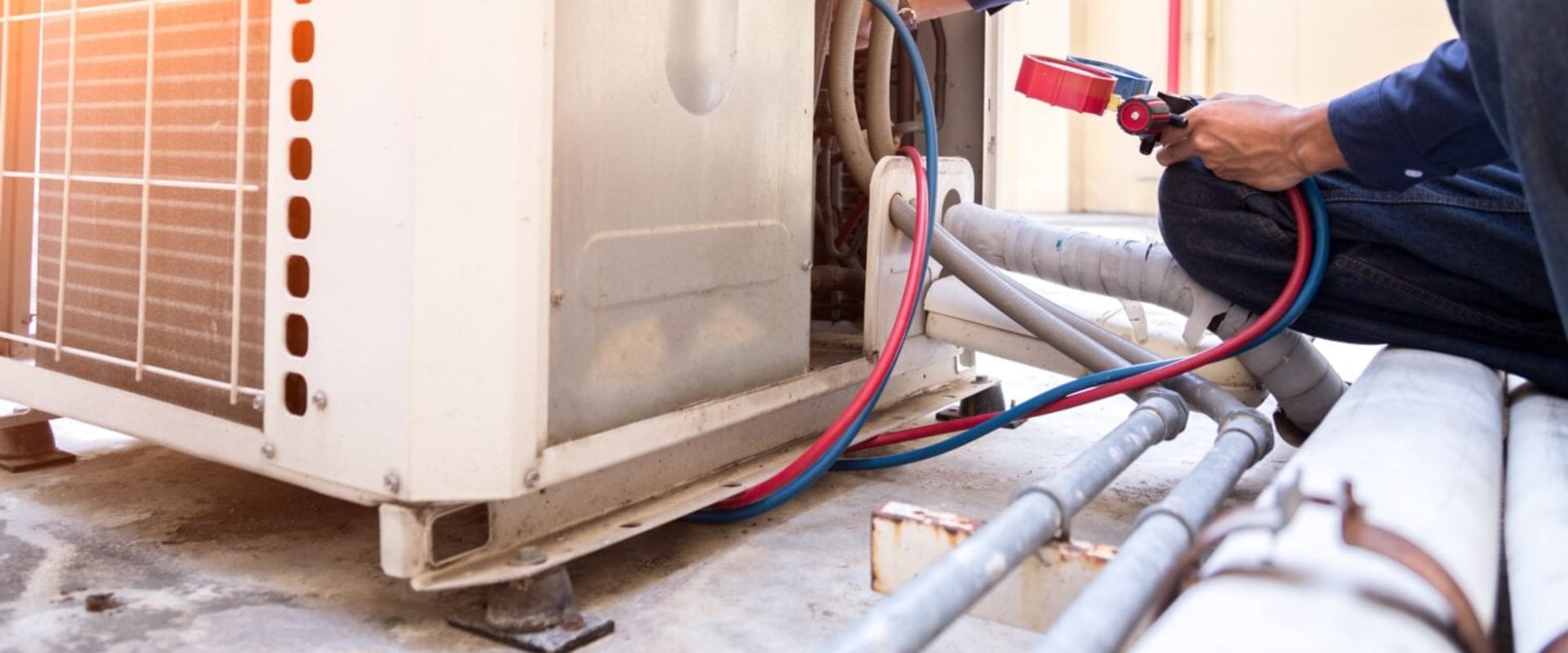
When the sweltering heat of summer arrives, the last thing you want is for your air conditioner to falter. Understanding the common air conditioner problems that can arise is crucial for any homeowner. From minor inconveniences to major malfunctions, these issues can disrupt your comfort and lead to costly repairs if not addressed promptly. In this section, we will explore the typical challenges faced by air conditioning systems, providing you with a solid foundation for diagnosing and resolving these problems. One of the most frequent issues is inadequate cooling.
If your air conditioner is running but failing to cool your home effectively, it could be due to a variety of factors such as a dirty air filter, low refrigerant levels, or even a malfunctioning compressor. Each of these problems can significantly impact the efficiency of your unit, leading to increased energy bills and discomfort. Additionally, strange noises or unpleasant odors emanating from your system can indicate underlying issues that require immediate attention. Another common concern is the presence of water leaks around your air conditioning unit. This can be caused by a clogged drain line or a damaged condensate pump, both of which can lead to water damage in your home if left unchecked.
Furthermore, electrical issues such as tripped circuit breakers or faulty wiring can prevent your system from operating altogether. Recognizing these signs early on is essential for effective air conditioner repair. By familiarizing yourself with these prevalent air conditioner issues, you will be better equipped to identify problems as they arise. This proactive approach not only helps in maintaining the longevity of your system but also ensures that you remain comfortable during those hot summer months. In the following sections, we will delve deeper into specific diagnostic techniques and solutions for each of these common air conditioning challenges.
Step-by-Step Guide to Diagnosing Air Conditioner Problems
Diagnosing air conditioner problems can seem overwhelming, but with a systematic approach, you can identify and potentially resolve many issues on your own.Here’s a step-by-step guide to help you troubleshoot common air conditioning problems effectively.
- Check the Thermostat Settings
Start by ensuring that your thermostat is set to the correct temperature and mode. If it’s set to heating instead of cooling, your air conditioner won’t activate. Also, check if the thermostat is receiving power; a blank display may indicate dead batteries or an electrical issue. - Inspect the Air Filter
A clogged or dirty air filter can significantly hinder airflow and efficiency. Remove the filter and inspect it for dirt and debris.If it appears dirty, replace it with a new one. Regularly changing your air filter every 1-3 months can prevent many issues.
- Examine the Circuit Breaker
Locate your home’s electrical panel and check if the circuit breaker for the air conditioning unit has tripped. If it has, reset it and see if the unit starts working again. If it trips again, there may be an underlying electrical issue that requires professional attention. - Inspect the Outdoor Unit
Ensure that the outdoor condenser unit is free from obstructions such as leaves, dirt, or debris.Clear away any blockages to allow for proper airflow. Additionally, check for visible signs of damage or wear that could affect performance.
- Check for Ice Buildup
If you notice ice forming on the evaporator coils or refrigerant lines, this could indicate low refrigerant levels or airflow issues. Turn off the unit and allow it to thaw completely before attempting further diagnosis. - Listen for Unusual Noises
Pay attention to any strange sounds coming from your air conditioner, such as grinding, squealing, or rattling. These noises can indicate mechanical problems that may require professional repair. - Assess Airflow from Vents
Check all vents in your home to ensure they are open and unobstructed.Poor airflow can result from blocked ducts or closed vents, leading to uneven cooling throughout your space.
Checking the Air Filter: The First Line of Defense
One of the most critical aspects of air conditioner repair is ensuring that your air filter is clean and well-maintained. The air filter serves as the first line of defense against dust, dirt, and other airborne particles that can infiltrate your system. A dirty air filter not only hampers the efficiency of your air conditioning unit but can also lead to a host of other problems.Symptoms of a Dirty Air Filter
- Reduced Airflow: If you notice that the airflow from your vents is weak, it could be a sign that your air filter is clogged with debris.
- Increased Energy Bills: A dirty filter forces your air conditioner to work harder to circulate air, leading to higher energy consumption and increased utility bills.
- Unpleasant Odors: Accumulated dust and mold in a dirty filter can produce musty smells that circulate throughout your home.
- Frequent System Cycling: If your air conditioner frequently turns on and off, it may be struggling due to restricted airflow caused by a dirty filter.
How to Check Your Air Filter
Checking your air filter is a straightforward process that can be done in just a few minutes.
Here’s how:
- Locate the Filter: The air filter is typically found in the return air duct or near the blower compartment of your unit. Refer to your owner’s manual if you’re unsure where to find it.
- Inspect the Filter: Remove the filter from its slot and hold it up to a light source. If you can’t see light passing through, it’s time for a replacement.
- Check for Damage: Look for any tears or holes in the filter material. A damaged filter will not effectively trap particles and should be replaced immediately.
- Clean or Replace: Depending on the type of filter you have, you may be able to clean it with water or a vacuum.
However, disposable filters should be replaced every 1-3 months, depending on usage.
Thermostat Troubles: Ensuring Proper Settings and Functionality
The thermostat is a crucial component of your air conditioning system, acting as the control center that regulates temperature and comfort levels in your home. When issues arise with the thermostat, they can significantly impact the performance of your air conditioner, leading to discomfort and increased energy costs. Understanding common thermostat problems and how to troubleshoot them is essential for effective air conditioner repair.Common Thermostat Issues
- Incorrect Settings: One of the most frequent issues is simply having the thermostat set incorrectly.
Ensure that it is set to the desired cooling temperature and that it is in cooling mode. If you have a programmable thermostat, check that the schedule is set correctly.
- Dead Batteries: Many modern thermostats are battery-operated. If your thermostat is unresponsive, it may be due to dead batteries. Replace them and see if functionality returns.
- Dirty Sensors: Dust and debris can accumulate on the thermostat sensors, affecting their ability to read the room temperature accurately.
Regular cleaning can help maintain optimal performance.
- Wiring Issues: Loose or damaged wiring can prevent the thermostat from communicating effectively with your air conditioning unit. Inspect the wiring for any visible signs of wear or disconnection.
- Location Problems: The placement of your thermostat can also affect its performance. If it’s located near heat sources like windows or appliances, it may not provide an accurate reading of the room temperature.
Troubleshooting Thermostat Problems
If you suspect that your thermostat is malfunctioning, follow these troubleshooting steps:
- Check Settings: Verify that the thermostat is set to cooling mode and that the desired temperature is correctly programmed.
- Replace Batteries: If applicable, replace the batteries in your thermostat to ensure it has sufficient power.
- Clean the Thermostat: Gently clean any dust or debris from the thermostat’s surface and sensors using a soft cloth.
- Inspect Wiring: Turn off power to the unit and check for any loose or damaged wires connected to the thermostat.
- Reposition if Necessary: If you find that your thermostat is poorly placed, consider relocating it to a more central location away from heat sources.
Inspecting Electrical Components: Circuit Breakers and Wiring
When diagnosing air conditioner problems, one of the most critical areas to inspect is the electrical components, particularly the circuit breakers and wiring.Electrical issues can lead to significant system failures, and understanding how to troubleshoot these components can save you time and money.
Circuit Breaker Troubleshooting
The circuit breaker acts as a safety mechanism for your air conditioning system. If the breaker trips, it indicates that there is an overload or a short circuit somewhere in the system. Here are steps to troubleshoot your circuit breaker:
- Locate the Circuit Breaker Panel: This is usually found in a utility room, basement, or garage. Familiarize yourself with which breaker corresponds to your air conditioning unit.
- Check for Tripped Breakers: If the breaker for your AC unit is in the 'off' position or is tripped, reset it by flipping it back to the 'on' position.
If it trips again immediately, this indicates a deeper issue.
- Inspect for Overloads: Consider whether other appliances are running on the same circuit. If so, try turning them off to see if that resolves the issue.
- Look for Signs of Damage: Inspect the breaker itself for any signs of burning or damage. If you notice any abnormalities, it may need replacement.
AC Wiring Problems
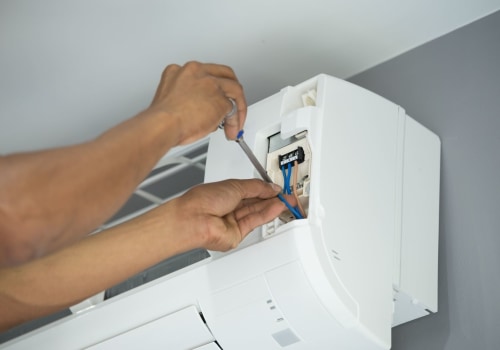
If your circuit breaker is functioning correctly but your air conditioner still isn’t working, the next step is to examine the wiring. Faulty wiring can lead to poor performance or complete system failure.
Here’s how to check for wiring issues:
- Visual Inspection: Look for any visible signs of wear and tear on the wires connected to your AC unit. Frayed wires or exposed copper can be dangerous and should be addressed immediately.
- Check Connections: Ensure that all connections are tight and secure. Loose connections can cause intermittent power loss.
- Test Voltage: If you have a multimeter, you can test the voltage at various points in the wiring system. This will help identify if there are any drops in voltage that could indicate a problem.
- Consult a Professional: If you’re not comfortable working with electrical components or if you suspect a serious issue, it’s best to call a licensed electrician or HVAC technician.
Regular maintenance and awareness of your air conditioning system's electrical health are essential for optimal performance.
Outdoor Unit Maintenance: Keeping Your AC Unit Clear
Maintaining the outdoor unit of your air conditioning system is crucial for ensuring optimal performance and longevity. The outdoor unit, often referred to as the condenser, plays a vital role in the cooling process by expelling heat absorbed from your home. However, it is susceptible to various forms of obstruction that can hinder its efficiency.Debris and Vegetation
One of the most common issues affecting outdoor units is the accumulation of debris such as leaves, twigs, and dirt. Over time, this debris can block the airflow necessary for the unit to function effectively.
Additionally, vegetation like shrubs and grass can grow too close to the unit, further restricting airflow. It is essential to maintain a clear zone around your outdoor AC unit:
- Keep at least two feet of clearance around the unit.
- Regularly trim any nearby plants or bushes.
- Remove any fallen leaves or debris that may have collected on or around the unit.
Signs of Outdoor Unit Problems
Being vigilant about the condition of your outdoor unit can help you catch potential problems early. Here are some signs that may indicate your outdoor AC unit requires attention:
- Unusual Noises: If you hear clanking, buzzing, or grinding sounds coming from the unit, it could signal a mechanical issue.
- Reduced Cooling Efficiency: If your home is not cooling down as it should, it may be due to airflow restrictions caused by debris.
- Visible Damage: Look for signs of rust, dents, or other physical damage on the unit that could affect its operation.
- Ice Buildup: If you notice ice forming on the coils or fins of the outdoor unit, this could indicate a refrigerant leak or airflow problem.
Cleaning Your Outdoor Unit
Regular cleaning of your outdoor AC unit is an essential part of maintenance. Here are some steps you can take to keep it in good condition:
- Turn Off Power: Before cleaning, ensure that the power to the unit is turned off to avoid any electrical hazards.
- Remove Debris: Clear away any leaves, dirt, or other debris from around and on top of the unit.
- Wash Fins and Coils: Use a soft brush or cloth to gently clean the fins and coils.
Avoid using a pressure washer as it can bend the fins.
- Check Drainage: Ensure that the drainage holes are clear to prevent water buildup.
Ventilation Checks: Ensuring Optimal Airflow Throughout Your Home
Proper ventilation is crucial for maintaining a comfortable and healthy indoor environment. When diagnosing air conditioner problems, one often overlooked aspect is the condition of the ventilation system. Ventilation issues in homes can lead to inadequate airflow, which not only affects the efficiency of your air conditioning unit but can also result in uneven temperatures throughout your living space. To ensure optimal airflow, start by checking all ventilation grilles in your home.These grilles are essential for allowing air to circulate freely. Here are some steps to follow:
- Inspect for Blockages: Look for any furniture, curtains, or other objects that may be obstructing the grilles. Even small items can significantly hinder airflow.
- Clean the Grilles: Dust and debris can accumulate on ventilation grilles over time. Use a vacuum or a damp cloth to clean them regularly, ensuring that they remain unobstructed.
- Check for Damage: Inspect the grilles for any signs of damage or wear.
Cracked or broken grilles can disrupt airflow and should be replaced promptly.
Additionally, using ceiling fans can help distribute cool air more evenly throughout your space. By taking these steps to check and maintain your ventilation system, you can enhance the performance of your air conditioner and create a more comfortable living environment. Remember, regular maintenance is key to preventing future issues and ensuring that your home remains cool and inviting during those hot summer months.
Regular Maintenance: Preventing Future Air Conditioner Problems
Regular maintenance of your air conditioning system is essential for ensuring its longevity and efficiency. By taking proactive steps, homeowners can significantly reduce the likelihood of unexpected breakdowns and costly repairs. Here are some effective air conditioner maintenance tips to help you keep your system running smoothly:- Change or Clean Air Filters: One of the simplest yet most impactful maintenance tasks is to regularly check and replace or clean your air filters.
Clogged filters restrict airflow, making your system work harder and less efficiently. Aim to check your filters every month and replace them every 1-3 months, depending on usage.
- Inspect the Condenser Unit: The outdoor condenser unit should be free from debris such as leaves, dirt, and grass clippings. Regularly inspect the area around the unit and clear any obstructions to ensure proper airflow. A clean condenser can improve efficiency and extend the life of your air conditioner.
- Check Refrigerant Levels: Low refrigerant levels can indicate a leak in the system, which can lead to poor cooling performance.
If you suspect low refrigerant, it’s best to call a professional for a thorough inspection and recharge.
- Clean the Coils: Both the evaporator and condenser coils can accumulate dirt over time. Dirty coils reduce the system's ability to absorb heat, leading to increased energy consumption. Schedule a professional cleaning at least once a year to maintain optimal performance.
- Test Thermostat Settings: Ensure that your thermostat is functioning correctly by testing its settings. A malfunctioning thermostat can lead to improper cooling or heating cycles.
Consider upgrading to a programmable thermostat for better energy management.
- Schedule Regular Professional Servicing: While there are many maintenance tasks you can handle yourself, it’s crucial to have your air conditioning system serviced by a professional at least once a year. A technician can perform comprehensive checks, identify potential issues early, and ensure that all components are functioning correctly.
When to Call a Professional: Recognizing Serious Issues
While many air conditioner issues can be resolved through basic troubleshooting, there are certain situations where the expertise of a professional HVAC technician is essential. Recognizing these serious problems early can save you from costly repairs and ensure your system operates efficiently.1.Persistent Unusual Noises
If your air conditioner is making strange sounds such as grinding, squealing, or banging, it’s a clear indication that something is wrong.
These noises often suggest issues with the internal components, such as the compressor or fan motor. Ignoring these sounds can lead to further damage and potentially complete system failure.
2.Frequent Cycling
When your air conditioner turns on and off frequently, it’s known as short cycling. This can be caused by various factors, including an oversized unit, a malfunctioning thermostat, or electrical issues. Short cycling not only reduces the efficiency of your system but also increases wear and tear on its components.
If you notice this behavior, it’s time to consult a professional.
3.Inadequate Cooling
If your air conditioner is running but failing to cool your home effectively, it may indicate a refrigerant leak or a problem with the compressor. Attempting to fix these issues without proper knowledge can be dangerous and may worsen the situation. A qualified technician can accurately diagnose and repair these problems.
4.Water Leaks
Water pooling around your air conditioning unit is a sign of a serious issue, such as a clogged drain line or a refrigerant leak. Not only can this lead to water damage in your home, but it can also create an environment for mold growth.
If you notice any leaks, it’s crucial to call a professional immediately.
5.Foul Odors
Unpleasant smells emanating from your air conditioning system can indicate electrical issues or mold growth within the unit. These odors should not be ignored, as they may pose health risks to you and your family. A professional technician can identify the source of the smell and take appropriate action.
6.Age of the Unit
If your air conditioner is over 10-15 years old and experiencing frequent problems, it may be more cost-effective to replace it rather than continue with repairs. An HVAC professional can help assess whether repair or replacement is the best option based on the unit's condition and efficiency.
In summary, while DIY troubleshooting can resolve minor air conditioner issues, recognizing when to call in a professional is crucial for maintaining the longevity and efficiency of your system.
If you encounter any of these serious problems, don’t hesitate to seek expert help to ensure your home remains comfortable and safe.
<strong>Conclusion</strong>: Key Takeaways for Effective Air Conditioner Diagnosis and Repair
In conclusion, effectively diagnosing air conditioner problems is crucial for maintaining a comfortable indoor environment and ensuring the longevity of your system. By following the expert tips outlined in this article, you can identify common issues early and take appropriate action to resolve them.Key Takeaways:
- Regular Maintenance: Consistent upkeep of your air conditioning unit, including changing filters and cleaning components, can prevent many issues from arising. Schedule routine checks to keep your system running efficiently.
- Monitor Thermostat Settings: Always ensure that your thermostat is set correctly and functioning properly. A malfunctioning thermostat can lead to significant discomfort and increased energy costs.
- Inspect Electrical Components: Regularly check circuit breakers and wiring for any signs of wear or damage.
Electrical issues can pose serious risks and should be addressed immediately.
- Outdoor Unit Care: Keep the outdoor unit clear of debris and vegetation to ensure proper airflow. This simple step can greatly enhance the efficiency of your air conditioner.
- Recognize Warning Signs: Be vigilant for signs of trouble, such as unusual noises, leaks, or inconsistent cooling. Early detection can save you from costly repairs down the line.
Remember, while DIY troubleshooting can be beneficial, some situations require a professional touch to ensure your air conditioning system operates at its best. By implementing these strategies and remaining proactive about maintenance, you can enjoy a cool and comfortable home throughout the warmer months while minimizing the risk of unexpected breakdowns.
More articles
10 Common HVAC Problems and How to Solve Them
Learn about the top 10 common problems that homeowners may face with their HVAC systems and get essential troubleshooting tips from an HVAC expert.
The Most Common Air Conditioner Problems and How to Fix Them
Discover the most common air conditioner problems and effective solutions to keep your home cool and comfortable all summer long.
When is the Best Time to Replace Your HVAC System? A Comprehensive Guide
Discover when to replace your HVAC system and learn about signs, costs, and energy efficiency for optimal home comfort.
Expert Tips for Common Air Conditioner Repairs
Discover expert tips for common air conditioner repairs, including troubleshooting, maintenance, and when to call a professional.