The Costly Truth About AC Unit Repairs: Understanding Air Conditioner Repair Costs and Prevention
Discover the truth about air conditioner repair costs and how to prevent expensive issues. Learn essential maintenance tips for your HVAC system.
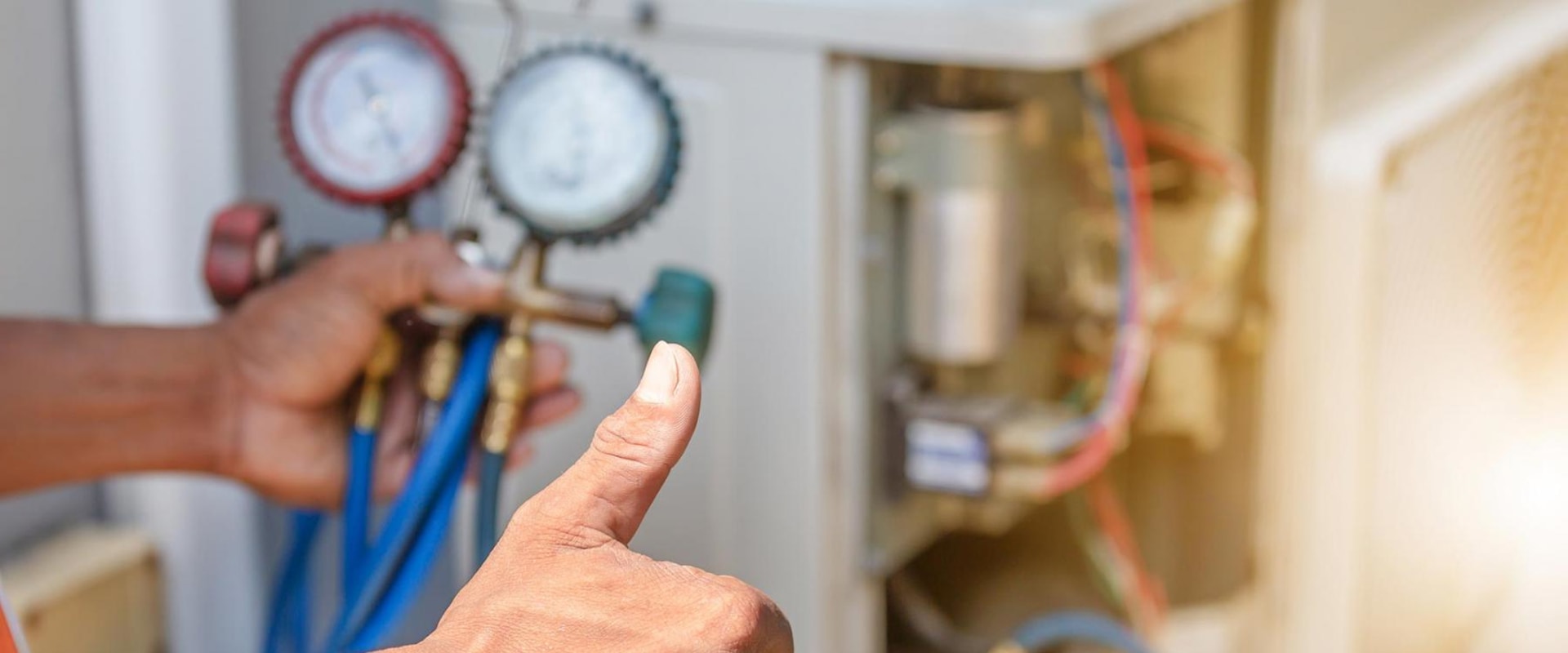
When it comes to maintaining a comfortable home environment, understanding air conditioner repair costs is essential for homeowners. The expenses associated with repairing an air conditioning unit can vary significantly based on several factors, including the type of repair needed, the age of the unit, and the specific components that require attention. By gaining insight into these costs, homeowners can better prepare for potential repairs and avoid unexpected financial burdens. On average, homeowners can expect to pay anywhere from $150 to $600 for common AC repairs. However, more complex issues, such as compressor failures or refrigerant leaks, can escalate costs to upwards of $1,500 or more.
It's crucial to recognize that these figures are just estimates; actual prices may differ based on regional labor rates and the specific service provider. Additionally, some repairs may be covered under warranty, which can significantly reduce out-of-pocket expenses. Several factors influence the overall cost of air conditioner repair. First and foremost is the type of issue at hand. Simple fixes like replacing a capacitor or cleaning coils tend to be less expensive than major repairs involving the compressor or evaporator coil.
The age and efficiency of the unit also play a role; older systems may require more frequent repairs and could be less cost-effective in the long run. Furthermore, seasonal demand can affect pricing; during peak summer months, when many homeowners seek repairs, prices may rise due to increased demand for HVAC services. Understanding these elements not only helps in budgeting for potential repairs but also empowers homeowners to make informed decisions about their HVAC systems. By being proactive and addressing minor issues before they escalate into costly repairs, homeowners can save money and extend the lifespan of their air conditioning units.
Common Air Conditioner Issues and Their Repair Costs
Understanding the common issues that can arise with your air conditioning unit is crucial for homeowners. Not only can this knowledge help you recognize symptoms early, but it can also prepare you for the potential financial implications of repairs.Below are some of the most frequent problems encountered with air conditioners, along with their associated repair costs.
1.Refrigerant Leaks
One of the most common issues is refrigerant leaks. When your AC unit is low on refrigerant, it cannot cool your home effectively. This problem often stems from wear and tear or damage to the coils. Repairing a refrigerant leak typically costs between $200 and $1,500, depending on the severity of the leak and whether the coils need replacement.2.Faulty Capacitor
The capacitor is essential for starting the compressor and fan motor.If it fails, your air conditioner may not turn on at all. Replacing a faulty capacitor usually costs around $100 to $400. This relatively low-cost repair can save you from more expensive issues down the line.
3.Clogged Drain Line
A clogged drain line can lead to water damage and mold growth in your home. This issue often arises from dirt and debris accumulating in the line.Clearing a clogged drain line typically costs between $75 and $250. Regular maintenance can help prevent this problem.
4.Compressor Failure
The compressor is often considered the heart of your air conditioning system. If it fails, it can be one of the most expensive repairs, costing anywhere from $1,500 to $2,500. Regular inspections can help identify early signs of compressor issues, potentially saving you significant repair costs.5.Thermostat Issues
If your thermostat is malfunctioning, it may not accurately read the temperature or communicate effectively with your AC unit.Repairing or replacing a thermostat generally costs between $100 and $300. Upgrading to a smart thermostat may also provide energy savings in the long run. By being aware of these common air conditioner problems and their associated repair costs, homeowners can take proactive steps to maintain their systems and avoid costly repairs in the future. Regular maintenance checks are essential for identifying potential issues before they escalate into more significant problems.
The Most Expensive Parts to Replace in an AC Unit
When it comes to air conditioner repair, understanding the most expensive parts to replace can save homeowners from unexpected financial burdens. Here are some of the key components that often require replacement and why they can be costly:- Compressor: The compressor is often considered the heart of an AC unit.
It circulates refrigerant throughout the system and is essential for cooling. If the compressor fails, it can lead to a repair bill that ranges from $1,500 to $2,500 or more, depending on the unit's size and type. This high cost is due to both the part itself and the labor involved in replacing it.
- Condenser Coil: The condenser coil is responsible for releasing heat absorbed from your home. If it becomes damaged or corroded, it may need to be replaced, which can cost between $1,000 and $2,000.
Regular maintenance can help prevent this issue by keeping the coil clean and free from debris.
- Evaporator Coil: Similar to the condenser coil, the evaporator coil absorbs heat from inside your home. A malfunctioning evaporator coil can lead to significant cooling issues and may cost between $1,200 and $2,000 to replace. Homeowners should be vigilant about maintaining proper airflow to avoid ice buildup on this component.
- Fan Motors: Both indoor and outdoor fan motors play a crucial role in air circulation. If either motor fails, it can lead to overheating and further damage to other components.
Replacement costs for fan motors typically range from $300 to $700, depending on the model.
- Thermostat: While not as expensive as other components, a malfunctioning thermostat can lead to inefficient cooling and increased energy bills. Replacing a thermostat usually costs between $100 and $300, but if left unchecked, it can contribute to larger issues within the system.
Preventive Maintenance: Saving on Future Repairs
Regular maintenance of your air conditioning unit is not just a good practice; it is essential for ensuring the longevity and efficiency of your system.By investing time and effort into preventive care, homeowners can significantly reduce the likelihood of costly repairs and extend the lifespan of their AC units. Here are some actionable AC maintenance tips that can help you save on future repairs:
- Change or Clean Filters Regularly: One of the simplest yet most effective maintenance tasks is to check and replace or clean your air filters every 1-3 months. Clogged filters restrict airflow, making your system work harder and leading to potential breakdowns.
- Inspect the Condenser Unit: Ensure that the outdoor condenser unit is free from debris such as leaves, dirt, and grass. Clear any obstructions to allow for proper airflow. A clean condenser operates more efficiently and reduces strain on the system.
- Check Refrigerant Levels: Low refrigerant levels can indicate a leak, which can lead to significant damage if not addressed promptly.
Regularly checking refrigerant levels can help you catch issues early before they escalate into costly repairs.
- Schedule Annual Professional Inspections: While DIY maintenance is important, having a professional HVAC technician perform an annual inspection can uncover hidden issues. Technicians can identify potential problems that may not be visible to the untrained eye.
- Clean the Coils: Both the evaporator and condenser coils should be cleaned at least once a year. Dirty coils reduce the system's ability to cool your home efficiently, leading to increased energy costs and wear on components.
- Test the Thermostat: Ensure that your thermostat is functioning correctly. A malfunctioning thermostat can lead to improper cooling cycles, causing unnecessary wear on your AC unit.
Remember, reducing AC repair costs starts with proactive maintenance. Taking these steps will help you avoid unexpected breakdowns and keep your home comfortable throughout the hot months. In conclusion, regular maintenance is a small investment that pays off in significant savings over time. By prioritizing these tasks, homeowners can enjoy peace of mind knowing their air conditioning units are running efficiently and effectively.
DIY vs. Professional Repairs: When to Call an Expert
When it comes to air conditioner repair, homeowners often face a critical decision: should they attempt to fix the issue themselves or hire a professional HVAC technician? Understanding the pros and cons of each approach can save you time, money, and potential headaches.Pros of DIY Air Conditioner Repair
- Cost Savings: One of the most appealing aspects of DIY repairs is the potential for significant cost savings.
By avoiding labor costs associated with hiring a professional, you can tackle minor issues without breaking the bank.
- Immediate Action: If you have some basic knowledge of HVAC systems, you can address problems as soon as they arise, rather than waiting for an appointment with a technician.
- Learning Experience: Engaging in DIY repairs can enhance your understanding of how your air conditioning system works, empowering you to handle future issues more effectively.
Cons of DIY Air Conditioner Repair
- Risk of Further Damage: Without proper training, attempting repairs can lead to more significant issues. For instance, mishandling refrigerant can not only damage your unit but also pose health risks.
- Lack of Warranty Protection: Many manufacturers void warranties if unauthorized repairs are made. This means that if something goes wrong after your DIY fix, you may be left with no coverage.
- Time-Consuming: Troubleshooting and repairing an air conditioning unit can be time-consuming, especially if you're unfamiliar with the system. This could lead to prolonged discomfort during hot weather.
When to Call an Expert
While some minor issues may be manageable for a DIY enthusiast, there are clear indicators that it's time to call in a professional:- Persistent Problems: If your air conditioner continues to malfunction despite your attempts at repair, it’s best to consult an expert who can diagnose underlying issues.
- Complex Repairs: Tasks such as replacing the compressor or dealing with refrigerant leaks require specialized knowledge and tools.
These are best left to trained professionals.
- Safety Concerns: If you encounter electrical components or hazardous materials during your repair attempts, prioritize safety by hiring a qualified technician.
Understanding Warranties and Insurance for AC Repairs
When it comes to air conditioner repair, understanding the nuances of warranties and insurance can significantly influence your overall costs. Many homeowners overlook these aspects, which can lead to unexpected financial burdens when repairs are needed.AC Repair Warranties
Most new air conditioning units come with a manufacturer’s warranty that covers specific parts for a designated period, typically ranging from five to ten years.However, it’s essential to read the fine print:
- Coverage Details: Understand what components are covered. Commonly covered parts include the compressor, evaporator coil, and condenser. Some warranties may exclude labor costs or specific damages.
- Transferability: If you plan to sell your home, check if the warranty is transferable to the new owner. This can enhance your property’s value.
- Regular Maintenance Requirements: Many warranties require regular maintenance checks to remain valid.
Failing to adhere to these guidelines can void your warranty.
HVAC Insurance Coverage
In addition to warranties, homeowners should consider HVAC insurance coverage. This type of insurance can help mitigate costs associated with unexpected repairs:- Homeowners Insurance: Some policies may cover HVAC repairs under certain conditions, such as damage from natural disasters. Review your policy to understand what is included.
- Home Warranty Plans: These plans often cover major home systems, including HVAC units. They typically require a service fee for each repair but can save you money in the long run.
- Exclusions and Limitations: Just like with warranties, be aware of any exclusions in your insurance policy.
Certain types of damage or wear and tear may not be covered.
Frequently Asked Questions About Air Conditioner Repairs
When it comes to air conditioner repair, homeowners often have numerous questions. Understanding these common queries can help you make informed decisions about your HVAC system. Below are some frequently asked questions regarding air conditioner repairs and maintenance.What are the signs that my air conditioner needs repair?
There are several indicators that your air conditioning unit may require professional attention:- Unusual Noises: If you hear grinding, squealing, or banging sounds, it could indicate a mechanical issue.
- Inconsistent Temperatures: If some rooms are cooler than others or the unit fails to cool your home effectively, it may need repairs.
- Increased Energy Bills: A sudden spike in your energy costs can suggest that your AC is working harder than it should due to inefficiencies.
- Foul Odors: Musty or burning smells can indicate electrical issues or mold growth within the unit.
- Leaks: Any signs of refrigerant or water leaks around the unit should be addressed immediately.
How often should I schedule maintenance for my air conditioner?
It is recommended to have your air conditioning system serviced at least once a year.Regular maintenance helps identify potential issues before they escalate into costly repairs. Ideally, schedule a tune-up in the spring before the cooling season begins. This proactive approach ensures that your system operates efficiently throughout the summer months.
Can I perform any maintenance on my air conditioner myself?
Yes, there are several maintenance tasks that homeowners can perform to keep their AC units running smoothly:- Change Filters: Replace or clean the air filters every 1-3 months to ensure proper airflow and efficiency.
- Clear Debris: Remove leaves, dirt, and debris from around the outdoor unit to prevent airflow restrictions.
- Check Thermostat Settings: Ensure your thermostat is functioning correctly and set to an appropriate temperature.
What is the average cost of air conditioner repairs?
The cost of air conditioner repair can vary widely based on the type of repair needed and your location. On average, homeowners can expect to pay between $150 and $500 for common repairs.More extensive issues, such as compressor replacements, can cost upwards of $1,500. Always obtain multiple quotes from reputable HVAC companies to ensure you receive fair pricing. If you have further questions about your specific situation, don’t hesitate to reach out to a qualified HVAC technician for personalized advice and assistance.
Conclusion: The Importance of Being Proactive with Air Conditioner Repairs
In conclusion, understanding the intricacies of air conditioner repair is essential for every homeowner. The costs associated with repairs can escalate quickly if small issues are neglected. By being proactive, you can not only save money but also extend the lifespan of your HVAC system. Throughout this article, we have highlighted several key points:- Awareness of Repair Costs: Knowing the potential costs of various repairs, such as replacing the AC capacitor coil or addressing refrigerant leaks, can help you budget effectively and avoid financial surprises.
- Importance of Preventive Maintenance: Regular maintenance checks can identify minor issues before they develop into major problems.
Scheduling annual inspections with a qualified HVAC technician ensures that your system operates efficiently and safely.
- Timely Professional Help: Recognizing when to call in a professional is crucial. If you notice unusual noises, decreased efficiency, or any signs of malfunction, it’s best to consult an expert immediately to prevent further damage.
A well-maintained HVAC system not only saves you money on repairs but also ensures that your home remains a sanctuary during the sweltering summer months.
More articles
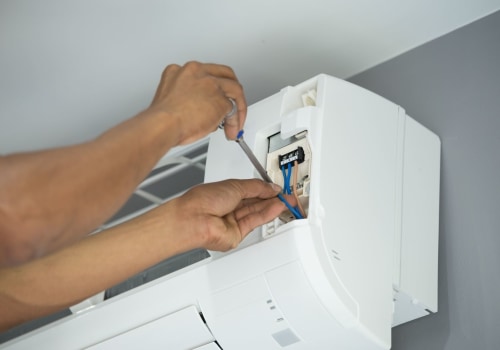
The Most Common Air Conditioner Problems and How to Fix Them
Discover the most common air conditioner problems and effective solutions to keep your home cool and comfortable all summer long.
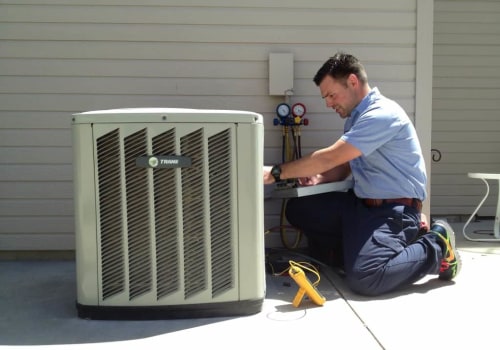
When is the Best Time to Replace Your HVAC System? A Comprehensive Guide
Discover when to replace your HVAC system and learn about signs, costs, and energy efficiency for optimal home comfort.
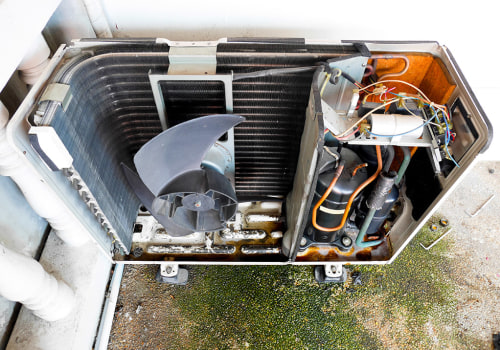
The Essential Guide to Regular Air Conditioner Maintenance: Why It Matters for Repair and Longevity
Discover the importance of regular air conditioner maintenance for efficiency, longevity, and avoiding costly repairs.
10 Common HVAC Problems and How to Solve Them
Learn about the top 10 common problems that homeowners may face with their HVAC systems and get essential troubleshooting tips from an HVAC expert.