Expert Tips for Common Air Conditioner Repairs
Discover expert tips for common air conditioner repairs, including troubleshooting, maintenance, and when to call a professional.
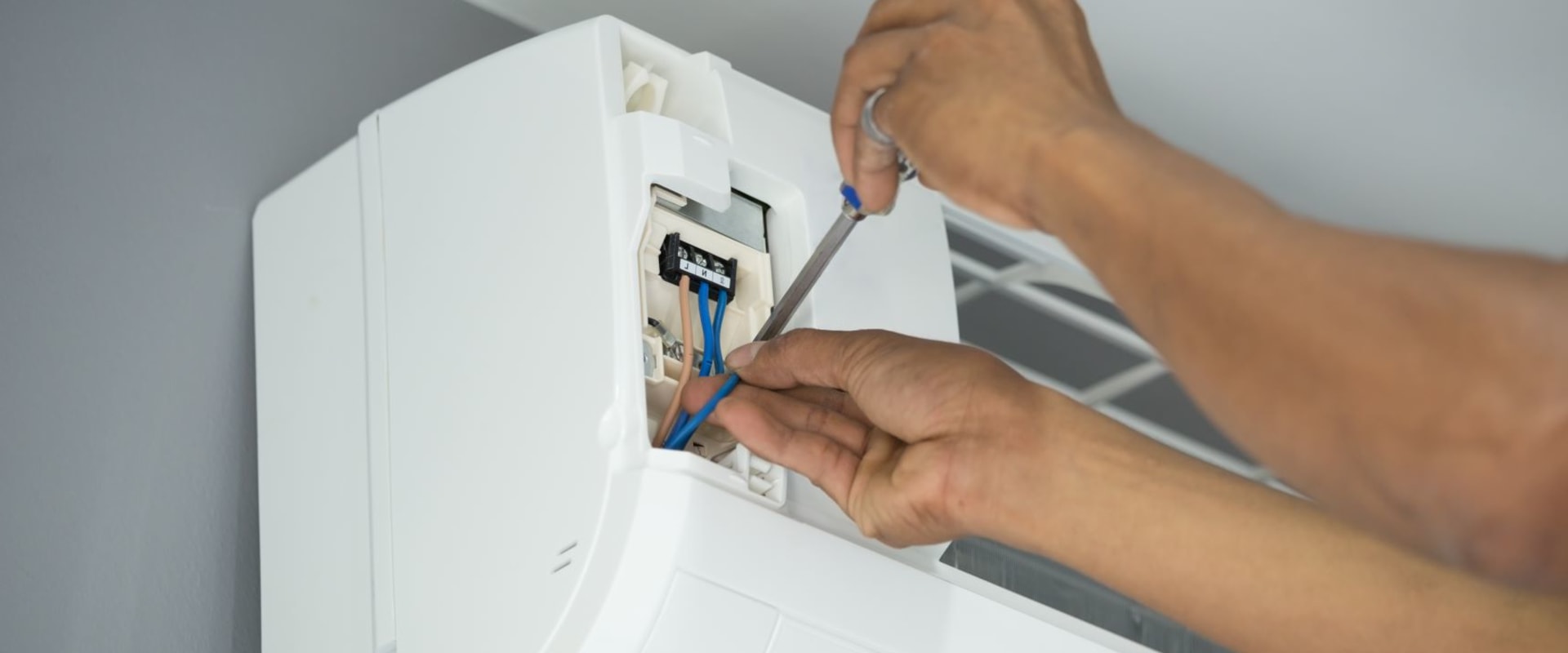
When it comes to maintaining a comfortable indoor environment, your air conditioning unit plays a crucial role. However, like any mechanical system, air conditioners are prone to a variety of issues that can hinder their performance. Understanding these common air conditioner issues is essential for homeowners who want to ensure their cooling systems operate efficiently and effectively. By familiarizing yourself with the typical problems that can arise, you can take proactive steps to address them before they escalate into more significant repairs. One of the most frequent air conditioner problems homeowners encounter is inadequate cooling.
This issue can stem from several factors, including dirty filters, refrigerant leaks, or malfunctioning thermostats. Each of these problems not only affects the comfort level in your home but can also lead to increased energy bills and potential damage to your AC unit if left unaddressed. Recognizing the signs of these issues early on can save you time and money in the long run. In addition to cooling inefficiencies, other common concerns include strange noises, water leaks, and short cycling. These symptoms often indicate underlying issues that require immediate attention.
For instance, unusual sounds may suggest that components within the unit are failing or that debris has accumulated in the system. Water leaks can lead to significant damage if not promptly repaired, while short cycling can indicate an improperly sized unit or a malfunctioning thermostat. By understanding these common air conditioner issues and their implications, you empower yourself as a homeowner to make informed decisions regarding AC repair. Whether you choose to tackle minor maintenance tasks yourself or seek professional assistance for more complex problems, being aware of what to look for will help you maintain a reliable and efficient cooling system throughout the warmer months.
Identifying Refrigerant Leaks
Recognizing the signs of a refrigerant leak is essential for maintaining the efficiency of your air conditioning system. A refrigerant leak not only hampers the cooling performance but can also lead to more severe issues if left unaddressed.Signs of Refrigerant Leaks
- Reduced Cooling Efficiency: If your air conditioner is running but not cooling your space effectively, it may be due to insufficient refrigerant levels caused by a leak.
- Ice Formation: One of the most visible signs of a refrigerant leak is ice buildup on the evaporator coils.
This occurs because low refrigerant levels can cause the coils to freeze, leading to further complications.
- Hissing or Bubbling Sounds: Unusual noises coming from your AC unit, such as hissing or bubbling, can indicate that refrigerant is escaping from a leak.
- Increased Energy Bills: If you notice a spike in your energy bills without any change in usage, it could be a sign that your AC is working harder to compensate for lost refrigerant.
- Unpleasant Odors: Sometimes, a refrigerant leak can produce a chemical smell. If you detect an unusual odor near your AC unit, it’s crucial to investigate further.
Causes of Refrigerant Leaks
Refrigerant leaks can occur for several reasons, including:- Aging Equipment: Older air conditioning units are more prone to leaks due to wear and tear on the components.
- Poor Installation: If an AC unit is not installed correctly, it may lead to leaks in the refrigerant lines.
- Copper Corrosion: The copper tubing used in many AC systems can corrode over time, leading to leaks.
How to Fix Refrigerant Leaks
If you suspect a refrigerant leak, it’s essential to act quickly. Here are steps you can take:- Turn Off Your AC: Immediately turn off your air conditioning system to prevent further damage.
- Call a Professional: Contact an HVAC technician who can accurately diagnose and repair the leak. Attempting to fix it yourself can be dangerous and may void warranties.
- Consider System Replacement: If your unit is old and frequently leaking, it may be more cost-effective in the long run to replace it with a newer model that uses environmentally friendly refrigerants.
Dealing with Water Leaks in Your AC Unit
Water leaks in your air conditioning unit can lead to significant issues, not only affecting the performance of your system but also posing risks to your home.Understanding the common causes of these leaks and how to address them is essential for maintaining a safe and efficient cooling environment.
Common Causes of Water Leaks
- Clogged Drain Line: One of the most frequent culprits behind water leaks is a clogged condensate drain line. Over time, dirt, dust, and algae can accumulate in the drain line, preventing water from flowing out properly. This blockage can cause water to back up and leak from the unit.
- Dirty Air Filters: A dirty air filter restricts airflow, causing the evaporator coil to freeze. When the coil melts, it can lead to excess water that the drainage system cannot handle, resulting in leaks.
- Low Refrigerant Levels: Insufficient refrigerant can cause the evaporator coil to freeze.
Similar to dirty filters, when the ice melts, it can overwhelm the drainage system and lead to leaks.
- Poor Installation: If your AC unit was not installed correctly, it might not be level. An unlevel unit can cause water to pool in areas where it shouldn’t, leading to leaks.
- Damaged Drain Pan: The drain pan collects condensation from the evaporator coil. If this pan is cracked or rusted, it may not hold water properly, leading to leaks.
Fixing Water Leaks in Your Air Conditioner
Addressing water leaks promptly is crucial to prevent further damage and potential mold growth. Here are some actionable steps you can take:
- Inspect and Clean the Drain Line: Regularly check your condensate drain line for clogs.
You can use a wet/dry vacuum to remove blockages or flush the line with a mixture of vinegar and water.
- Change Air Filters: Make it a habit to check and replace your air filters every 1-3 months. This simple maintenance task can significantly improve airflow and prevent freezing issues.
- Check Refrigerant Levels: If you suspect low refrigerant levels, contact a professional HVAC technician. They can safely check and recharge your system as needed.
- Ensure Proper Installation: If you notice persistent leaks due to installation issues, consult with an HVAC professional to assess and correct any installation problems.
- Replace or Repair Drain Pan: If you find that your drain pan is damaged, consider replacing it or sealing any cracks with waterproof tape as a temporary fix until a replacement can be installed.
Maintaining Your Air Conditioning Fan
Maintaining your air conditioning fan is crucial for ensuring that your cooling system operates efficiently and effectively. A well-maintained fan not only enhances the performance of your air conditioner but also contributes to energy savings and prolongs the lifespan of the unit.Here are some expert tips on how to keep your AC fan in good shape.
Regular Inspections
Start by conducting regular inspections of your air conditioning fan. Look for any signs of wear and tear, such as:- Unusual noises: Grinding, squeaking, or rattling sounds can indicate that the fan motor or blades are damaged.
- Visible dirt and debris: Dust accumulation can hinder the fan's performance and lead to overheating.
- Wobbling or misalignment: If the fan appears to be off-balance, it may need adjustment or replacement.
Cleaning the Fan Blades
One of the simplest yet most effective maintenance tasks is cleaning the fan blades. Dust and dirt can accumulate on the blades, reducing airflow and efficiency. To clean them:- Turn off the power to your AC unit to ensure safety.
- Use a soft cloth or a brush to gently wipe down the blades.
- If necessary, use a mild detergent mixed with water for tougher grime, but ensure that no moisture gets into electrical components.
Lubricating Moving Parts
Many air conditioning fans have moving parts that require lubrication to function smoothly.Check your manufacturer’s guidelines for specific recommendations on lubrication:
- Shaft bearings: Apply a few drops of lightweight oil to keep them running quietly.
- Motor bearings: Some motors have sealed bearings that do not require lubrication; however, if they are accessible, a small amount of oil can help reduce friction.
Checking Electrical Connections
Loose or corroded electrical connections can lead to poor performance or even complete failure of your AC fan. Regularly check:- Wiring: Look for frayed wires or loose connections.
- Capacitors: Ensure that capacitors are functioning properly, as they help start the fan motor.
Troubleshooting Low Cooling Issues
Experiencing low cooling from your air conditioner can be frustrating, especially during the hot summer months. Understanding the common reasons behind this issue and knowing how to troubleshoot it can save you time and money.Here are some key factors to consider when diagnosing low cooling performance in your AC unit.
Common Reasons for Low Cooling
- Dirty Air Filters: One of the most frequent culprits of low cooling is a clogged air filter. When filters are dirty, they restrict airflow, making it difficult for your AC to circulate cool air effectively. Regularly checking and replacing your air filters every 1-3 months can significantly improve performance.
- Refrigerant Issues: Low refrigerant levels due to leaks can lead to inadequate cooling. If you suspect a refrigerant leak, it’s crucial to contact a professional technician, as handling refrigerants requires specialized knowledge and equipment.
- Blocked Vents: Ensure that all supply and return vents are unobstructed.
Furniture, curtains, or other objects can block airflow, leading to uneven cooling throughout your home.
- Thermostat Settings: Sometimes, the issue may be as simple as incorrect thermostat settings. Make sure your thermostat is set to the desired temperature and is functioning correctly.
- Faulty Components: Components such as the compressor or fan motor may malfunction over time. If these parts are not working properly, they can hinder the cooling process.
Troubleshooting Steps
- Check Air Filters: Start by inspecting your air filters. If they appear dirty or clogged, replace them with new ones.
- Inspect Vents: Walk through your home and ensure that all vents are open and free from obstructions.
- Examine Thermostat: Verify that your thermostat is set correctly and functioning as intended.
Consider recalibrating it if necessary.
- Look for Ice Buildup: Check the evaporator coils for ice buildup, which can indicate low refrigerant levels or airflow issues. If you find ice, turn off the AC and allow it to thaw before further investigation.
- Call a Professional: If you’ve gone through these troubleshooting steps and still experience low cooling, it’s time to call in an HVAC professional. They can diagnose more complex issues like refrigerant leaks or faulty components.
What to Do When Your AC Is Not Cooling at All
Experiencing a complete lack of cooling from your air conditioner can be incredibly frustrating, especially during the sweltering summer months.Understanding the potential reasons behind this issue is crucial for effective troubleshooting and timely resolution.
Common Causes of AC Not Cooling
- Thermostat Issues: One of the first things to check is your thermostat. If it’s malfunctioning or set incorrectly, it may not signal the AC unit to cool. Ensure that it’s set to a temperature lower than the current room temperature and that it’s functioning properly.
- Refrigerant Problems: A refrigerant leak can lead to insufficient cooling. If your AC is low on refrigerant, it won’t be able to absorb heat effectively.
This issue often requires professional intervention to locate and repair the leak.
- Electrical Failures: Faulty wiring or blown fuses can disrupt power to your AC unit, preventing it from operating correctly. Inspect your circuit breaker and fuses to ensure everything is in working order.
- Clogged Air Filters: Dirty or clogged air filters can restrict airflow, leading to inadequate cooling. Regularly replacing or cleaning your filters can help maintain optimal performance.
- Compressor Issues: The compressor is a vital component of your AC system. If it’s not functioning properly, the entire cooling process can be compromised.
Signs of compressor failure may include unusual noises or a burning smell.
Steps to Take When Your AC Is Not Cooling
- Check the Thermostat: Start by ensuring that your thermostat is set correctly and functioning. Replace batteries if necessary and consider recalibrating it if you suspect inaccuracies.
- Inspect Air Filters: Remove and inspect your air filters. If they are dirty or clogged, replace them immediately to restore airflow.
- Examine Circuit Breakers: Check your home’s electrical panel for any tripped breakers or blown fuses related to the AC unit. Reset any tripped breakers and replace blown fuses as needed.
- Look for Refrigerant Leaks: If you suspect a refrigerant leak, look for signs such as ice buildup on the coils or hissing sounds near the unit.
This issue typically requires a professional technician for proper diagnosis and repair.
- Call a Professional: If you’ve gone through these steps and your AC still isn’t cooling, it’s time to call in an expert. A qualified HVAC technician can diagnose complex issues like compressor failure or electrical problems that may be beyond DIY fixes.
Understanding Short Cycling in Air Conditioners
Short cycling is a common issue that many homeowners face with their air conditioning systems. This phenomenon occurs when an AC unit turns on and off in rapid succession, failing to maintain a consistent temperature in your home.Not only can this lead to discomfort, but it can also result in increased energy bills and potential damage to your cooling system.
Causes of Short Cycling
- Oversized AC Unit: One of the primary reasons for short cycling is that the air conditioner is too large for the space it is meant to cool. An oversized unit cools the area too quickly, causing it to shut off before reaching the desired temperature.
- Thermostat Issues: A malfunctioning thermostat can misread the temperature, prompting the AC to turn off prematurely. This could be due to incorrect placement, wiring issues, or simply an outdated device.
- Dirty Air Filters: Clogged air filters restrict airflow, causing the system to overheat and shut down as a safety measure. Regularly changing or cleaning your filters can help prevent this issue.
- Refrigerant Problems: Low refrigerant levels can lead to inefficient cooling and cause the system to cycle on and off frequently.
This may indicate a leak that needs immediate attention.
- Electrical Issues: Faulty wiring or electrical components can disrupt the normal operation of your AC unit, leading to erratic cycling behavior.
Fixing Short Cycling Issues
If you are experiencing short cycling with your air conditioner, there are several steps you can take to address the problem:
- Assess Unit Size: Consult with an HVAC professional to determine if your AC unit is appropriately sized for your home. If it’s too large, consider replacing it with a more suitable model.
- Check Thermostat Placement: Ensure that your thermostat is installed away from direct sunlight or heat sources that could affect its readings. If necessary, relocate or replace it.
- Change Air Filters: Regularly inspect and replace your air filters every 1-3 months to ensure proper airflow and efficiency.
- Inspect Refrigerant Levels: Have a qualified technician check for refrigerant leaks and recharge the system if necessary.
- Examine Electrical Components: If you suspect electrical issues, contact a professional to inspect and repair any faulty wiring or components.
The Importance of Clean Air Filters
Maintaining a comfortable indoor environment during the sweltering summer months relies heavily on the efficiency of your air conditioning system.One of the most crucial components that directly affects this efficiency is the air filter. Dirty air filters can lead to a myriad of problems, including reduced airflow, increased energy consumption, and even system breakdowns. When air filters become clogged with dust, dirt, and other debris, they restrict airflow to the AC unit. This restriction forces the system to work harder to circulate air, which not only increases energy bills but also accelerates wear and tear on the unit. In fact, studies have shown that a dirty filter can reduce an AC unit's efficiency by as much as 15% or more.
How Often Should You Change Your Air Filters?
The frequency with which you should change your air filters depends on several factors, including:- Type of Filter: Some filters are designed to last longer than others.
For example, HEPA filters can often go several months without needing replacement, while standard fiberglass filters may need changing every month.
- Usage: If you run your AC frequently or live in an area with high levels of dust and pollen, you may need to change your filters more often.
- Pets: Households with pets should consider changing their filters every 1-2 months due to pet hair and dander.
The Consequences of Neglecting Filter Maintenance
Neglecting to maintain clean air filters can lead to several negative outcomes:- Increased Energy Costs: A dirty filter forces your AC unit to work harder, leading to higher electricity bills.
- Reduced Lifespan: Overworking your AC can shorten its lifespan significantly, resulting in costly repairs or replacements.
- Poor Indoor Air Quality: Clogged filters can circulate dust and allergens throughout your home, negatively impacting your health and comfort.
When to Call a Professional for AC Repairs
Understanding when to call a professional for air conditioner repair is crucial for maintaining the efficiency and longevity of your cooling system. While some minor issues can be addressed with DIY fixes, there are specific signs that indicate it’s time to seek expert assistance.Signs You Need AC Repair Service
- No Cool Air: If your air conditioner is running but not producing cool air, this could signal a serious issue, such as a refrigerant leak or a malfunctioning compressor.
Ignoring this problem can lead to further damage.
- Unusual Noises: Strange sounds like grinding, squealing, or banging can indicate mechanical problems within the unit. These noises often suggest that components are failing and require immediate attention.
- Frequent Cycling: If your AC turns on and off frequently without reaching the desired temperature, it may be oversized for your space or have a faulty thermostat. This not only affects comfort but can also increase energy bills.
- Water Leaks: Excess moisture around your AC unit can indicate a clogged drain line or a refrigerant leak. Water damage can lead to mold growth and structural issues in your home.
- Bad Odors: Foul smells coming from your air conditioner can be a sign of burnt wiring or mold growth within the unit.
These issues pose health risks and should be addressed promptly.
When to Seek Professional Help
If you notice any of the signs mentioned above, it’s essential to contact a qualified HVAC technician. Attempting to fix complex issues without proper knowledge can lead to further damage and costly repairs. Professionals have the training and tools necessary to diagnose problems accurately and implement effective solutions.
Professional AC Repair Tips
- Regular Maintenance: Schedule annual maintenance checks with a professional to ensure your system runs efficiently and to catch potential issues early.
- Keep Records: Maintain detailed records of any repairs or maintenance performed on your AC unit. This information can help technicians diagnose problems more effectively.
- Ask Questions: Don’t hesitate to ask your technician about the repairs being performed.
Understanding the process can help you make informed decisions about your cooling system.
<strong>Conclusion</strong>
In conclusion, understanding the common issues associated with air conditioner repair is crucial for homeowners who wish to maintain a comfortable living environment. Throughout this article, we have explored various problems that can arise with air conditioning systems, from refrigerant leaks to dirty air filters, and the importance of regular maintenance. By recognizing the signs of potential issues early on, such as low cooling efficiency or unusual noises, you can take proactive steps to address them before they escalate into more significant problems. Regularly checking and replacing air filters is one of the simplest yet most effective ways to ensure your system operates efficiently.A clean filter not only improves air quality but also enhances the overall performance of your AC unit. Moreover, understanding the implications of water leaks and short cycling can save you from costly repairs and extensive damage to your home. If you notice any signs of moisture around your unit or if your air conditioner frequently turns on and off without reaching the desired temperature, it’s essential to consult a professional technician. Investing in a newer model that uses environmentally friendly refrigerants can also be beneficial in the long run. Not only do these systems tend to be more efficient, but they also contribute positively to environmental sustainability. Ultimately, maintaining your air conditioning system is not just about comfort; it’s about ensuring safety and efficiency in your home. By following the tips outlined in this article and staying vigilant about potential issues, you can enjoy a cool and comfortable indoor environment while minimizing the need for extensive air conditioner repair. Remember, when in doubt, don’t hesitate to reach out to a qualified HVAC professional who can provide expert advice and service tailored to your specific needs.
More articles
Understanding the Impact of Global Supply Chain and Inflation on HVAC Prices in 2023: A Focus on Air Conditioner Repair
Explore how global supply chain issues and inflation are affecting HVAC prices and air conditioner repair costs in 2023.
When to Replace Your HVAC System: Key Signs and Considerations
Discover key signs that indicate when it's time to replace your HVAC system and ensure your home remains comfortable and energy-efficient.
When is it Time to Replace Your HVAC System?
As an HVAC expert, I have seen countless homeowners struggle with the decision of when to replace their heating and cooling system. It's a big investment, but waiting too long can end up costing you more in the long run. So how do you know when it's time to say goo
Understanding the Lifespan of Your HVAC Unit: Key Factors and Maintenance Tips
Discover how long your HVAC unit can last and learn essential maintenance tips to extend its lifespan and efficiency.