The Essential First Step in Diagnosing Air Conditioning System Problems
Learn the essential first steps to diagnose air conditioning issues effectively and ensure your system runs smoothly all summer long.
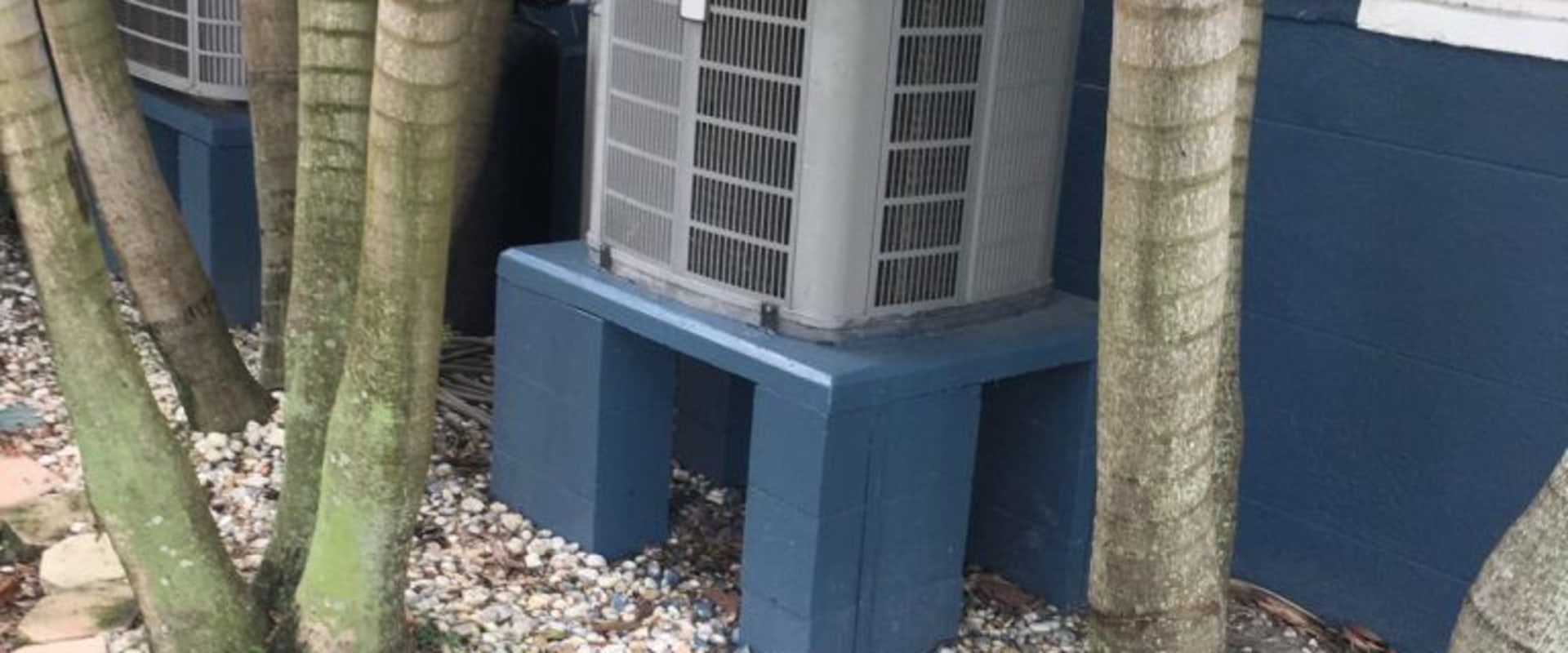
To effectively diagnose issues with your air conditioning system, it is crucial to first understand how these systems operate and the key components involved. An air conditioning unit is designed to regulate indoor temperature and humidity, providing a comfortable environment regardless of external weather conditions. At its core, an air conditioning system works by removing heat from the indoor air and transferring it outside, utilizing a cycle of evaporation and condensation. Most air conditioning systems consist of four primary components: the compressor, condenser, evaporator, and expansion valve. The compressor is often referred to as the heart of the system; it pumps refrigerant through the system and compresses it into a high-pressure gas.
This gas then moves to the condenser , where it releases heat to the outside air and transforms into a liquid state. The liquid refrigerant then travels to the expansion valve , which reduces its pressure, allowing it to evaporate in the evaporator. As it evaporates, it absorbs heat from the indoor air, cooling it down before circulating back into your home. Understanding these components not only helps in grasping how air conditioners function but also aids in identifying potential problems. For instance, if your system is not cooling effectively, it could be due to a malfunctioning compressor or a refrigerant leak.
By familiarizing yourself with these elements, you can better communicate issues to HVAC professionals or even troubleshoot minor problems on your own. In addition to these mechanical parts, it's essential to consider the role of ductwork and filters in an air conditioning system. Ducts are responsible for distributing cooled air throughout your home, while filters trap dust and debris that can hinder airflow. Regular maintenance of these components is vital for optimal performance and longevity of your air conditioning system.
Common Signs of Air Conditioner Problems
Understanding the common signs of air conditioner problems is crucial for maintaining a comfortable indoor environment. Early detection of these issues can save you from costly repairs and ensure your system operates efficiently.Here are some key indicators that your air conditioning system may be malfunctioning:
- Inadequate Cooling: If you notice that your air conditioner is running but not cooling your space effectively, it could be a sign of a refrigerant leak, a clogged filter, or a malfunctioning compressor. Check the thermostat settings to ensure they are correct, and if the problem persists, consider calling a professional.
- Unusual Noises: Air conditioners should operate quietly. If you hear strange sounds such as grinding, squealing, or banging, it may indicate loose or damaged components. These noises can signal serious issues that require immediate attention to prevent further damage.
- Frequent Cycling: If your air conditioner turns on and off frequently, it may be short cycling.
This can be caused by an oversized unit, a malfunctioning thermostat, or issues with the electrical components. Short cycling not only affects comfort but can also lead to increased energy bills.
- Foul Odors: A musty or burning smell coming from your air conditioning unit can indicate mold growth or electrical problems. Mold can pose health risks, while electrical issues can lead to fire hazards. If you detect any unusual odors, turn off the unit and seek professional help.
- Increased Humidity: An effective air conditioning system should reduce humidity levels in your home.
If you notice excessive moisture or condensation on windows and walls, it may indicate that your AC is not functioning properly.
- Water Leaks: Puddles of water around your air conditioning unit can signal a clogged drain line or a refrigerant leak. Both issues require prompt attention to avoid water damage and further complications.
The First Step: Checking the Thermostat
When it comes to diagnosing issues with your air conditioning system, the first step should always be to check the thermostat. This small device plays a crucial role in regulating the temperature of your home and ensuring that your air conditioner operates efficiently.If the thermostat is malfunctioning, it can lead to a range of problems, including inadequate cooling or the system not turning on at all.
Understanding Thermostat Functionality
The thermostat acts as the brain of your air conditioning system. It senses the temperature in your home and sends signals to the air conditioner to either cool or maintain the current temperature. If the thermostat is not functioning properly, it may not communicate effectively with your AC unit, leading to discomfort and increased energy bills.
Steps to Check Your Thermostat
- Verify Power Supply: Ensure that the thermostat has power. If it’s battery-operated, check if the batteries need replacing.
For wired models, ensure that the circuit breaker hasn’t tripped.
- Check Settings: Make sure that the thermostat is set to 'cool' mode and that the temperature setting is lower than the current room temperature. Sometimes, a simple adjustment can resolve the issue.
- Inspect for Damage: Look for any visible signs of damage or wear on the thermostat. Cracks or loose connections can affect its performance.
- Clean the Thermostat: Dust and debris can accumulate on the thermostat over time, affecting its ability to read temperatures accurately. Gently clean it with a soft cloth.
Common issues include:
- Calibration Problems: The thermostat may need recalibration to ensure accurate readings.
- Wiring Issues: Loose or damaged wires can prevent proper communication between the thermostat and air conditioning unit.
- Outdated Technology: Older thermostats may not function as efficiently as newer models, which offer advanced features like programmable settings and smart technology.
Inspecting the Air Filter and Unit Cleanliness
One of the most critical components of your air conditioning system is the air filter. This seemingly simple part plays a significant role in maintaining the efficiency and effectiveness of your unit. A clean air filter allows for optimal airflow, which is essential for cooling your home effectively.Conversely, a dirty air filter can lead to a host of problems that not only affect your comfort but can also result in costly repairs.
Understanding the Importance of Air Filter Maintenance
The primary function of an air filter is to trap dust, dirt, and other airborne particles before they can enter the air conditioning system. Over time, these filters can become clogged with debris, significantly reducing airflow. When airflow is restricted, your air conditioner has to work harder to cool your space, leading to increased energy consumption and wear on the system.
Moreover, a dirty air filter can cause the evaporator coil to freeze, which can lead to further complications and potential damage to the unit. Regular maintenance of your air filter is essential not only for the longevity of your air conditioning system but also for maintaining good indoor air quality.
How Often Should You Clean or Replace Your Air Filter?
As a general rule, it’s advisable to check your air filter every month, especially during peak usage seasons.
Depending on the type of filter you have and your home environment, you may need to clean or replace it:
- Every month: If you have pets or live in a dusty area.
- Every 2-3 months: For standard filters in typical households.
- Every 6-12 months: For high-efficiency filters that are designed to last longer.
Steps for Cleaning or Replacing Your Air Filter
- Turn off the power: Before performing any maintenance, ensure that the power to your air conditioning unit is turned off to avoid any accidents.
- Locate the filter: The air filter is usually found near the return duct or inside the unit itself. Refer to your owner’s manual if you have trouble finding it.
- Remove the filter: Carefully take out the old filter. If it’s reusable, gently clean it with warm water and mild soap. If it’s disposable, replace it with a new one.
- Check for dirt buildup: While you have access to the area, inspect for any additional dirt or debris that may have accumulated around the unit.
- Reinstall or replace: Once cleaned or replaced, securely put the filter back in its place and ensure it fits snugly.
- Restore power: Turn the power back on and monitor your system’s performance.
Regular attention to this often-overlooked component will not only keep your home comfortable but also save you money on energy bills and repairs in the long run.
Examining Power Supply and Circuit Breakers
When your air conditioner fails to turn on, one of the first areas to investigate is the power supply. A malfunctioning power source can lead to a complete shutdown of your AC unit, leaving you in discomfort during hot weather. Here’s how to effectively check for power issues and circuit breaker problems that may be affecting your air conditioning system.1.Check the Power Supply
- Ensure that the air conditioner is plugged in securely. Sometimes, a loose connection can prevent the unit from receiving power.
- Inspect the power cord for any visible damage, such as fraying or cuts.
If you notice any issues, it may be necessary to replace the cord or consult a professional.
- Verify that the outlet is functioning by plugging in another device, like a lamp or phone charger. If that device doesn’t work either, the issue may lie with the outlet itself.
2.Examine the Circuit Breaker
The circuit breaker is designed to protect your home’s electrical system from overloads and short circuits. If your air conditioner isn’t turning on, it’s possible that the circuit breaker has tripped. Here’s how to check:
- Locate your home’s main electrical panel.
This is typically found in a basement, garage, or utility room.
- Open the panel and look for any breakers that are in the "off" position or appear to be tripped (they may be in between on and off).
- If you find a tripped breaker, switch it back to the "on" position. Wait a few moments and then try turning on your air conditioner again.
3.Additional Considerations
- If the breaker trips again immediately after resetting it, this indicates a more serious electrical issue that requires professional attention.
- Consider checking for any blown fuses if your system uses fuses instead of circuit breakers. Replace any blown fuses with new ones of the same amperage.
- In some cases, an overloaded circuit can cause frequent tripping. Ensure that other high-power appliances are not running on the same circuit as your air conditioner.
If these steps do not resolve the problem, it may be time to consult an HVAC professional for further diagnosis and repair.
Assessing Ductwork and Airflow Issues
When diagnosing air conditioning issues, one critical area to examine is the ductwork. Proper airflow is essential for the efficient operation of your air conditioning system, and any problems within the ductwork can significantly hinder performance. Here’s how to assess ductwork and identify potential airflow issues.Inspecting Ductwork for Leaks
Leaks in the ductwork can lead to significant energy loss and reduced cooling efficiency. To check for leaks, follow these steps:
- Visual Inspection: Start by visually inspecting the ducts for any obvious signs of damage, such as holes, cracks, or disconnected sections.
Pay special attention to joints and seams where leaks are most likely to occur.
- Feel for Airflow: With the system running, run your hand along the ducts to feel for any escaping air. If you notice a draft in areas where there shouldn’t be one, it’s a strong indication of a leak.
- Use a Smoke Pencil: A smoke pencil can help identify leaks more effectively. Move the smoke pencil along the duct seams; if the smoke is drawn into any gaps, you have found a leak.
Identifying Blockages
Blockages in the ductwork can also impede airflow. Here’s how to check for obstructions:
- Check Vents: Ensure that all supply and return vents are open and unobstructed.
Furniture, curtains, or other objects can block airflow.
- Duct Cleaning: Over time, dust and debris can accumulate in ducts, leading to blockages. Consider having your ducts professionally cleaned if you suspect this is an issue.
- Inspect Insulation: Ensure that insulation around ducts is intact. Damaged insulation can lead to temperature fluctuations and reduced efficiency.
Assessing Airflow
A simple way to assess airflow is by using an anemometer, which measures air velocity. Place it at various vents to ensure consistent airflow throughout your home.
If you notice significant discrepancies between different areas, it may indicate ductwork issues that need addressing. By thoroughly inspecting your ductwork for leaks and blockages, you can ensure that your air conditioning system operates efficiently and effectively. If you find significant issues or are unsure about your findings, it’s advisable to consult with an HVAC professional who can provide expert assistance and repairs.
Identifying Refrigerant Issues
One of the most critical components of an air conditioning system is the refrigerant, a fluid responsible for absorbing and releasing heat to cool your indoor environment. Maintaining proper refrigerant levels is essential for optimal performance and efficiency. When refrigerant levels are low, it can lead to a range of issues that not only affect cooling but can also cause long-term damage to your system. To ensure your air conditioner operates effectively, it’s important to regularly check for signs of refrigerant leaks.Here are some common indicators that your system may be experiencing refrigerant issues:
- Reduced Cooling Efficiency: If you notice that your air conditioner is struggling to cool your home or that certain rooms are warmer than others, this could be a sign of low refrigerant levels.
- Ice Formation: Ice buildup on the evaporator coils or refrigerant lines is a clear indication that there is insufficient refrigerant. This occurs because low levels prevent the coils from absorbing heat effectively, causing moisture to freeze.
- Unusual Hissing or Bubbling Sounds: If you hear hissing or bubbling noises coming from your air conditioning unit, it may indicate a refrigerant leak. These sounds occur as the refrigerant escapes from the system.
- Increased Energy Bills: A sudden spike in your energy bills without any changes in usage patterns can suggest that your air conditioner is working harder due to low refrigerant levels.
To diagnose and fix these problems, it’s advisable to contact a qualified HVAC technician who can safely handle refrigerants and perform necessary repairs. In summary, keeping an eye on your air conditioner’s refrigerant levels and being aware of the symptoms of low refrigerant can help you maintain a comfortable indoor environment while avoiding costly repairs down the line. Regular maintenance checks can also help identify potential issues before they escalate, ensuring your system runs efficiently throughout the cooling season.
When to Call a Professional HVAC Technician
Determining when to call a professional HVAC technician can be challenging, especially for homeowners who may not be familiar with the intricacies of air conditioning systems. However, recognizing the signs that indicate a need for expert intervention is crucial for maintaining the efficiency and longevity of your air conditioning unit.1.Persistent Issues
- If your air conditioner is consistently blowing warm air despite setting the thermostat to a lower temperature, it’s time to seek professional help. This could indicate a refrigerant leak or a malfunctioning compressor.
- Strange noises such as grinding, squealing, or banging can signal serious mechanical issues.
Ignoring these sounds may lead to more extensive damage and costly repairs.
- Frequent cycling on and off, known as short-cycling, can be a sign of an oversized unit or issues with the thermostat. A technician can diagnose and resolve these problems effectively.
2.Inefficient Cooling
- If certain rooms in your home are significantly warmer than others, this uneven cooling may indicate ductwork issues or blockages that require professional assessment.
- Increased energy bills without a corresponding increase in usage can suggest that your system is working harder than it should due to inefficiencies. A technician can perform an energy audit to identify the root cause.
3.Regular Maintenance
Even if your air conditioner appears to be functioning well, scheduling regular maintenance with a professional HVAC technician is essential. Routine check-ups can:
- Identify potential problems before they escalate into major repairs.
- Ensure that your system operates at peak efficiency, which can save you money on energy costs.
- Extend the lifespan of your air conditioning unit by addressing wear and tear proactively.
4.Safety Concerns
If you notice any signs of electrical issues, such as flickering lights when the AC turns on or burning smells, it’s imperative to call a professional immediately.
These could indicate serious safety hazards that require immediate attention. In summary, knowing when to call a professional HVAC technician is vital for maintaining your air conditioning system's health and efficiency. By being proactive and attentive to your unit's performance, you can ensure a comfortable living environment while avoiding costly repairs down the line.
Frequently Asked Questions About Air Conditioner Repair
When it comes to air conditioner repair, many homeowners have questions that arise from their experiences with cooling systems. Below are some of the most frequently asked questions regarding air conditioning issues, along with detailed answers to help you troubleshoot and maintain your unit effectively.What are the common signs that my air conditioner needs repair?
There are several indicators that your air conditioning system may require professional attention:- Inconsistent Cooling: If some rooms are cooler than others or if the unit is not cooling effectively, it may indicate a problem.
- Unusual Noises: Sounds such as grinding, squealing, or banging can signal mechanical issues within the unit.
- Foul Odors: A musty or burning smell can indicate mold growth or electrical problems.
- Increased Energy Bills: A sudden spike in your energy costs may suggest that your air conditioner is working harder than it should.
- Water Leaks: Any signs of moisture around the unit can indicate a refrigerant leak or drainage issue.
How often should I have my air conditioner serviced?
It is recommended to have your air conditioning system serviced at least once a year, ideally before the cooling season begins. Regular maintenance helps ensure optimal performance and can prevent costly repairs down the line.During a service visit, a technician will check various components, clean filters, and ensure that everything is functioning correctly.
Can I troubleshoot my air conditioner myself?
Yes, there are several basic troubleshooting steps you can take before calling a professional:- Check the Thermostat: Ensure it is set to the desired temperature and functioning properly.
- Inspect Air Filters: Clogged filters can restrict airflow; replace them if they appear dirty.
- Examine Circuit Breakers: Ensure that the circuit breaker for your AC unit hasn’t tripped.
- Clear Debris: Remove any leaves or debris from around the outdoor unit to ensure proper airflow.
What should I do if my air conditioner is blowing warm air?
If your air conditioner is blowing warm air, first check the thermostat settings. If it’s set correctly, inspect the air filters and replace them if necessary. Additionally, ensure that the outdoor unit is not obstructed by debris. If these steps do not resolve the issue, it may be time to contact an HVAC professional for further diagnosis. By understanding these common questions and their answers, you can better navigate air conditioner repair, ensuring your home remains cool and comfortable throughout the warmer months.Conclusion: Key Takeaways for Diagnosing AC Problems
In conclusion, diagnosing issues with your air conditioning system is a critical process that can save you time, money, and discomfort.By following the essential steps outlined in this article, you can effectively identify potential problems before they escalate into costly repairs.
Key Takeaways:
- Check the Thermostat: Always start by ensuring that your thermostat is functioning correctly. A simple battery check or recalibration can often resolve issues that seem more complex.
- Inspect for Debris: Regularly clean your air conditioning unit of dirt and debris. This not only helps in maintaining efficiency but also prevents unnecessary wear and tear on the system.
- Monitor Air Filters: Changing your air filters regularly is crucial. Clogged filters can restrict airflow, leading to overheating and reduced efficiency.
Make it a habit to check and replace them every few months.
- Look for Signs of Leaks: Be vigilant about any unusual condensation or water pooling around your unit. These could be indicators of a refrigerant leak or drainage issue that requires immediate attention.
- Test the System: If your air conditioner isn’t cooling properly, test the system by setting the thermostat to its lowest setting. If it fails to respond, further troubleshooting is necessary.
- Call a Professional: If basic troubleshooting does not resolve the issue, don’t hesitate to contact an HVAC professional. They have the expertise to diagnose and repair more complex problems safely.
Regular checks not only enhance performance but also extend the life of your unit, providing you with reliable comfort during those hot summer months. Remember, taking action at the first sign of trouble can prevent minor issues from becoming major headaches. Stay informed, stay proactive, and enjoy a cool and comfortable home environment all season long.
More articles
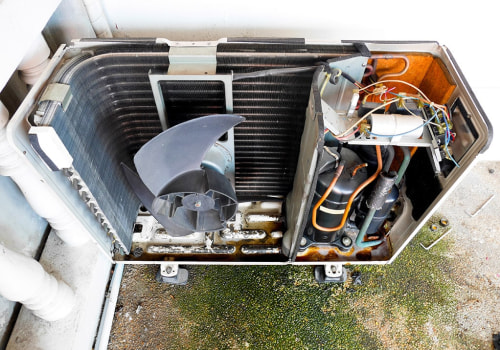
Understanding the Most Common Causes of Air Conditioner Unit Failure
Discover the most common causes of air conditioner failure and learn how to prevent costly repairs with proper maintenance.
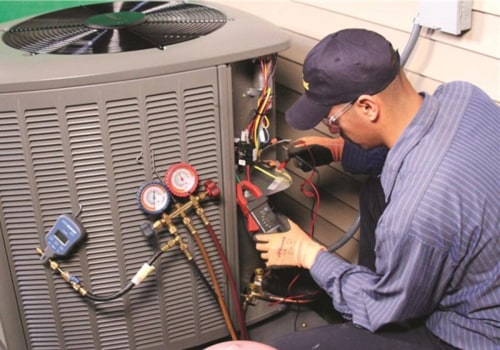
When to Replace Your HVAC System: Key Signs and Considerations
Discover key signs that indicate when it's time to replace your HVAC system and ensure your home remains comfortable and energy-efficient.
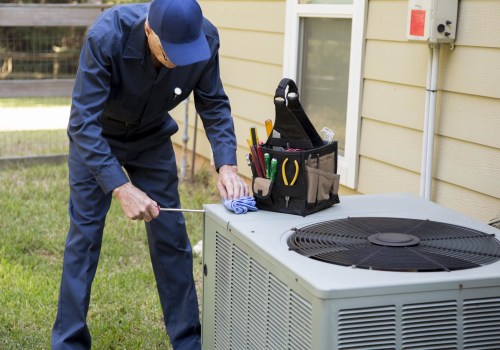
Understanding the Top Reasons for HVAC System Failures and How to Avoid Them
Discover the top reasons for HVAC system failures and learn how to prevent costly air conditioner repairs with our expert tips.
The Impact of Air Conditioning on Home Value: Understanding the Role of Air Conditioner Repair
Discover how air conditioning and air conditioner repair influence home value, energy efficiency, and buyer preferences in real estate.