Is It Time to Replace Your 15-Year-Old HVAC System? A Comprehensive Guide
Is your HVAC system over 15 years old? Discover signs it's time for a replacement and the benefits of modern energy-efficient units.
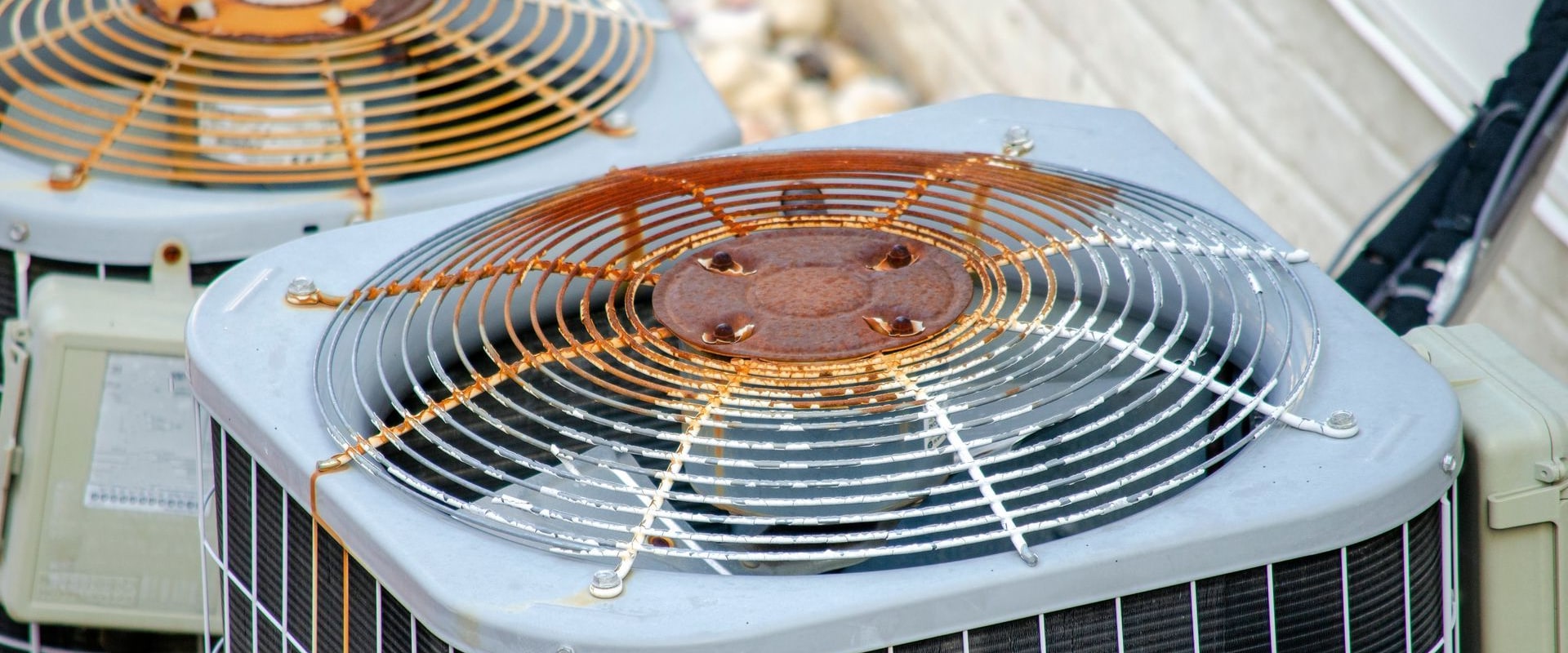
When it comes to maintaining a comfortable home environment, understanding the lifespan of HVAC systems is crucial. Most homeowners rely on their heating, ventilation, and air conditioning (HVAC) systems to regulate indoor temperatures, but many are unaware of how long these systems typically last. On average, an air conditioning unit can function effectively for about 15 to 20 years, depending on various factors such as usage, maintenance, and the quality of the installation. Knowing this lifespan can help you make informed decisions about when to consider air conditioner repair or replacement. As your air conditioning system ages, its efficiency tends to decline.
This means that not only will it struggle to keep your home cool during the hottest months, but it may also lead to increased energy bills as it works harder to achieve the desired temperature. Regular maintenance can extend the life of your unit, but even with diligent care, all systems will eventually reach a point where replacement becomes more cost-effective than ongoing repairs. So how do you know when it's time to replace your HVAC system? One key indicator is age; if your unit is approaching or has surpassed the 15-year mark, it's wise to start evaluating its performance and efficiency. Additionally, if you find yourself frequently calling for air conditioner repair, it may be a sign that your system is nearing the end of its useful life. Understanding these factors not only helps in making timely decisions but also ensures that you maintain a comfortable living space without breaking the bank on repairs.
Signs That Your HVAC System Needs Replacement
Recognizing the signs that your HVAC system is due for replacement is essential for maintaining a comfortable and efficient home environment.Here are some key indicators that suggest it might be time to invest in a new unit:
- Frequent Repairs: If you find yourself calling for air conditioner repair services multiple times a year, it’s a clear sign that your system is struggling. Frequent breakdowns not only disrupt your comfort but can also lead to escalating repair costs that may exceed the price of a new unit.
- Age of the System: The average lifespan of an HVAC system is around 15 to 20 years. If your unit is approaching or has surpassed this age, it’s wise to consider replacement. Older systems are often less efficient and more prone to failures.
- Rising Energy Bills: Have you noticed a significant increase in your energy bills? An aging HVAC system tends to lose efficiency over time, causing it to work harder to maintain the desired temperature.
This increased workload translates into higher energy costs.
- Inefficient Cooling or Heating: If certain rooms in your home are consistently warmer or cooler than others, or if your system struggles to reach the set temperature, it may be time for an upgrade. An inefficient system can lead to discomfort and uneven temperatures throughout your home.
- Noisy Operation: Unusual noises such as grinding, squealing, or banging can indicate serious issues within your HVAC system. While some sounds may be fixable, persistent noise problems often suggest that the unit is nearing the end of its life.
- Humidity Issues: An effective HVAC system should regulate humidity levels in your home. If you notice excessive humidity or dryness, it could mean that your system is not functioning properly and may need replacement.
- Foul Odors: Strange smells emanating from your HVAC system can indicate mold growth or electrical issues.
If you detect persistent odors, it’s crucial to address them immediately, as they can pose health risks and signal the need for a new unit.
The Cost of Repair vs. Replacement
When faced with the dilemma of whether to repair or replace your aging HVAC system, understanding the cost implications is crucial.Homeowners often find themselves weighing the immediate costs of repairs against the long-term benefits of investing in a new air conditioning unit. This section will delve into the financial aspects of both options, helping you make an informed decision.
Understanding HVAC Repair Costs
The cost of repairing an HVAC system can vary significantly based on several factors, including the type of repair needed, the age of the unit, and local labor rates. On average, homeowners can expect to pay anywhere from $150 to $1,500 for repairs. Common issues such as refrigerant leaks, faulty thermostats, or compressor failures can lead to substantial repair bills.
As a general rule of thumb, if your repair costs exceed 50% of the price of a new unit, it may be time to consider replacement.
Frequent repairs not only drain your wallet but also indicate that your system is nearing the end of its lifespan.
The Cost of a New Air Conditioner
Investing in a new air conditioning system typically ranges from $3,000 to $7,000, depending on the size and efficiency rating of the unit. While this initial investment may seem daunting, it’s essential to consider the long-term savings associated with modern HVAC technology. Newer systems are designed to be more energy-efficient, which can lead to significant reductions in your monthly energy bills.
Long-Term Savings and Benefits
- Energy Efficiency: New air conditioners often have higher SEER (Seasonal Energy Efficiency Ratio) ratings, meaning they use less energy to cool your home effectively.
- Lower Repair Costs: A new unit typically comes with warranties that cover parts and labor for several years, reducing unexpected expenses.
- Increased Home Value: A modern HVAC system can enhance your home’s marketability and value, making it a wise investment if you plan to sell in the future.
Energy Efficiency and Modern HVAC Technology
In recent years, the HVAC industry has witnessed remarkable advancements in technology, leading to the development of energy-efficient HVAC systems that not only enhance comfort but also significantly reduce energy consumption.These modern systems are designed with innovative features that optimize performance while minimizing environmental impact. One of the most notable improvements in new air conditioners is their SEER (Seasonal Energy Efficiency Ratio) ratings. Modern units often boast SEER ratings of 16 or higher, compared to older models that typically range from 10 to 12. This increase in efficiency translates to lower energy bills and a reduced carbon footprint, making it a wise choice for environmentally conscious homeowners. Additionally, many new HVAC systems incorporate smart technology , allowing homeowners to control their heating and cooling remotely via smartphones or smart home devices. This capability not only enhances convenience but also enables users to monitor and adjust their energy usage in real-time, further promoting energy savings. Another significant benefit of upgrading to a modern air conditioning unit is the use of variable-speed compressors. Unlike traditional systems that operate at a single speed, variable-speed compressors can adjust their output based on the current cooling demand.
This means they can run at lower speeds for longer periods, maintaining a consistent temperature while using less energy. Moreover, many new air conditioners utilize advanced refrigerants that are more environmentally friendly than those used in older models. For instance, R-410A is a common refrigerant in modern systems that has a lower impact on ozone depletion compared to its predecessors. This shift not only aligns with global efforts to combat climate change but also ensures compliance with evolving regulations. In summary, investing in a new HVAC system offers numerous advantages, including enhanced energy efficiency, advanced technology features, and environmentally friendly options. By upgrading your air conditioner, you can enjoy a more comfortable living environment while contributing to a sustainable future.
Environmental Considerations When Replacing Your HVAC System
When considering the replacement of your aging HVAC system, it’s essential to take into account the environmental impact of both your current unit and the options available for a new installation.Older HVAC systems are often less efficient, consuming more energy and contributing to higher greenhouse gas emissions. This inefficiency not only affects your utility bills but also has a significant impact on the environment. Modern HVAC systems are designed with energy efficiency in mind, utilizing advanced technology to reduce energy consumption. By upgrading to a newer model, you can significantly lower your carbon footprint. For instance, many new air conditioners are equipped with variable speed compressors and smart thermostats that optimize energy use based on your home’s specific needs.
Eco-Friendly Air Conditioners
When selecting a new HVAC system, consider eco-friendly air conditioners that utilize refrigerants with low global warming potential.Traditional refrigerants, such as R-22, are being phased out due to their harmful effects on the ozone layer. In contrast, newer models often use R-410A or other alternatives that are less damaging to the environment. Additionally, look for units that have earned the Energy Star label. These products meet strict energy efficiency guidelines set by the U. S.
Environmental Protection Agency (EPA) and can help you save money while reducing your environmental impact.
Sustainable HVAC Options
Beyond just choosing an energy-efficient air conditioner, consider integrating sustainable practices into your overall HVAC system. This can include:- Geothermal heating and cooling: This system uses the earth's stable underground temperature to heat and cool your home efficiently.
- Solar-powered HVAC systems: Harnessing solar energy can significantly reduce reliance on fossil fuels and lower energy costs.
- Regular maintenance: Keeping your new system well-maintained ensures it operates at peak efficiency, further minimizing its environmental impact.
Financing Options for New HVAC Systems
When it comes to replacing your aging HVAC system, the initial cost can be a significant concern for many homeowners. Fortunately, there are several financing options available that can help ease the financial burden and make the transition to a new, energy-efficient system more manageable.1.Manufacturer Financing Programs
Many HVAC manufacturers offer financing programs directly to consumers.These programs often feature promotional rates, such as zero-interest financing for a specified period. This can be an excellent option if you want to spread out the cost of your new air conditioning unit over time without incurring additional interest charges.
2.Home Equity Loans
If you have built up equity in your home, a home equity loan or line of credit can be a viable option for financing your HVAC replacement. These loans typically offer lower interest rates compared to personal loans because they are secured by your property. However, it’s essential to consider the risks involved, as failing to repay could result in losing your home.3.Personal Loans
For those who may not have sufficient equity in their homes, personal loans can be an alternative.These unsecured loans can provide the necessary funds for your HVAC replacement without requiring collateral. However, interest rates may be higher than secured loans, so it’s crucial to shop around for the best terms.
4.Credit Cards
Using a credit card for HVAC financing is another option, especially if you have a card with a low-interest rate or a promotional 0% APR offer. While this method can provide immediate access to funds, it’s important to have a repayment plan in place to avoid high-interest charges once the promotional period ends.5.Payment Plans from HVAC Contractors
Many HVAC contractors offer their own payment plans that allow you to pay for your new system over time. These plans can vary widely in terms of interest rates and repayment periods, so it’s essential to read the fine print and understand all terms before committing.6.Energy Efficiency Rebates and Incentives
In addition to financing options, many local and federal programs offer rebates and incentives for upgrading to energy-efficient HVAC systems.These programs can significantly reduce the overall cost of your new unit and may even cover part of your financing costs. In conclusion, while replacing an old HVAC system may seem daunting due to financial concerns, various financing options are available to help homeowners manage these costs effectively. By exploring these alternatives, you can find a solution that fits your budget and ensures your home remains comfortable year-round.
Choosing the Right HVAC System for Your Home
When it comes to selecting the right HVAC system for your home, there are several critical factors to consider. Making an informed choice can significantly impact your comfort, energy efficiency, and overall satisfaction with your heating and cooling system.1.Assess Your Home's Size and Layout
The first step in choosing an HVAC system is to evaluate the size of your home. A system that is too small will struggle to cool or heat your space effectively, while one that is too large can lead to inefficient energy use and increased wear and tear.
To determine the appropriate size, consider:
- The total square footage of your home.
- The number of rooms and their layout.
- The insulation quality of your home.
- The number of windows and their orientation.
2.Consider Energy Efficiency Ratings
In 2023, energy efficiency is more important than ever. Look for systems with high Seasonal Energy Efficiency Ratio (SEER) ratings for air conditioners and Annual Fuel Utilization Efficiency (AFUE) ratings for furnaces. Higher ratings indicate better efficiency, which can lead to lower utility bills over time. Additionally, many states offer tax incentives for installing energy-efficient systems, making them a financially savvy choice.
3.Evaluate Your Climate
Your local climate plays a significant role in determining the best HVAC system for your needs.
For instance:
- If you live in a hot and humid area, a high-efficiency air conditioner with advanced dehumidification capabilities may be essential.
- In colder climates, consider a furnace or heat pump that can efficiently handle low temperatures.
4.Explore Different Types of HVAC Systems
There are various types of HVAC systems available, including:
- Central Air Conditioning: Ideal for larger homes, providing even cooling throughout.
- Ductless Mini-Split Systems: Great for homes without ductwork; they offer flexibility and efficiency.
- Heat Pumps: Versatile systems that can provide both heating and cooling.
- Geothermal Systems: Highly efficient but require significant upfront investment; ideal for long-term savings.
5.Consult with HVAC Professionals
Finally, it’s crucial to consult with experienced HVAC professionals who can assess your specific needs and recommend the best options tailored to your home. They can provide insights into the latest models available in 2023 and help you navigate any local regulations or incentives that may apply. By carefully considering these factors, you can choose an HVAC system that not only meets your comfort needs but also enhances energy efficiency and reduces long-term costs.
FAQs About Replacing Your Old HVAC System
When considering whether to replace your old HVAC system, homeowners often have numerous questions. Here are some of the most frequently asked questions regarding HVAC replacement:1.How do I know if my HVAC system needs to be replaced?
Several signs indicate that it may be time for a replacement:- Age: If your system is over 15 years old, it’s likely less efficient and more prone to breakdowns.
- Frequent Repairs: If you find yourself calling for air conditioner repair multiple times a year, it may be more cost-effective to invest in a new unit.
- Increased Energy Bills: A noticeable spike in your energy costs can indicate that your system is working harder than it should.
- Poor Airflow: If certain rooms in your home are not receiving adequate cooling, this could signal an issue with your HVAC system.
2.What are the benefits of replacing an old HVAC system?
Replacing an outdated HVAC system can offer several advantages:- Improved Energy Efficiency: Newer models are designed to use less energy, which can lead to significant savings on your utility bills.
- Enhanced Comfort: Modern systems provide better temperature control and improved air quality, ensuring a more comfortable living environment.
- Reduced Repair Costs: Investing in a new unit can save you from the frequent repair costs associated with older systems.
- Environmental Benefits: Newer systems often use eco-friendly refrigerants and consume less energy, reducing your carbon footprint.
3.Are there any financial incentives for replacing my HVAC system?
Yes, many homeowners may qualify for tax credits or rebates when upgrading to energy-efficient HVAC systems. Check with local utility companies or government programs to see what incentives are available in your area.4.How long does it take to install a new HVAC system?
The installation process typically takes one to two days, depending on the complexity of the system and any necessary modifications to your home.A professional HVAC contractor can provide a more accurate timeline based on your specific situation.
5.What should I look for when choosing a new HVAC system?
When selecting a new unit, consider the following factors:- Energy Efficiency Rating: Look for units with high SEER (Seasonal Energy Efficiency Ratio) ratings.
- Size: Ensure the unit is appropriately sized for your home to maximize efficiency and comfort.
- Brand Reputation: Research brands known for reliability and customer satisfaction.
- Warranty Options: A good warranty can provide peace of mind and protect your investment.
Conclusion: Making the Right Decision for Your Home Comfort
Deciding whether to replace your 15-year-old HVAC system is a significant choice that can impact your home comfort, energy efficiency, and overall financial health. Throughout this article, we have explored various factors that should guide your decision-making process. First and foremost, the age of your HVAC system plays a crucial role. If your unit is over 15 years old, it is likely operating at a fraction of the efficiency of modern systems. Newer models are designed with advanced technology that not only cools your home more effectively but also consumes less energy, leading to lower utility bills. Additionally, we discussed the importance of evaluating the frequency and cost of repairs.If you find yourself calling for air conditioner repair services more often than you would like, or if repair costs are nearing or exceeding 50% of the price of a new unit, it may be time to consider an upgrade. Investing in a new system can save you from the frustration and expense of ongoing repairs. Moreover, consider your long-term plans for your home. If you intend to stay for several years, investing in a new HVAC system can enhance your comfort and increase your property value. On the other hand, if you plan to move soon, it might not be financially prudent to invest heavily in a new system. In conclusion, making an informed decision about replacing your HVAC system involves weighing the age and efficiency of your current unit against the costs and benefits of a new installation.
Consulting with an HVAC professional can provide valuable insights tailored to your specific situation. Remember, investing in a reliable and efficient HVAC system is not just about immediate comfort; it’s about ensuring peace of mind for years to come.
More articles
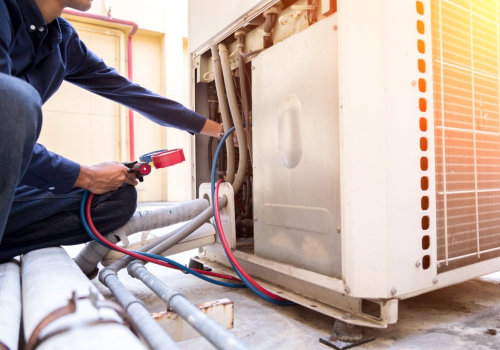
Expert Tips for Diagnosing Air Conditioner Problems: A Comprehensive Guide to Air Conditioner Repair
Learn expert tips for diagnosing air conditioner problems and ensure efficient air conditioner repair with our comprehensive guide.
Understanding the Lifespan of Your HVAC Unit: Key Factors and Maintenance Tips
Discover how long your HVAC unit can last and learn essential maintenance tips to extend its lifespan and efficiency.
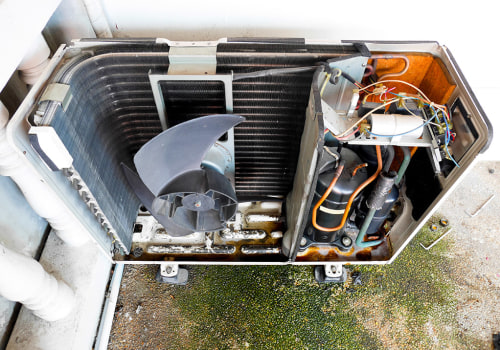
The Essential Guide to Regular Air Conditioner Maintenance: Why It Matters for Repair and Longevity
Discover the importance of regular air conditioner maintenance for efficiency, longevity, and avoiding costly repairs.
The Costly Truth About AC Unit Repairs: Understanding Air Conditioner Repair Costs and Prevention
Discover the truth about air conditioner repair costs and how to prevent expensive issues. Learn essential maintenance tips for your HVAC system.