When to Replace Your HVAC System: A Comprehensive Guide
Discover when to replace your HVAC system with our comprehensive guide. Learn about signs, costs, and energy efficiency for optimal comfort.
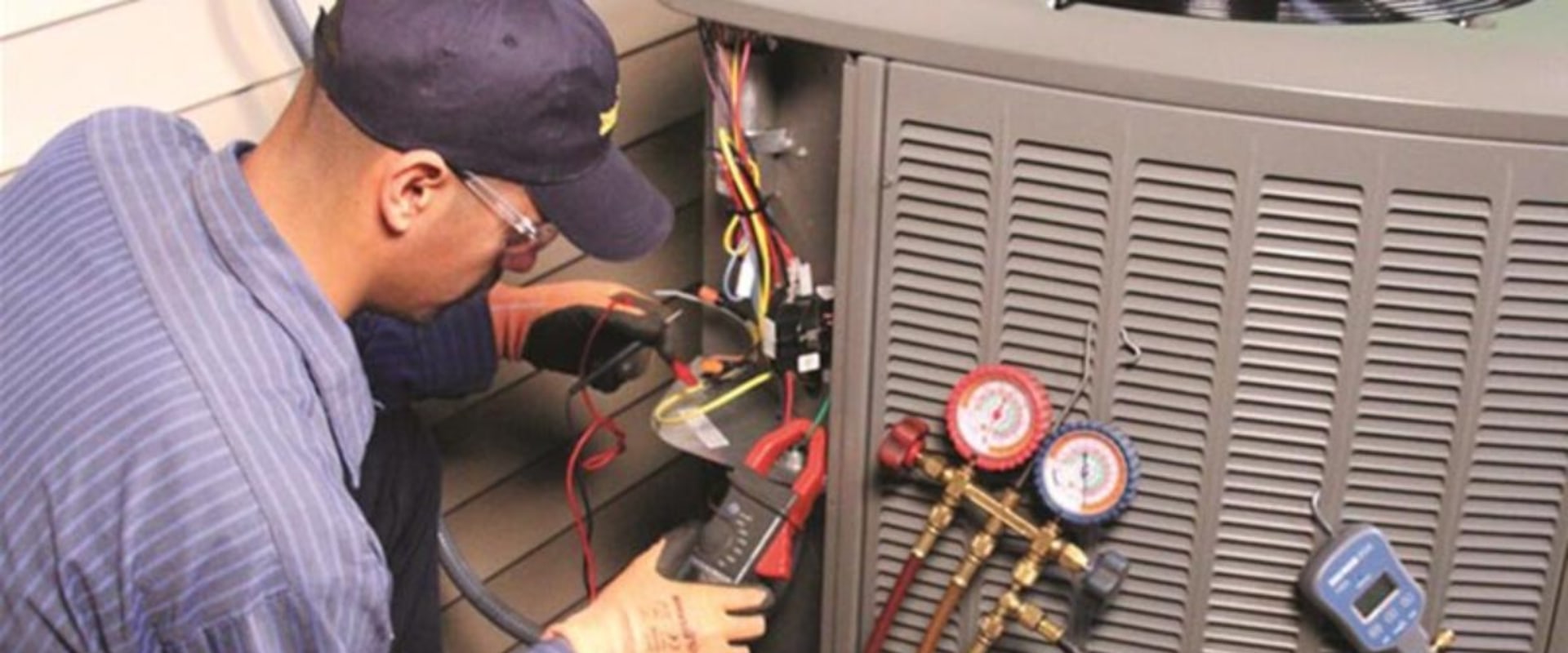
Understanding your HVAC system is crucial for maintaining a comfortable and healthy living environment. HVAC, which stands for Heating, Ventilation, and Air Conditioning, encompasses a range of technologies designed to regulate indoor climate. This system not only provides heating during the cold months but also ensures that your home remains cool and comfortable during the sweltering summer heat. A well-functioning HVAC system is essential for energy efficiency, air quality, and overall comfort. At the heart of any HVAC system are its key components: the furnace or heat pump for heating, the air conditioner for cooling, and the ductwork that distributes conditioned air throughout your home.
Additionally, thermostats play a vital role in regulating temperature settings, while filters help maintain air quality by trapping dust and allergens. Understanding how these components work together can help you identify potential issues before they escalate into costly air conditioner repair needs. As homeowners, it’s important to recognize that an HVAC system is not just a luxury; it’s a necessity for modern living. The comfort it provides directly impacts your quality of life, making it essential to keep it in optimal condition. Regular maintenance can extend the lifespan of your system and improve its efficiency, but there comes a time when repairs may no longer be sufficient.
Knowing when to replace your HVAC system is key to ensuring that your home remains a sanctuary of comfort.
Signs That Indicate It's Time for a Replacement
Recognizing the right time to replace your HVAC system can save you from unexpected breakdowns and costly repairs. Here are some key signs that indicate it may be time for a replacement:- Age of the System: If your HVAC system is over 10 years old, it’s wise to start considering a replacement. Most systems have a lifespan of about 10 to 15 years, and as they age, their efficiency tends to decline.
- Frequent Repairs: If you find yourself calling for air conditioner repair more often than usual, it may be a sign that your system is nearing the end of its life. Frequent breakdowns not only disrupt your comfort but can also add up in repair costs.
-
Rising Energy Bills: An increase in your energy bills can indicate that your HVAC system is working harder than it should.
If you notice a significant spike in costs without any changes in usage, it might be time to evaluate the efficiency of your system.
- Inconsistent Temperatures: If certain rooms in your home are too hot or too cold compared to others, this inconsistency can signal that your HVAC system is struggling to maintain proper airflow and temperature control.
- Noisy Operation: Unusual sounds such as banging, clanking, or hissing can indicate mechanical issues within your HVAC system. If these noises become frequent, it’s a strong indicator that replacement may be necessary.
- Humidity Issues: An effective HVAC system should regulate humidity levels in your home. If you notice excessive humidity or dryness, it could mean that your system is not functioning properly and may need replacement.
- Foul Odors: Strange smells coming from your HVAC system can be a sign of mold growth or electrical issues. If you detect persistent odors, it’s crucial to address them immediately, as they may indicate a need for replacement.
Taking proactive steps can ensure that you maintain a comfortable and efficient home environment.
The Lifespan of HVAC Systems
Understanding the lifespan of HVAC systemslifespan of HVAC systems is crucial for homeowners looking to maintain comfort and efficiency in their living spaces. Generally, the average lifespan of an HVAC system can range from 10 to 15 years, depending on various factors such as the type of system, usage, and maintenance practices.Air conditioners
, a key component of HVAC systems, typically last between 12 to 17 years. However, this lifespan can be significantly affected by how well the unit is maintained. Regular servicing, including cleaning filters and checking refrigerant levels, can extend the life of your air conditioner.
Conversely, neglecting maintenance can lead to premature failures and costly repairs. Several factors influence the longevity of HVAC systems:
- Quality of Installation: A poorly installed system can lead to inefficiencies and increased wear and tear. Ensuring that your HVAC system is installed by a qualified professional is essential for maximizing its lifespan.
- Regular Maintenance: Routine check-ups and maintenance can help identify potential issues before they become major problems. This includes changing filters, cleaning ducts, and scheduling annual inspections.
- Usage Patterns: The frequency and intensity of use can impact how long your system lasts. Systems that are used heavily or run continuously may wear out faster than those that are used more sparingly.
- Environmental Factors: Homes located in areas with extreme temperatures or high humidity may experience more strain on their HVAC systems, potentially shortening their lifespan.
For instance:
- Central Air Conditioning Systems: These typically last around 15 years with proper care.
- Ductless Mini-Split Systems: Known for their efficiency, these systems can last up to 20 years if maintained well.
- Heat Pumps: These versatile systems generally have a lifespan of about 15 years.
Cost Considerations: Repair vs. Replacement
When it comes to maintaining your HVAC system, one of the most significant decisions you will face is whether to invest in ongoing repairs or to replace the entire unit. Understanding the cost considerations involved in both options can help you make a more informed decision that aligns with your financial situation and long-term comfort needs.Repair Costs
Regular maintenance and occasional repairs are a part of owning an HVAC system.
However, as your system ages, repair costs can accumulate quickly. Here are some factors to consider:
- Frequency of Repairs: If you find yourself calling for repairs multiple times a year, it may indicate that your system is nearing the end of its lifespan.
- Cost of Parts: Older systems may require parts that are no longer manufactured, leading to higher costs for replacements.
- Labor Costs: Depending on your location, labor costs can vary significantly, adding to the overall expense of repairs.
Replacement Costs
While the upfront cost of replacing an HVAC system can be daunting, it’s essential to consider the long-term savings and benefits:
- Energy Efficiency: Newer models are designed to be more energy-efficient, which can lead to lower utility bills over time.
- Warranty Coverage: A new system typically comes with a warranty that covers parts and labor for a specified period, reducing future repair costs.
- Increased Home Value: A modern HVAC system can enhance your home’s value and appeal to potential buyers if you decide to sell.
Repair vs. Replacement
The decision between repairing and replacing your HVAC system often boils down to a cost-benefit analysis. If your repair costs exceed 50% of the price of a new unit within a year, it may be more economical to replace the system.
Additionally, consider the age of your unit; if it’s over 10 years old and requiring frequent repairs, replacement is likely the more prudent choice. Ultimately, consulting with an HVAC professional can provide valuable insights tailored to your specific situation. They can help you evaluate the current state of your system and guide you in making a decision that balances immediate costs with long-term benefits.
Energy Efficiency and Environmental Impact
Upgrading to an energy-efficient HVAC system can significantly reduce your utility bills while also benefiting the environment. As energy costs continue to rise, homeowners are increasingly looking for ways to minimize their expenses without sacrificing comfort. Energy-efficient HVAC systems are designed to use less energy while providing the same level of heating and cooling, which translates into lower monthly bills. One of the primary benefits of modern HVAC systems is their improved energy efficiency.Many new units come equipped with advanced technology, such as variable speed motors and smart thermostats, which optimize energy use. These features allow the system to adjust its output based on the current demand, ensuring that energy is not wasted. According to the U. S.
Department of Energy, upgrading to a high-efficiency system can save homeowners up to 30% on their heating and cooling costs. In addition to financial savings, energy-efficient HVAC systems have a positive environmental impact. Traditional HVAC systems often rely on fossil fuels, contributing to greenhouse gas emissions and climate change. By switching to an energy-efficient model, you can reduce your carbon footprint significantly. Many of these systems use refrigerants that have a lower global warming potential (GWP), further minimizing their environmental impact. Moreover, many states and local governments offer incentives for homeowners who choose to upgrade to energy-efficient systems.
These incentives can include tax credits, rebates, or financing options that make the transition more affordable. By taking advantage of these programs, you not only save money but also contribute to a more sustainable future. In summary, investing in a new energy-efficient HVAC system is a wise decision for both your wallet and the planet. With lower utility bills and reduced environmental impact, upgrading your system can lead to long-term benefits that extend beyond immediate savings.
Choosing the Right Replacement System
Choosing the right replacement HVAC system is crucial for ensuring comfort, efficiency, and cost-effectiveness in your home. With numerous options available, it can be overwhelming to determine which system best suits your needs.Here are some key factors to consider when selecting a new air conditioning system.
Assess Your Home's Size
The first step in selecting an HVAC replacement is to evaluate the size of your home. The capacity of an air conditioning unit is measured in BTUs (British Thermal Units) , which indicates how much heat the system can remove from your home in one hour. A unit that is too small will struggle to cool your space, leading to increased energy bills and wear on the system. Conversely, an oversized unit will cycle on and off frequently, causing inefficient operation and discomfort.-
Calculate the BTUs needed: A general rule of thumb is to allow 20 BTUs per square foot of living space.
However, factors such as ceiling height, insulation quality, and the number of windows can affect this calculation.
- Consider zoning: If your home has multiple levels or areas that require different temperatures, a zoned system may be beneficial.
Budget Considerations
Your budget will play a significant role in determining which HVAC system you choose. While it may be tempting to opt for the cheapest option available, consider the long-term costs associated with energy efficiency and maintenance.- Initial costs: Get quotes from multiple contractors to compare installation costs. Ensure that these quotes include all necessary components and labor.
- Energy efficiency: Look for systems with a high SEER (Seasonal Energy Efficiency Ratio) rating. Higher SEER ratings indicate better energy efficiency, which can lead to lower utility bills over time.
- Incentives and rebates: Research local utility programs or government incentives that may help offset the cost of purchasing an energy-efficient system.
Specific Needs and Features
Every household has unique requirements that should influence your choice of HVAC system.Consider the following:
- Allergies or asthma: If anyone in your home suffers from respiratory issues, look for systems equipped with advanced filtration options that can improve indoor air quality.
- Noise levels: Some systems operate more quietly than others. If noise is a concern, check product specifications for decibel ratings.
- Smart technology: Many modern HVAC systems come with smart thermostats that allow for remote control and scheduling, enhancing convenience and efficiency.
The Importance of Professional Installation
When it comes to installing a new HVAC system, the significance of professional installation cannot be overstated. While some homeowners may consider a DIY approach to save on costs, the reality is that improper installation can lead to a myriad of issues that compromise both the performance and longevity of the system.Why Professional Installation Matters
One of the primary reasons to opt for professional HVAC installation is the expertise that trained technicians bring to the table.
These professionals are well-versed in the complexities of HVAC systems, including:
- System Sizing: An HVAC system must be appropriately sized for your home. A unit that is too small will struggle to cool or heat your space, leading to increased energy bills and premature wear. Conversely, an oversized unit will cycle on and off too frequently, causing inefficiency and discomfort.
- Compliance with Local Codes: HVAC installations must adhere to local building codes and regulations. Professionals ensure that your system meets these requirements, avoiding potential fines or safety hazards.
-
Proper Ductwork Installation: The effectiveness of your HVAC system heavily relies on well-designed ductwork.
Professionals can assess your existing ducts or design new ones to optimize airflow and efficiency.
The Benefits of Expert Installation
Investing in professional installation offers several benefits:
- Enhanced Efficiency: A correctly installed system operates more efficiently, which can lead to lower energy bills and a reduced carbon footprint.
- Increased Lifespan: Proper installation minimizes stress on the system, helping it last longer and reducing the frequency of repairs.
- Warranty Protection: Many manufacturers require professional installation for warranty coverage. Failing to comply with this requirement could void your warranty, leaving you responsible for costly repairs.
- Peace of Mind: Knowing that your HVAC system has been installed by a qualified technician provides reassurance that it will function as intended, allowing you to focus on enjoying a comfortable home.
Frequently Asked Questions (FAQs)
When it comes to HVAC systems, homeowners often have numerous questions. Understanding these systems can help you make informed decisions about maintenance, repairs, and replacements.Here are some of the most frequently asked questions regarding HVAC systems and air conditioner replacements.
What are the signs that my HVAC system needs to be replaced?
Several indicators can suggest it's time for a replacement:- Age of the System: If your HVAC system is over 10-15 years old, it may be nearing the end of its lifespan.
- Frequent Repairs: If you find yourself calling for air conditioner repair services multiple times a year, it may be more cost-effective to invest in a new system.
- Increased Energy Bills: A sudden spike in your energy bills can indicate that your system is working harder than it should, often due to inefficiency.
- Inconsistent Temperatures: If certain rooms in your home are too hot or too cold, it may signal that your HVAC system is struggling to maintain proper airflow.
How often should I have my HVAC system serviced?
Regular maintenance is crucial for the longevity of your HVAC system. It is recommended to have your system serviced at least once a year. This includes checking and replacing filters, cleaning coils, and ensuring all components are functioning properly. Scheduling maintenance before peak seasons (summer and winter) can help prevent unexpected breakdowns.Can I replace my HVAC system myself?
While some homeowners may feel confident in their DIY skills, replacing an HVAC system typically requires professional expertise.Improper installation can lead to inefficiency, safety hazards, and voided warranties. It’s best to consult with a licensed HVAC technician who can ensure that the installation meets local codes and standards.
What should I consider when choosing a new HVAC system?
When selecting a new HVAC system, consider the following factors:- Size: An appropriately sized unit is essential for efficiency. An HVAC technician can perform a load calculation to determine the right size for your home.
- Energy Efficiency: Look for systems with high SEER (Seasonal Energy Efficiency Ratio) ratings to save on energy costs.
- Type of System: Decide between central air conditioning, ductless systems, or heat pumps based on your home’s layout and heating/cooling needs.
- Budget: Consider both upfront costs and long-term savings on energy bills when making your decision.
Conclusion: Making an Informed Decision About Your HVAC System
In conclusion, making an informed decision about your HVAC system is crucial for ensuring comfort, safety, and energy efficiency in your home. As we have discussed, the lifespan of HVAC systems typically ranges from 10 to 15 years, depending on various factors such as maintenance, installation quality, and the type of system you have.Recognizing the signs that indicate it may be time for a replacement can save you from costly repairs and energy bills in the long run. When considering whether to repair or replace your HVAC system, it’s essential to evaluate:
- Age of the System: If your system is over 10 years old and frequently requires repairs, it may be more economical to invest in a new unit.
- Energy Efficiency: Older systems often lack the energy efficiency of newer models. If your energy bills are rising without a corresponding increase in usage, this could indicate that your system is struggling to perform effectively.
- Safety Concerns: An aging HVAC system can pose safety risks, including potential carbon monoxide leaks. Regular inspections can help identify these hazards before they become serious issues.
- Comfort Levels: If certain areas of your home are consistently uncomfortable or if you notice uneven heating or cooling, it may be time to consider a replacement that better meets your home’s needs.
Remember that investing in a new HVAC system not only enhances comfort but also contributes to long-term savings through improved energy efficiency. By staying proactive and informed about your HVAC system's condition, you can make decisions that will benefit both your home and your wallet for years to come.
More articles
When is it Time to Replace Your HVAC System?
As an HVAC expert, I have seen countless homeowners struggle with the decision of when to replace their heating and cooling system. It's a big investment, but waiting too long can end up costing you more in the long run. So how do you know when it's time to say goo
The Top 10 HVAC Problems You Need to Know About
Learn about the top 10 HVAC problems that homeowners can expect to encounter with their heating, ventilation, and air conditioning systems. Find out how to troubleshoot these issues and when it's best to call a professional for help.
Understanding the Lifespan of Your Air Conditioner: Key Factors and Maintenance Tips
Discover how long your air conditioner can last and learn essential maintenance tips to extend its lifespan and efficiency.
The Impact of Air Conditioning on Home Value: Understanding the Role of Air Conditioner Repair
Discover how air conditioning and air conditioner repair influence home value, energy efficiency, and buyer preferences in real estate.